
Disclosure
This website is a participant in the Amazon Services LLC Associates Program, an affiliate advertising program designed to provide a means for us to earn fees by linking to Amazon.com and affiliated sites.
Most solar batteries last 5 to 15 years, depending on chemistry and usage. Lithium iron phosphate batteries often reach 10–15 years, while lead-acid options typically deliver 5–7 years of reliable storage.
This complete guide breaks down battery lifespan by type, the factors that shorten it, and expert tips to maximize performance. Keep reading to learn how to protect your investment and spot the warning signs of a failing battery.
Key Takeaways
- Lithium batteries last 10–15 years; lead-acid lasts 5–7.
- Depth of discharge and temperature are the biggest lifespan killers.
- Most batteries are rated by cycle count, not just years.
- Proper placement and settings can extend life by several years.
- Warranties typically cover 10 years or a set throughput.
Best Solar Batteries for Long Lifespan – Detailed Comparison
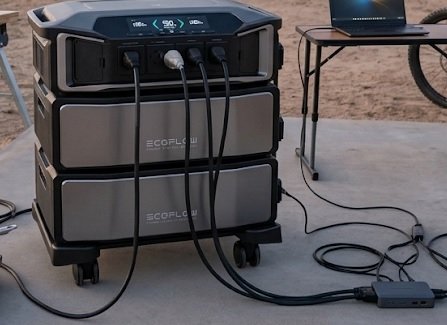
Tesla Powerwall 3 – Best Overall Choice
The Tesla Powerwall 3 offers 13.5 kWh capacity with a 10-year warranty and integrated inverter. Its lithium nickel manganese cobalt chemistry delivers roughly 10–15 years of service, making it the recommended pick for whole-home backup. Ideal for homeowners wanting seamless app monitoring and proven reliability.
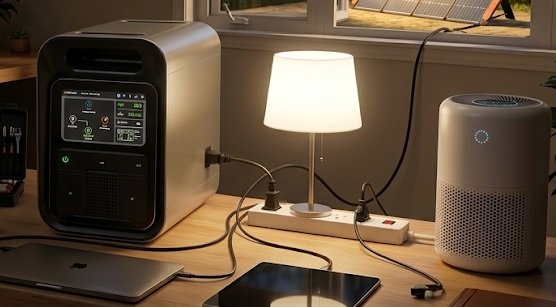
Enphase IQ Battery 5P – Best for Enphase Solar Systems
The Enphase IQ Battery 5P provides 5 kWh usable capacity and a 15-year limited warranty—one of the longest in the industry. Its lithium iron phosphate cells are ideal for daily cycling. Best option for pairing with existing Enphase microinverter setups and modular expansion.
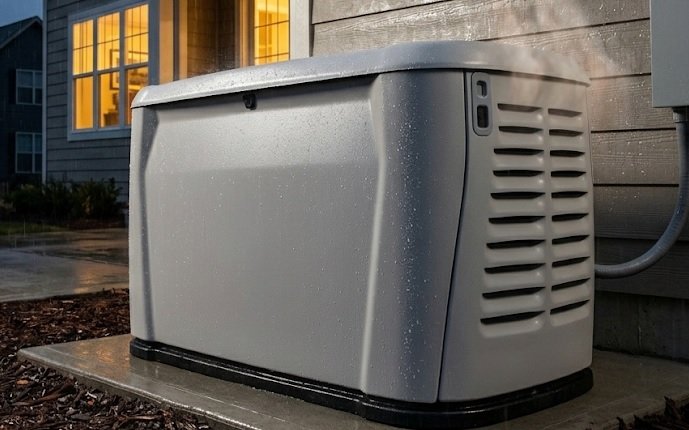
Generac PWRcell 2 – Best for Off-Grid and Backup Power
The Generac PWRcell 2 delivers 9–18 kWh modular capacity with lithium iron phosphate chemistry rated for 4,000+ cycles. It excels in outage-prone regions and off-grid cabins. Recommended for households needing scalable storage and robust generator integration.
How Long Do Solar Batteries Last by Type?
Lifespan varies dramatically by chemistry. Understanding these differences helps you choose the right solar battery storage for your home and budget.
Lithium-Ion Battery Lifespan
Lithium-ion batteries, including NMC and LFP variants, typically last 10 to 15 years. They handle deep discharges well and require almost no maintenance.
- Lithium Iron Phosphate (LFP): 4,000–8,000 cycles, ideal for daily cycling
- Nickel Manganese Cobalt (NMC): 3,000–5,000 cycles, higher energy density
Lead-Acid Battery Lifespan
Lead-acid batteries last only 5 to 7 years and demand regular maintenance. They suit budget-conscious buyers with modest storage needs.
Flow Battery Lifespan
Flow batteries can exceed 20 years but carry high upfront costs. They remain best suited for commercial and utility-scale installations.
Solar Battery Life Comparison Table
| Battery Type | Typical Lifespan | Cycle Rating |
|---|---|---|
| LFP Lithium | 10–15 years | 4,000–8,000 |
| NMC Lithium | 10–12 years | 3,000–5,000 |
| Lead-Acid | 5–7 years | 500–1,000 |
| Flow | 20+ years | 10,000+ |
Quick Summary
- Lithium lasts 2–3x longer than lead-acid.
- LFP offers the best cycle life for daily use.
- Flow batteries win on longevity, lose on price.
What Factors Affect How Long Solar Batteries Last?
Even the best solar battery can underperform if conditions work against it. These key factors determine whether your battery reaches 15 years or fails at 6.
Depth of Discharge (DoD)
Depth of discharge measures how much stored energy you use before recharging. Draining a battery to 100% daily wears it out far faster than shallow cycling.
- Lead-acid: Keep DoD under 50% for best life
- Lithium: Tolerates 80–100% DoD with minimal damage
Temperature and Placement
Extreme heat accelerates chemical degradation inside every battery cell. Most manufacturers recommend installing batteries in temperature-controlled spaces between 60°F and 80°F.
- Garages: Often too hot in summer, too cold in winter
- Basements: Usually ideal, stable year-round temperatures
- Outdoor cabinets: Acceptable only with thermal management
Cycle Count and Usage Patterns
Every full charge-discharge is one cycle, and batteries carry a rated cycle limit. Daily heavy cycling burns through that limit roughly twice as fast as moderate use.
Maintenance and Software Updates
Firmware updates optimize charging algorithms and protect cell health. Lead-acid owners must also check water levels and terminals regularly.
Quick Summary
- Shallow discharges and cool locations extend lifespan.
- Cycle count, not age, usually ends a battery’s life.
- Regular firmware and maintenance checks matter.
How to Extend the Life of Your Solar Battery
Smart habits and correct settings can add years to any solar battery storage system. Follow these proven methods to protect your investment.
1. Optimize Your Depth of Discharge Settings
Program your inverter to avoid full discharges whenever possible. Keeping lithium batteries between 20% and 90% charge dramatically slows degradation.
2. Control the Operating Temperature
Install batteries in shaded, ventilated, or climate-controlled areas. Add thermal management in garages or outdoor enclosures exposed to harsh weather.
3. Reduce Unnecessary Cycling
- Shift heavy loads: Run appliances during peak solar production
- Avoid backup-only drain: Reserve capacity for true outages
- Use time-of-use modes: Discharge only when rates peak
4. Keep Firmware and Monitoring Updated
Manufacturers regularly release updates that improve charging accuracy and cell balancing. Enable app alerts so you catch performance drops early.
5. Schedule Professional Inspections
Annual checks catch loose connections, corrosion, and failing cells before they cause damage. Lead-acid owners should inspect water levels every few months.
6. Size Your System Correctly
An undersized battery cycles too deeply; an oversized one wastes money. Match capacity to your actual daily consumption for optimal longevity.
Quick Summary
- Limit discharge depth and control temperature.
- Update firmware and inspect annually.
- Correct system sizing prevents excess cycling.
Signs Your Solar Battery Is Nearing the End of Its Life
Batteries rarely fail overnight. Watch for these warning signs so you can plan a replacement before a sudden outage catches you off guard.
Reduced Backup Capacity
If your battery once powered the house all night but now drains by 10 p.m., capacity has faded. Losing 20–30% of rated capacity signals it is time to plan an upgrade.
Longer Charging Times
Aging cells accept charge more slowly and hold less energy. Noticeably longer recharge windows, even in strong sunlight, point to internal degradation.
Frequent Errors and Shutdowns
- Inverter fault codes: Repeated alerts about voltage or temperature
- Unexpected shutdowns: System powers down under normal loads
- Overheating: Battery feels unusually hot during standard operation
Physical Warning Signs
Swelling, corrosion, or leaking fluid are serious red flags, especially on lead-acid units. Stop using the battery and call a certified technician immediately.
Rising Electricity Bills
When storage weakens, your home pulls more power from the grid. A steady bill increase without usage changes often traces back to a declining battery.
What to Do When You Spot These Signs
- Check your monitoring app for capacity and cycle data
- Review your warranty terms before spending money
- Schedule a professional load test
- Compare repair costs against replacement value
Quick Summary
- Capacity loss and slow charging signal aging.
- Fault codes and swelling demand urgent attention.
- Test before replacing—warranty may cover it.
Solar Battery Warranty vs. Actual Lifespan: What to Expect
Warranties rarely match real-world performance, and understanding the gap protects you at replacement time. Here is how coverage typically works.
How Solar Battery Warranties Are Structured
Most manufacturers guarantee a minimum capacity percentage over a set period or throughput. Tesla, Enphase, and Generac all use this dual-metric approach.
- Time-based: 10 years is standard, 15 years is premium
- Throughput-based: Measured in megawatt-hours (MWh) delivered
- Capacity floor: Usually 60–70% of original rating
Typical Warranty Terms by Brand
| Brand | Warranty Length | Capacity Guarantee |
|---|---|---|
| Tesla Powerwall 3 | 10 years | 70% |
| Enphase IQ 5P | 15 years | 70% |
| Generac PWRcell 2 | 10 years | 60% |
Why Real Lifespan Often Exceeds the Warranty
Well-maintained lithium batteries frequently outlast their coverage by several years. Warranties represent the guaranteed minimum, not the expected maximum.
What Voids a Solar Battery Warranty
- Improper installation: Non-certified electricians or DIY wiring
- Extreme temperatures: Operating outside specified ranges
- Unauthorized modifications: Third-party firmware or add-ons
- Missed maintenance: Skipped inspections on lead-acid units
Tips for Making a Warranty Claim
- Document performance data from your monitoring app
- Contact the installer first—they handle most claims
- Request a formal capacity test
- Keep all purchase and service records
Quick Summary
- Warranties guarantee minimum capacity, not full life.
- Proper installation and records protect claims.
- Real lifespan often beats warranty coverage.
How Much Does Solar Battery Replacement Cost?
Replacement costs vary widely by chemistry, capacity, and labor. Budgeting ahead prevents surprises when your system finally needs new storage.
Average Replacement Costs by Battery Type
| Battery Type | Cost per kWh | Typical Total |
|---|---|---|
| Lead-Acid | $150–$300 | $3,000–$6,000 |
| LFP Lithium | $500–$800 | $8,000–$15,000 |
| NMC Lithium | $600–$900 | $10,000–$18,000 |
What Drives the Final Price
- Capacity: Larger systems cost more per unit
- Labor: Installation adds $1,000–$3,000
- Inverter compatibility: Upgrades may be required
- Permits and inspections: Vary by location
Is Replacement Worth It?
Compare replacement cost against a new system’s efficiency gains. Newer batteries often deliver more usable capacity at a lower price per kilowatt-hour than the originals.
Ways to Reduce Replacement Costs
- Claim warranty coverage before paying out of pocket
- Reuse existing inverters and wiring when compatible
- Add capacity during replacement to spread labor costs
- Check for federal tax credits and local rebates
Repair vs. Replace: Quick Comparison
- Repair: Cheaper short-term, only for single-cell or BMS faults
- Replace: Better value once capacity drops below 70%
Quick Summary
- Replacement runs $3,000–$18,000 depending on type.
- Labor, permits, and inverters add to the total.
- Warranty claims and tax credits cut costs.
How Solar Battery Lifespan Compares to Solar Panels and Inverters
Your battery is rarely the longest-lasting component in a solar setup. Knowing each part’s lifespan helps you plan replacements and avoid mismatched upgrades.
Solar Panel Lifespan vs. Battery Lifespan
Solar panels typically last 25 to 30 years, far outliving any battery. Most homeowners replace batteries two or three times before panels need attention.
- Panels: 25–30 years with gradual efficiency loss
- Lithium batteries: 10–15 years
- Lead-acid batteries: 5–7 years
Inverter Lifespan and Replacement Timing
String inverters last 10 to 15 years, while microinverters often reach 20–25 years. Ideally, battery and inverter replacements align to reduce labor costs.
Full System Component Lifespan Table
| Component | Typical Lifespan | Replacements in 30 Years |
|---|---|---|
| Solar Panels | 25–30 years | 0–1 |
| String Inverter | 10–15 years | 1–2 |
| Lithium Battery | 10–15 years | 1–2 |
| Lead-Acid Battery | 5–7 years | 4–5 |
Why This Matters for Your Budget
Planning for staggered replacements keeps long-term costs predictable. A battery replacement every decade is normal, not a sign of a faulty system.
Smart Upgrade Timing
- Replace batteries and inverters together when possible
- Upgrade to higher-capacity storage during replacement
- Keep panels untouched unless efficiency drops sharply
Quick Summary
- Panels outlast batteries by roughly 15 years.
- Inverters and batteries often need replacing together.
- Staggered replacements keep costs predictable.
Conclusion: How Long Do Solar Batteries Last?
Solar batteries last 5 to 15 years depending on chemistry, usage, and care. Lithium options deliver the longest service life and best value.
Protect your investment with shallow discharges, stable temperatures, and regular maintenance. These proven habits add years of reliable backup power.
Request quotes from certified installers today and ask about warranty terms. Compare at least three options before deciding.
With the right battery and smart habits, your solar storage will serve your home for over a decade.
Frequently Asked Questions about Solar Battery Lifespan
How many years do solar batteries last on average?
Most solar batteries last 5 to 15 years, with lithium models averaging 10–15 years and lead-acid units lasting 5–7 years. Actual lifespan depends on chemistry, depth of discharge, and operating temperature.
Flow batteries can exceed 20 years but cost significantly more upfront. For most homeowners, modern lithium batteries offer the best balance of longevity and price.
Which solar battery lasts the longest?
Flow batteries last longest at 20+ years, followed by lithium iron phosphate (LFP) at 10–15 years. LFP wins for residential use because it combines long life with lower cost and zero maintenance.
Enphase IQ batteries carry 15-year warranties, the longest among mainstream home storage. Lead-acid remains the shortest-lived option and needs regular upkeep.
Does discharging a solar battery fully shorten its life?
Yes. Deep discharges stress battery cells and accelerate capacity loss. Lead-acid batteries should stay above 50% charge, while lithium tolerates 80–100% depth of discharge with minimal damage.
Programming your inverter to avoid full drains is one of the easiest ways to extend battery lifespan by several years.
How do I know when my solar battery needs replacing?
Watch for reduced backup capacity, longer charging times, frequent fault codes, and rising electricity bills. Once capacity drops below 70% of its original rating, replacement usually makes financial sense.
Physical signs like swelling, corrosion, or leaking demand immediate attention. Schedule a professional load test to confirm before spending money.
What is the best way to extend solar battery life?
Keep batteries in temperature-controlled spaces between 60°F and 80°F. Limit depth of discharge, avoid unnecessary cycling, and install firmware updates promptly.
Annual professional inspections catch small issues early. Correct system sizing also prevents excess cycling that wears batteries out prematurely.
Are solar battery warranties worth it?
Yes. Most warranties guarantee 60–70% capacity for 10–15 years or a set throughput. They protect you if the battery degrades faster than expected under normal use.
Keep purchase records and monitoring data. Improper installation or unauthorized modifications can void coverage, so always use certified installers.
How much does it cost to replace a solar battery?
Replacement costs range from $3,000 to $18,000 depending on type and capacity. Lead-acid is cheapest, while lithium systems cost more but last twice as long.
Labor, permits, and inverter compatibility add to the total. Check warranty coverage and federal tax credits before paying out of pocket.
Can solar batteries last longer than 15 years?
Yes, with ideal conditions. Well-maintained LFP batteries and flow systems regularly exceed 15 years, especially when cycled gently and kept cool.
Warranties represent guaranteed minimums, not maximums. Real-world lifespan often surpasses coverage when homeowners follow best practices.