
Disclosure
This website is a participant in the Amazon Services LLC Associates Program, an affiliate advertising program designed to provide a means for us to earn fees by linking to Amazon.com and affiliated sites.
You can read a 6V battery’s charge level from its voltage with a simple digital multimeter. A fully charged 6V battery rests at about 6.3 to 6.4 volts, while 6.0 volts means roughly half charge. This complete guide shows you exactly how to interpret those numbers.
In the sections below, you’ll learn the full 6V battery voltage chart, how to test your battery at home, and expert tips for spotting a failing cell. Keep reading to master this skill in minutes and keep your battery healthy for years.
Key Takeaways
- 6.4 volts = 100% charged; 6.0 volts = about 50%
- Rest the battery 2-4 hours before testing for accurate readings
- Below 5.25 volts at rest usually means a dead or damaged cell
- Test under load to reveal weak batteries a voltmeter alone can miss
- Recharge at 50% (6.0V) to double your battery’s lifespan
Best Tools for Reading 6V Battery Charge from Voltage
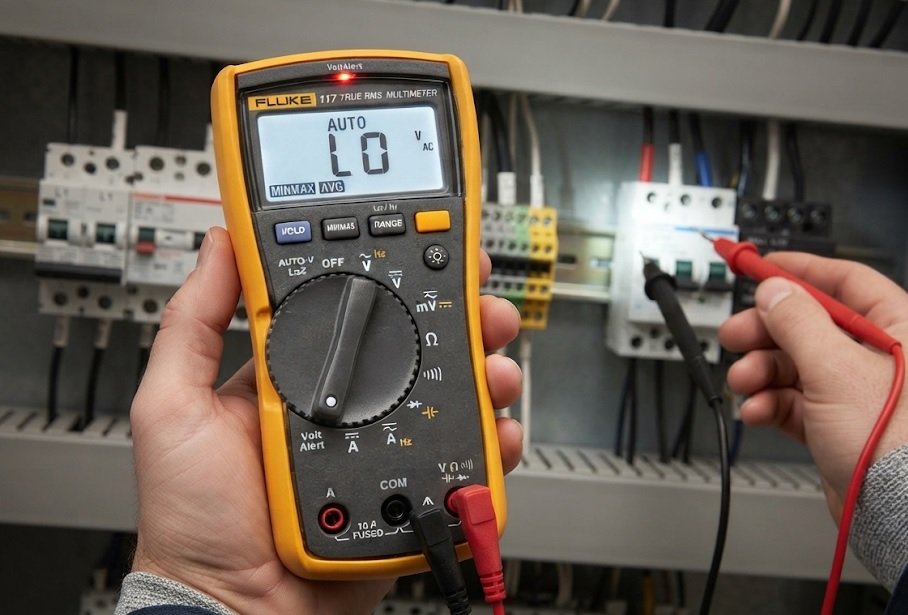
Fluke 117 Digital Multimeter – Best Overall Choice
The Fluke 117 is the recommended tool for accurate 6V battery voltage testing. Its 0.5% DC accuracy delivers precise readings every time. Built-in VoltAlert detects live circuits for added safety. Ideal for professionals who demand reliable, repeatable results when monitoring battery health.
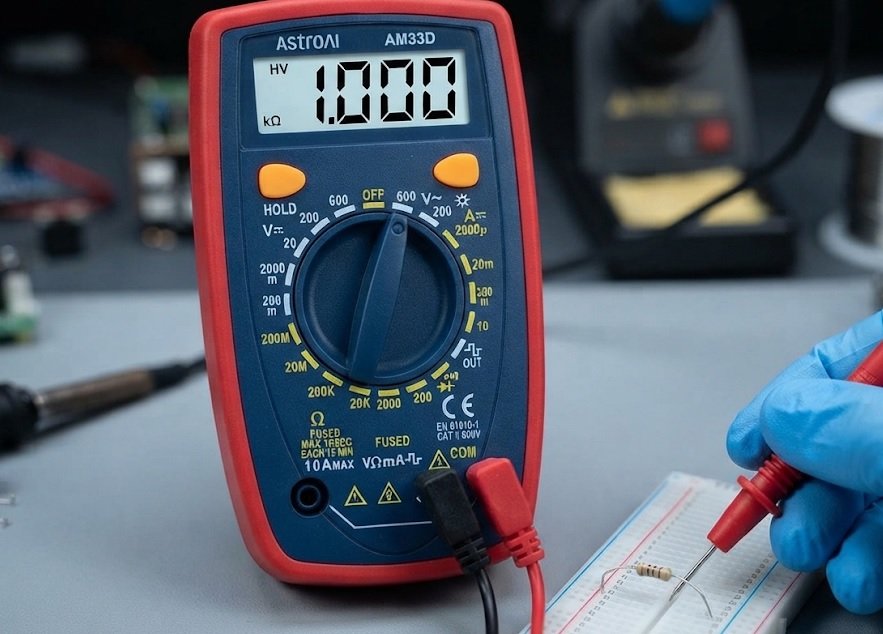
AstroAI AM33D Digital Multimeter – Best Budget Option
The AstroAI AM33D is the best option for beginners and hobbyists on a budget. It measures DC voltage to ±0.5% accuracy and includes a backlit LCD for dim workshops. Affordable, durable, and simple to operate for routine 6V battery checks.
Ancel BA101 Battery Tester – Best for Load Testing
The Ancel BA101 goes beyond voltage by applying a real load test to your 6V battery. It reveals weak cells that a standard voltmeter misses. The large color screen displays voltage, CCA, and internal resistance instantly. Perfect for diagnosing failing batteries before they strand you.

How to Read a 6V Battery’s Charge Level from Voltage
Reading a 6V battery’s charge level from its voltage is quick and requires only a multimeter. The key is knowing what each voltage number means and testing under the right conditions. Follow these steps for accurate results every time.
Step-by-Step Voltage Testing Process
- Rest the battery: Let it sit 2-4 hours after charging or use.
- Set your multimeter: Choose the DC voltage setting (20V range).
- Connect the probes: Red to positive, black to negative.
- Read the display: Note the resting voltage number.
Testing immediately after charging gives inflated readings, so always let the battery settle first.
6V Battery Voltage Chart: What Each Reading Means
Use this reference table to interpret your multimeter reading at a glance.
| Voltage | Charge Level | Status |
|---|---|---|
| 6.4V | 100% | Fully charged |
| 6.2V | 75% | Good |
| 6.0V | 50% | Recharge soon |
| 5.8V | 25% | Low |
| 5.25V | 0% | Dead cell likely |
Why Load Testing Reveals More Than Voltage Alone
A resting voltage reading can look healthy even when a battery is failing. Applying a load exposes weak cells that voltage alone hides.
- Resting voltage: Shows surface charge, not true capacity
- Load voltage: Reveals how the battery performs under real demand
- Voltage drop: A sharp fall under load signals a dying battery
Common Mistakes When Measuring 6V Battery Voltage
Even experienced users misread a 6V battery’s charge level from voltage. Avoiding a few common errors ensures your readings stay accurate and reliable. Here are the pitfalls to watch for.
Testing Too Soon After Charging
A freshly charged battery shows a surface charge that inflates voltage readings. This false high reading can make a weak battery appear healthy. Always rest the battery 2-4 hours before testing for a true resting voltage.
Ignoring Temperature Effects on Voltage
Temperature shifts voltage readings noticeably. Cold batteries read lower, while hot ones read higher than their actual charge state.
- Cold conditions: Voltage drops, mimicking a low charge
- Hot conditions: Voltage rises, hiding a weak battery
- Best practice: Test at room temperature (68-77°F)
Using the Wrong Multimeter Settings
Incorrect settings produce misleading numbers. A wrong range or AC mode gives readings that mean nothing for your battery.
- Select DC voltage, never AC
- Choose the 20V range for 6V batteries
- Verify probe contact on clean terminals
Quick Recap
- Rest batteries before testing
- Test at room temperature
- Use DC voltage on the 20V range
What Different 6V Battery Voltages Tell You About Health
Voltage reveals more than charge level—it signals overall battery health. Learning to interpret specific readings helps you decide whether to recharge, maintain, or replace your battery.
Healthy vs. Failing Voltage Readings
A healthy 6V battery holds a stable resting voltage between charges. A failing one drops quickly or refuses to reach full charge.
- 6.3-6.4V: Excellent health, holds charge well
- 6.0-6.2V: Good condition, normal performance
- Below 5.8V: Possible sulfation or weak cell
- Below 5.25V: Likely dead cell, replace battery
Signs Your 6V Battery Needs Replacement
Some voltage patterns confirm a battery is beyond saving. Watch for these clear warning signs.
- Voltage won’t rise above 6.0V after a full charge
- Readings plunge under load within seconds
- Battery self-discharges overnight below 5.8V
Any of these indicate internal damage that recharging cannot fix.
How to Extend Your 6V Battery’s Lifespan
Proper care keeps voltage readings healthy for years. Small habits make a big difference in battery longevity.
- Recharge at 50% (6.0V) instead of waiting for full drain
- Store fully charged in a cool, dry place
- Check voltage monthly to catch problems early
Quick Recap
- Stable 6.3-6.4V signals a healthy battery
- Readings below 5.25V mean replace it
- Recharge at 50% to extend lifespan
6V Battery Voltage Under Load vs. at Rest
A resting voltage reading only tells part of the story. To truly judge a 6V battery’s charge level and health, you must compare its voltage at rest against its voltage under load.
Why Resting Voltage Can Be Misleading
Resting voltage reflects the battery’s surface charge, not its true capacity. A worn battery can still show a healthy 6.3V at rest while failing under demand. This is why load testing is essential for accurate diagnosis.
How to Perform a Load Test on a 6V Battery
Load testing applies real demand to expose weak cells. Follow these steps for reliable results.
- Record the resting voltage first
- Apply a load equal to half the battery’s rated capacity
- Hold the load for 15 seconds
- Read the voltage while still under load
A healthy battery stays above 5.5V during the test.
Interpreting Load Test Results
The voltage drop under load reveals the battery’s real condition. Use this table to interpret your results.
| Load Voltage | Condition |
|---|---|
| Above 5.7V | Healthy |
| 5.5-5.7V | Acceptable |
| 5.0-5.5V | Weak, replace soon |
| Below 5.0V | Failed, replace now |
Quick Recap
- Resting voltage hides weak cells
- Load test for 15 seconds at half capacity
- Stay above 5.5V under load for a healthy battery
Charging Voltage: What to Expect While Recharging a 6V Battery
Voltage behaves differently while a 6V battery charges. Understanding charging voltage helps you confirm your charger works correctly and prevents overcharging damage.
Normal Charging Voltage Range for 6V Batteries
A healthy charger pushes voltage above the battery’s resting level to force current in. Expect these readings during a normal charge cycle.
- 6.9-7.2V: Standard charging voltage for most 6V batteries
- 7.2-7.5V: Absorption stage, near full charge
- 6.4V: Float/maintenance voltage once fully charged
Readings above 7.5V suggest an overcharging charger that needs replacing.
How to Tell When a 6V Battery Is Fully Charged
Charging voltage alone doesn’t confirm a full charge. Combine these signals for an accurate verdict.
- Charger voltage drops to float level (around 6.4V)
- Resting voltage holds at 6.3-6.4V after 2 hours
- Specific gravity reads 1.265 on a hydrometer (flooded types)
Overcharging vs. Undercharging Symptoms
Both extremes shorten battery life. Spot the warning signs early to protect your battery.
| Condition | Voltage Sign | Risk |
|---|---|---|
| Overcharging | Above 7.5V while charging | Water loss, grid corrosion |
| Undercharging | Never reaches 7.0V | Sulfation, capacity loss |
Quick Recap
- Charging voltage runs 6.9-7.2V normally
- Float voltage settles near 6.4V when full
- Above 7.5V means overcharging
6V Battery Voltage by Type: Lead-Acid, AGM, and Lithium
Not all 6V batteries read the same voltage at full charge. Battery chemistry changes the numbers, so you must match your readings to the correct type.
Voltage Chart by Battery Chemistry
Each chemistry has its own full-charge and cutoff voltages. Compare your battery against the right column.
| Battery Type | 100% Charge | 50% Charge | Replace Below |
|---|---|---|---|
| Flooded Lead-Acid | 6.37V | 6.10V | 5.25V |
| AGM / Gel | 6.40V | 6.15V | 5.30V |
| LiFePO4 (Lithium) | 6.70V | 6.30V | 5.00V |
Using a lead-acid chart on a lithium battery gives false conclusions every time.
Why Lithium 6V Batteries Read Higher
Lithium iron phosphate (LiFePO4) batteries rest at higher voltages than lead-acid. A full 6V lithium pack reads about 6.7V, not 6.4V. Their voltage also stays flatter through the discharge cycle.
- Flatter curve: Voltage barely drops until nearly empty
- Higher cutoff: Damage occurs below 5.0V
- No surface charge: Readings stabilize almost immediately
Matching Your Charger to Battery Type
Wrong charger voltages ruin batteries fast. Always confirm compatibility before charging.
- Check the battery label for chemistry type
- Set charger to the matching charge profile
- Verify float voltage stays within the safe range
Quick Recap
- Full charge varies by chemistry: 6.37V to 6.70V
- Lithium reads higher and stays flatter
- Always match charger to battery type
Frequently Misread Voltage Scenarios and How to Handle Them
Some 6V battery voltage readings confuse even careful testers. Below are the most common puzzling scenarios and exactly how to interpret them correctly.
Battery Reads 6.4V but Won’t Hold a Charge
A high resting voltage with poor runtime points to surface charge masking a weak battery. The reading looks perfect, but capacity has faded. Perform a load test to confirm—if voltage collapses quickly, the battery is worn out.
Voltage Bounces Around During Testing
Unstable readings usually signal a connection problem, not a battery fault. Check these causes before blaming the battery.
- Loose probes: Reseat them firmly on clean terminals
- Corroded terminals: Clean with a wire brush first
- Failing multimeter battery: Replace the meter’s own battery
One Cell Reads Lower Than the Rest
In multi-cell 6V batteries, a single weak cell drags the whole pack down. Measure individual cells if accessible, or watch for these patterns.
- Full charge never exceeds 6.0V
- Voltage drops sharply under light load
- Battery heats up abnormally during charging
These signs confirm internal cell failure that recharging cannot repair.
Quick Recap
- High resting voltage plus short runtime means a worn battery
- Unstable readings usually mean bad connections
- One weak cell limits the entire pack
Conclusion: Master Reading Your 6V Battery’s Charge Level from Voltage
Reading your 6V battery’s charge level from its voltage is a simple skill with powerful results. You now have the charts, testing steps, and load-testing methods to diagnose any battery confidently.
Remember the golden rule: rest the battery, then test under load. This proven method reveals the truth every time.
Grab your multimeter today and check your battery’s voltage. A two-minute test can save you from a costly surprise.
With these expert tips, you’ll keep every 6V battery healthy for years to come.
Frequently Asked Questions About Reading a 6V Battery’s Charge Level from Voltage
What voltage should a fully charged 6V battery read?
A fully charged 6V battery reads about 6.3 to 6.4 volts at rest. Lithium 6V batteries read higher, around 6.7 volts.
Always let the battery rest 2-4 hours after charging before testing. Testing immediately gives inflated surface-charge readings that mislead you.
How do I test my 6V battery’s charge level with a multimeter?
Set your multimeter to DC voltage on the 20V range. Connect the red probe to positive and black to negative, then read the display.
For accurate results, rest the battery first and ensure terminals are clean. Compare your reading against a 6V battery voltage chart to determine charge percentage.
What voltage is too low for a 6V battery?
Below 5.25 volts at rest, a 6V battery is effectively dead. This usually indicates a failed cell that recharging cannot fix.
Readings between 5.8V and 6.0V mean a low charge—recharge soon. Consistent readings below 5.8V suggest sulfation or internal damage requiring replacement.
Why does my 6V battery show full voltage but won’t hold a charge?
This points to surface charge masking a worn battery. Resting voltage looks healthy while actual capacity has faded.
Perform a load test to confirm. If voltage collapses quickly under load, the battery is worn out and should be replaced, regardless of its resting reading.
How long should a 6V battery last on a full charge?
Runtime depends on capacity and load. A healthy 6V battery at 100% charge (6.4V) delivers its full rated amp-hours.
A battery dropping from 6.4V to 6.0V unusually fast signals reduced capacity. Compare runtime against the battery’s original specification to judge health.
Can I check a 6V battery’s charge without a multimeter?
A hydrometer measures specific gravity in flooded lead-acid batteries. A reading of 1.265 indicates a full charge.
For sealed AGM or lithium batteries, a multimeter is the best option. Hydrometers cannot test sealed designs, so voltage testing remains the universal method.
Does temperature affect 6V battery voltage readings?
Yes, temperature shifts readings noticeably. Cold batteries read lower, while hot ones read higher than their true charge state.
Test at room temperature (68-77°F) for accurate results. Extreme temperatures can make a weak battery look healthy or a good battery look drained.
What is the best way to keep my 6V battery at optimal voltage?
Recharge at 50% charge (6.0V) instead of waiting for a full drain. Store the battery fully charged in a cool, dry place.
Check voltage monthly with a multimeter to catch problems early. These simple habits dramatically extend your battery’s lifespan.