
Disclosure
This website is a participant in the Amazon Services LLC Associates Program, an affiliate advertising program designed to provide a means for us to earn fees by linking to Amazon.com and affiliated sites.
A lead-acid battery loses capacity in cold weather because low temperatures slow the chemical reactions inside it and thicken the electrolyte. This reduces available power by 20–50%, leaving you with weak cranking and shorter runtime.
This complete guide explains the science behind cold-weather capacity loss, reveals expert tips to protect your battery, and shares proven methods to restore performance. Keep reading to keep your battery reliable all winter.
Key Takeaways
- 50% capacity loss occurs at 0°F as chemical reactions slow and electrolyte thickens.
- Cold cranking amps (CCA) ratings measure real starting power in freezing conditions.
- Insulation and trickle chargers keep batteries warm and fully charged.
- Never jump-start a frozen battery — it can crack or explode.
- Warm batteries recharge faster and recover capacity once temperatures rise.
Best Products for Cold-Weather Battery Protection – Detailed Comparison
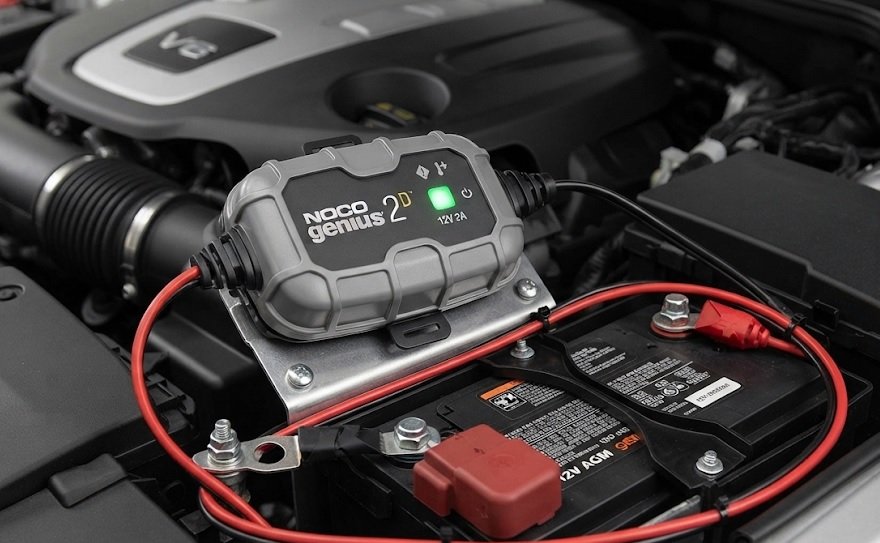
NOCO GENIUS2 – Best Overall Choice
The NOCO GENIUS2 is a 2-amp smart trickle charger recommended for maintaining lead-acid batteries in freezing temperatures. Its automatic temperature compensation adjusts charging voltage based on ambient conditions, preventing undercharge and sulfation. Ideal for cars, motorcycles, and lawn tractors stored outdoors during winter months.
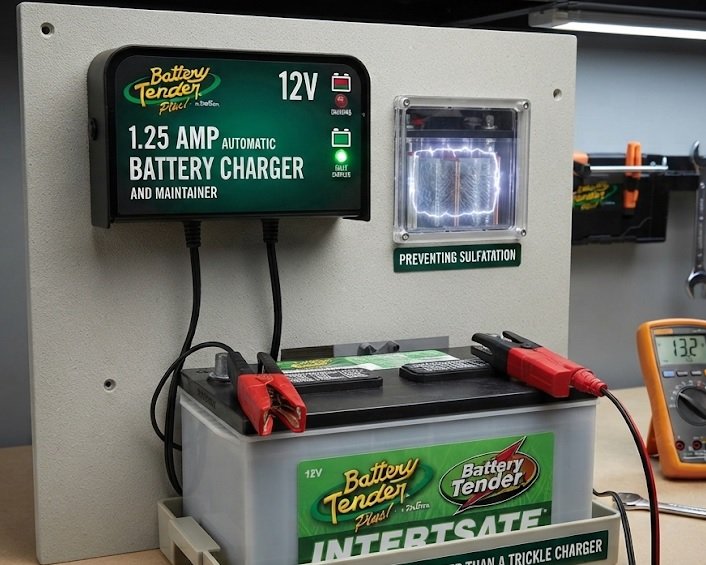
Battery Tender 021-0128 Plus – Best Value Option
The Battery Tender 021-0128 Plus delivers 1.25 amps with a 12-foot output cord for flexible placement. This best option includes spark-proof and reverse-polarity protection, making it safe for beginners. Ideal for maintaining charge on rarely driven vehicles throughout cold seasons.
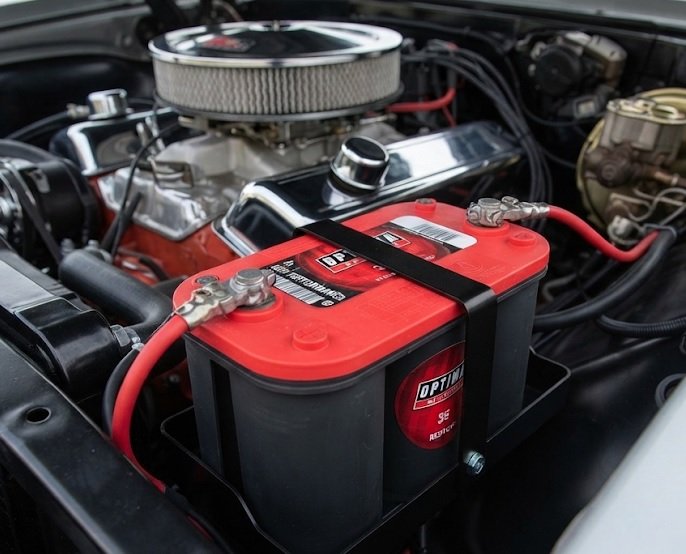
Optima RedTop 35 – Best AGM Battery for Cold Climates
The Optima RedTop 35 is a spiral-wound AGM battery with 720 cold cranking amps, delivering strong starts at 0°F and below. Its sealed design resists vibration and freeze damage, making it ideal for trucks and SUVs in harsh winter regions.
How Cold Weather Affects Lead-Acid Battery Chemistry
Cold temperatures disrupt the electrochemical process that generates power inside a lead-acid battery. Understanding this science explains why your battery struggles on freezing mornings.
The Chemical Reaction Slows Down
A lead-acid battery produces electricity when sulfuric acid reacts with lead plates. At 32°F, this reaction slows significantly, reducing available current.
- At 80°F: Battery delivers 100% rated capacity
- At 32°F: Capacity drops to roughly 65%
- At 0°F: Capacity falls to about 50%
Electrolyte Thickens and Resistance Rises
The liquid electrolyte inside your battery thickens as temperatures drop. This increased viscosity raises internal resistance, making it harder for current to flow to the starter.
Thicker electrolyte also slows ion movement between plates. The battery must work harder to deliver the same cranking power.
Why Cold Cranking Amps (CCA) Matter Most
Cold Cranking Amps (CCA) measure how much current a battery delivers at 0°F for 30 seconds. This rating predicts real-world winter starting performance better than reserve capacity.
Quick Summary
- Chemical reactions slow by roughly 50% at 0°F
- Thickened electrolyte increases internal resistance
- Higher CCA ratings mean better cold-weather starts
These chemical changes explain the power loss, but the damage doesn’t stop there. Next, let’s examine why cold weather permanently harms battery health.
Why Cold Weather Permanently Damages Battery Health
Capacity loss isn’t always temporary. Prolonged cold exposure causes lasting damage that shortens your battery’s overall lifespan.
Sulfation Accelerates in Freezing Temperatures
When a battery sits partially discharged in cold weather, lead sulfate crystals harden on the plates. These crystals block the chemical reaction and reduce capacity permanently.
- Warm conditions: Soft sulfate dissolves during recharging
- Cold conditions: Hard crystals resist recharging
- Result: Irreversible capacity loss over time
Electrolyte Can Freeze and Crack the Case
A fully charged battery freezes around -76°F, but a discharged one freezes near 32°F. Frozen electrolyte expands, cracking plates and the battery case.
Once the case cracks, the battery leaks and fails completely. This damage is permanent and requires full replacement.
Charging Becomes Harder in the Cold
Cold batteries accept charge more slowly than warm ones. An alternator may never fully recharge a frozen battery during short winter drives.
| Temperature | Capacity | Recharge Speed |
|---|---|---|
| 80°F | 100% | Fast |
| 32°F | 65% | Moderate |
| 0°F | 50% | Slow |
Quick Summary
- Sulfation hardens permanently in cold, discharged batteries
- Discharged batteries freeze near 32°F and crack
- Cold slows recharging, risking chronic undercharge
Now that you understand the damage, let’s explore practical steps to protect your battery this winter.
How to Protect Your Lead-Acid Battery in Cold Weather
Prevention is far cheaper than replacement. These proven methods keep your battery charged and warm when temperatures plummet.
Keep Your Battery Fully Charged
A fully charged battery resists freezing and sulfation far better than a discharged one. Follow these steps to maintain optimal charge:
- Test voltage monthly — a healthy battery reads 12.6V or higher
- Recharge at 12.4V — don’t wait for slow cranking
- Use a trickle charger for vehicles parked long-term
Insulate and Warm Your Battery
Battery insulation blankets and heated wraps keep internal temperatures higher. Even a few extra degrees preserve chemical reaction speed and cranking power.
- Insulation blankets: Trap heat from engine bay
- Heated battery wraps: Actively warm in extreme cold
- Garage parking: Simplest protection available
Choose the Right Battery for Cold Climates
When replacing a battery, prioritize high CCA ratings and AGM construction. These handle freezing conditions better than standard flooded batteries.
| Protection Method | Cost | Effectiveness |
|---|---|---|
| Trickle charger | $30–$80 | High |
| Insulation blanket | $20–$50 | Moderate |
| Heated wrap | $50–$150 | High |
| AGM battery upgrade | $150–$350 | Very High |
Quick Summary
- Full charge prevents freezing and sulfation
- Insulation and heated wraps preserve warmth
- High-CCA AGM batteries excel in cold climates
Understanding these protection strategies helps you avoid winter breakdowns. Let’s now look at warning signs that your battery is already failing.
Warning Signs Your Lead-Acid Battery Is Failing in Winter
Cold weather exposes weak batteries that performed fine all summer. Recognizing early warning signs helps you replace a dying battery before it strands you.
Slow Engine Cranking and Dim Lights
A sluggish starter motor is the most common sign of reduced cold-weather capacity. If your engine cranks slowly on cold mornings, your battery is struggling.
- Slow cranking: Starter turns over weakly
- Dim headlights: Lights fade at idle
- Clicking sounds: Insufficient current to starter
Dashboard Warning Lights and Electrical Issues
Modern vehicles display a battery warning light when voltage drops. Other electrical symptoms often appear alongside it.
- Flickering interior lights
- Radio or clock resetting
- Power windows moving slowly
Physical Signs of Cold Damage
Inspect your battery for visible damage before winter arrives. Physical symptoms often predict imminent failure.
- Swollen or bulging case: Indicates freezing or overcharging
- White crusty deposits: Corrosion on terminals
- Cracked casing: Leaking from freeze expansion
How to Test Your Battery at Home
A simple multimeter test reveals battery health in seconds. Follow these steps:
- Turn off the engine and wait 30 minutes
- Connect the multimeter to both terminals
- Read the voltage — 12.6V means healthy, below 12.4V means recharge
Quick Summary
- Slow cranking and dim lights signal low capacity
- Warning lights and electrical glitches indicate failure
- Swollen or cracked cases require immediate replacement
Spotting these signs early saves money and prevents winter breakdowns. Next, let’s compare how different battery types handle cold weather.
Flooded vs AGM vs Gel: Cold Weather Performance Compared
Not all lead-acid batteries handle freezing temperatures equally. Battery construction significantly affects how much capacity you retain in winter.
Flooded Lead-Acid Batteries in Cold Weather
Flooded batteries use liquid electrolyte and remain the most affordable option. However, they lose capacity fastest in cold and require regular water checks.
- Capacity at 0°F: Drops to roughly 50%
- Freezing risk: High when discharged
- Maintenance: Frequent watering needed
AGM Batteries: The Cold-Weather Leader
Absorbent Glass Mat (AGM) batteries hold electrolyte in fiberglass mats. This sealed design resists freezing and delivers stronger cold cranking amps.
- Capacity at 0°F: Retains 65–70%
- Freezing risk: Low, even when discharged
- Maintenance: Completely maintenance-free
Gel Batteries: Moderate Cold Performance
Gel batteries use thickened electrolyte that resists freezing but charges slowly in cold. They suit deep-cycle applications more than starting duties.
| Battery Type | Capacity at 0°F | Freeze Resistance | Cost |
|---|---|---|---|
| Flooded | ~50% | Low | $ |
| AGM | ~65–70% | High | $$$ |
| Gel | ~60% | Moderate | $$ |
Which Battery Type Should You Choose?
For cold climates, AGM batteries offer the best balance of performance, durability, and maintenance-free operation. Flooded batteries work if budget is tight, while gel suits specialized deep-cycle needs.
Quick Summary
- AGM batteries retain the most capacity in cold
- Flooded batteries are cheapest but lose power fastest
- Gel batteries suit deep-cycle use, not cold starting
Choosing the right battery type dramatically improves winter reliability. Let’s wrap up with answers to your most common questions.
Can a Cold Battery Recover Its Lost Capacity?
Whether your battery recovers depends on the type of capacity loss. Temporary losses reverse with warmth, but permanent damage requires replacement.
Temporary Capacity Loss Recovers with Warmth
Capacity lost purely to cold temperatures returns once the battery warms up. The chemical reactions speed up again, and full power becomes available.
- Park in a warm garage overnight to restore capacity
- Drive longer distances to let the alternator recharge fully
- Use a charger indoors before reinstalling the battery
Permanent Damage Cannot Be Reversed
Sulfation and cracked cases cause irreversible damage. No charger or additive restores a battery once hard sulfate crystals form on the plates.
- Hard sulfation: Blocks chemical reactions permanently
- Frozen electrolyte: Cracks plates and casing
- Corroded grids: Destroys current flow
How to Restore a Cold Battery Safely
Follow these steps to recover a chilled battery without causing damage:
- Move the battery indoors and let it reach room temperature
- Inspect for cracks or swelling before charging
- Charge slowly with a smart charger at low amps
- Test voltage after charging — 12.6V means recovery succeeded
Never charge a frozen battery — it can explode. Always thaw it completely first.
Quick Summary
- Cold-only capacity loss reverses with warmth
- Sulfation and cracking cause permanent damage
- Thaw frozen batteries before charging to avoid explosions
Recovery is possible in many cases, but prevention remains the smartest strategy. Here’s what to remember before next winter.
Frequently Asked Questions About Lead-Acid Batteries in Cold Weather
These quick answers address the most common questions drivers ask about cold-weather battery performance.
At What Temperature Does a Lead-Acid Battery Lose Capacity?
Capacity begins dropping below 32°F and falls sharply as temperatures decline. At 0°F, expect roughly half your rated capacity.
Can a Frozen Battery Be Saved?
Sometimes, but only if the case and plates remain intact. Thaw it indoors first, then charge slowly and test voltage.
- Intact case: May recover after slow charging
- Cracked case: Must be replaced immediately
- No voltage after charging: Battery is dead
Is a Higher CCA Rating Worth the Extra Cost?
Yes, especially in cold climates. Higher CCA ratings deliver stronger starting power when temperatures plunge below freezing.
How Often Should I Charge My Battery in Winter?
Top up your battery monthly or whenever voltage drops below 12.4V. Trickle chargers make this effortless for stored vehicles.
Do Battery Blankets Really Help?
Yes. Insulation blankets and heated wraps keep internal temperatures higher, preserving capacity and cranking power on freezing mornings.
How Long Do Lead-Acid Batteries Last in Cold Climates?
Expect 3–5 years in cold regions versus 5–7 years in mild climates. Cold stress accelerates wear, especially with chronic undercharging.
| Question | Quick Answer |
|---|---|
| Capacity loss starts at | 32°F |
| Capacity at 0°F | ~50% |
| Minimum healthy voltage | 12.4V |
| Typical lifespan (cold) | 3–5 years |
Quick Summary
- Capacity drops below 32°F and halves near 0°F
- Frozen batteries recover only if undamaged
- Monthly charging prevents winter failures
These answers cover the essentials, but a few final thoughts will help you prepare for next winter.
Conclusion: Protecting Your Lead-Acid Battery in Cold Weather
A lead-acid battery loses capacity in cold weather because chemical reactions slow and electrolyte thickens. You now know the causes, warning signs, and proven protection methods.
The key takeaway is simple: keep your battery fully charged and warm whenever possible. Prevention beats replacement every winter.
Test your battery voltage today and invest in a trickle charger before temperatures drop. Small steps now prevent costly breakdowns later.
With the right care, your battery will deliver reliable starts all season long.
Frequently Asked Questions About Lead-Acid Batteries in Cold Weather
What is the best way to store a lead-acid battery over winter?
Store your battery indoors in a cool, dry place and connect it to a smart trickle charger. This prevents self-discharge, sulfation, and freezing damage during long storage periods.
If indoor storage isn’t possible, disconnect the negative terminal and insulate the battery. Check voltage monthly and recharge whenever it drops below 12.4V.
How much capacity does a lead-acid battery lose at 0°F?
A lead-acid battery typically loses about 50% of its rated capacity at 0°F. Chemical reactions slow dramatically, and thickened electrolyte increases internal resistance.
This is why cold cranking amps (CCA) matter more than reserve capacity in winter. Always choose a battery with a CCA rating suited to your climate.
Why does my car battery die overnight in cold weather?
Cold temperatures reduce capacity while your engine demands more starting power. A weak or partially discharged battery simply cannot meet that combined demand.
Parasitic drains from alarms or electronics worsen the problem. Test for voltage drops and consider a battery load test before winter arrives.
Can I jump-start a frozen lead-acid battery?
Never jump-start a frozen battery. Charging a frozen battery can cause the case to crack or explode, spraying acid and debris.
Move the battery indoors and let it thaw completely first. Inspect for cracks, then charge slowly with a smart charger before attempting a start.
Which is better for cold weather: AGM or flooded batteries?
AGM batteries outperform flooded batteries in cold weather, retaining roughly 65–70% capacity at 0°F versus 50%. Their sealed design also resists freezing better.
Flooded batteries cost less but require more maintenance. For harsh winters, AGM is the recommended choice despite the higher price.
How do I test if my battery is still good in winter?
Use a multimeter to check resting voltage after the engine sits for 30 minutes. A healthy battery reads 12.6V or higher; anything below 12.4V needs recharging.
For a complete picture, visit an auto shop for a load test. This measures real cranking performance under cold conditions.
Does driving my car recharge the battery in freezing temperatures?
Driving does recharge the battery, but cold slows the charging process significantly. Short trips may not replace the energy used during starting.
Drive at least 30 minutes or use an external charger regularly. This ensures your battery stays fully charged through winter.
How long does a lead-acid battery last in cold climates?
Expect 3–5 years in cold climates compared to 5–7 years in mild regions. Freezing temperatures and sulfation accelerate wear.
Regular charging, insulation, and voltage checks extend lifespan considerably. Replace any battery showing swelling, cracks, or chronic low voltage.