
Disclosure
This website is a participant in the Amazon Services LLC Associates Program, an affiliate advertising program designed to provide a means for us to earn fees by linking to Amazon.com and affiliated sites.
A battery bank stores electrical energy for later use, powering homes, RVs, and off-grid systems. It delivers reliable backup power, cuts energy costs, and keeps your devices running during outages.
This complete guide covers battery bank basics, essential components, wiring methods, and expert tips for beginners. Keep reading to learn how to build a safe, efficient battery bank setup.
Key Takeaways
- 3 battery types dominate: lead-acid, lithium, and saltwater.
- Match battery voltage to your inverter before wiring anything.
- Parallel connections boost capacity; series connections raise voltage.
- Always install a fuse within 18 inches of the battery terminal.
- Lithium batteries last 5-10x longer but cost 2-3x more upfront.
Best Battery Banks for Home Backup Power – Detailed Comparison
Renogy Deep Cycle AGM 12V 100Ah – Best Overall Choice
The Renogy AGM 100Ah is a maintenance-free, spill-proof battery recommended for beginners. It delivers 1,100+ charge cycles at 50% depth of discharge and handles 12V home backup, RV, and solar setups. This best option balances affordability with proven reliability for first-time builders.

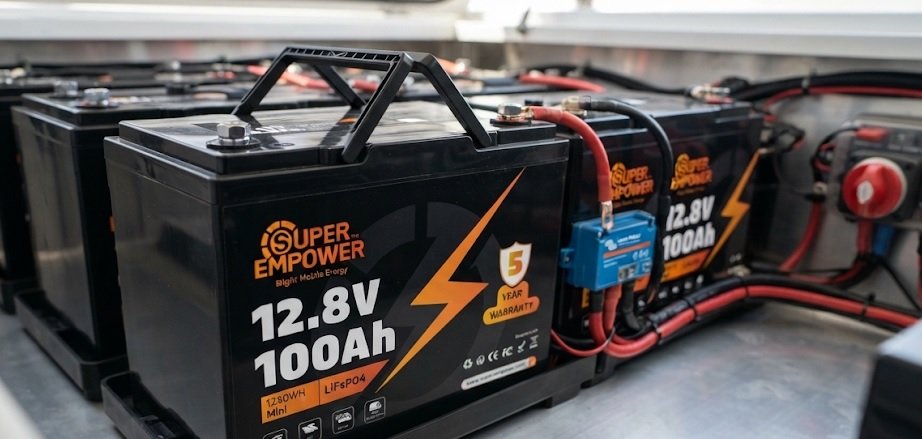
Battle Born BB10012 LiFePO4 12V 100Ah – Best Premium Option
The Battle Born BB10012 offers 3,000-5,000 charge cycles and weighs only 29 lbs. Its built-in BMS protects against overcharge and overheating, making it ideal for serious off-grid systems. It costs more upfront but lasts years longer than lead-acid alternatives.
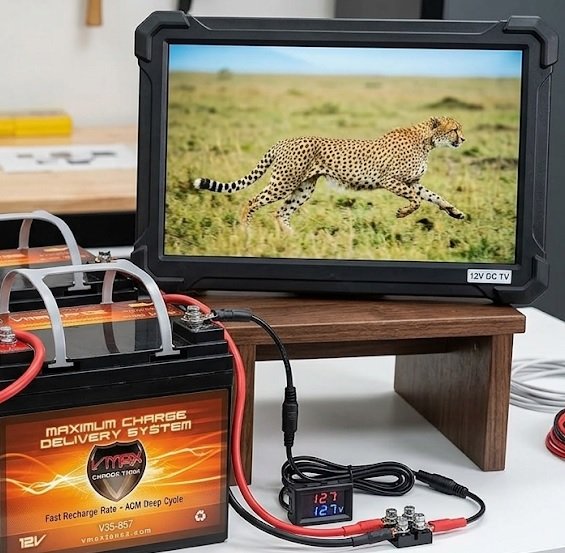
VMAXTANKS VMAX857 AGM 12V 85Ah – Best Budget Pick
The VMAX857 provides solid 85Ah capacity at a lower price point, ideal for small solar projects and backup lighting. It ships ready to install, requires no watering, and handles moderate loads well. A smart choice for testing your first battery bank setup.
How to Set Up a Battery Bank: Step-by-Step Beginner Guide
Building a battery bank requires careful planning before you connect a single cable. Follow these proven steps to create a safe, efficient system that meets your power needs.
Step 1: Calculate Your Power Requirements
Start by listing every device you plan to power and its wattage. Multiply watts by hours used daily to find total watt-hours needed.
- Daily consumption: Add all device watt-hours together
- Backup days: Multiply by 2-3 days for autonomy
- Depth of discharge: Never drain lead-acid below 50%
Step 2: Choose Your Battery Type and Voltage
Match your battery bank voltage to your inverter and charge controller ratings. Most home systems use 12V, 24V, or 48V configurations.
| Battery Type | Cycle Life | Cost | Best For |
|---|---|---|---|
| Lead-Acid AGM | 500-1,100 | Low | Budget setups |
| Lithium LiFePO4 | 3,000-5,000 | High | Long-term use |
| Saltwater | 3,000+ | Medium | Eco-friendly builds |
Step 3: Wire Batteries in Series or Parallel
Wiring determines your final voltage and capacity. Choose the method that matches your equipment.
- Series: Voltage adds up, capacity stays the same
- Parallel: Capacity adds up, voltage stays the same
- Series-parallel: Increases both voltage and capacity
Quick Tip
Always use identical batteries of the same age, type, and capacity within one bank. Mixing brands causes uneven charging and shortens lifespan.
Essential Battery Bank Components and Safety Tips for Beginners
A safe battery bank setup needs more than just batteries. These supporting components protect your investment and prevent dangerous failures.
Must-Have Components for Any Battery Bank
Every system requires proper protection and monitoring equipment. Skipping these parts risks fire, shock, or premature battery death.
- Charge controller: Regulates incoming solar or generator power
- Inverter: Converts DC battery power to AC household electricity
- Fuses and breakers: Stop runaway current during faults
- Battery monitor: Tracks state of charge and voltage
- Battery cables: Use thick gauge wire for high-current loads
Critical Safety Rules You Must Never Ignore
Battery banks store enormous energy and demand respect. Follow these rules to avoid injury or equipment damage.
- Ventilate lead-acid banks: They release explosive hydrogen gas while charging
- Install fuses close to terminals: Keep within 18 inches of the battery
- Wear safety glasses: Acid splashes cause permanent eye damage
- Torque connections properly: Loose terminals create heat and fire risk
Common Beginner Mistakes to Avoid
New builders often repeat the same costly errors. Watch for these pitfalls before wiring your first bank.
- Mixing old and new batteries: Causes uneven charging and early failure
- Undersizing cables: Thin wire overheats under heavy loads
- Ignoring temperature: Cold reduces capacity; heat shortens lifespan
Safety First
Always disconnect the negative terminal first when working on your bank, and reconnect it last. This simple habit prevents accidental short circuits.
Battery Bank Maintenance, Lifespan, and Cost Expectations
Proper maintenance dramatically extends battery bank life. Understanding costs and care routines helps beginners budget realistically and avoid early replacements.
How Long Does a Battery Bank Last?
Lifespan depends heavily on battery chemistry, depth of discharge, and temperature. Realistic expectations prevent disappointment.
- Lead-acid AGM: 3-5 years with 50% discharge cycles
- Lithium LiFePO4: 8-12 years with 80% discharge cycles
- Saltwater: 8-10 years with minimal maintenance
Simple Maintenance Habits That Add Years
Small routines prevent big problems. Most battery failures trace back to neglect rather than manufacturing defects.
- Check voltage monthly: Catch imbalances before they spread
- Clean terminals quarterly: Remove corrosion with baking soda paste
- Avoid deep discharges: Recharge promptly after heavy use
- Store at 50% charge: Ideal for unused batteries in cool, dry spots
Real Cost Breakdown for Beginners
Budget planning requires more than battery prices alone. Factor in cables, fuses, controllers, and replacement timelines.
| System Size | Lead-Acid Cost | Lithium Cost | 10-Year Total |
|---|---|---|---|
| Small (100Ah) | $150-$300 | $700-$900 | Lead-acid wins |
| Medium (400Ah) | $600-$1,200 | $2,800-$3,600 | Lithium wins |
| Large (800Ah+) | $1,200-$2,400 | $5,600-$7,200 | Lithium wins |
Cost Insight
Lithium costs more upfront but often wins long-term. Lead-acid suits tight budgets and short-term projects.
Choosing the Right Battery Bank for Your Specific Needs
Different applications demand different battery bank configurations. Match your setup to your actual use case before buying anything.
Best Battery Banks for Common Applications
Your intended use determines the ideal voltage, capacity, and chemistry. Consider these proven configurations.
- RV and van life: 200-400Ah lithium at 12V for daily boondocking
- Home backup: 48V lithium bank with 10-20kWh capacity
- Small solar shed: 100-200Ah AGM at 12V keeps costs low
- Off-grid cabin: 24V or 48V system with 400Ah+ capacity
Key Factors That Determine Your Ideal Setup
Answer these questions honestly before purchasing. Rushing this step leads to undersized or oversized systems.
- Peak load: What’s the highest wattage drawn at once?
- Daily usage: How many kWh do you consume each day?
- Autonomy days: How long must power last without charging?
- Budget: What can you spend upfront versus over time?
- Space: Where will the bank sit, and is it ventilated?
Quick Comparison: Which Setup Fits You?
Use this table to narrow your options fast based on lifestyle and budget.
| Use Case | Recommended Voltage | Best Chemistry | Typical Capacity |
|---|---|---|---|
| Weekend RV trips | 12V | AGM | 100-200Ah |
| Full-time van life | 12V | LiFePO4 | 200-400Ah |
| Home backup | 48V | LiFePO4 | 10-20kWh |
| Off-grid cabin | 24V-48V | LiFePO4 | 400Ah+ |
Pro Tip
Size your bank 20-30% larger than calculated needs. This buffer handles unexpected loads and extends battery life by reducing discharge depth.
Charging Methods and Monitoring Your Battery Bank
Your battery bank only performs as well as its charging system. Pair the right charger with proper monitoring to maximize performance and lifespan.
Best Charging Options for Beginner Setups
Choose a charging source that matches your location and budget. Many builders combine two or more methods for redundancy.
- Solar panels: Silent, free energy ideal for off-grid and RV use
- Grid-powered chargers: Fastest option for home backup banks
- Alternators: Charge while driving in van and RV builds
- Wind turbines: Useful in windy rural locations as a supplement
- Generators: Reliable backup during extended cloudy periods
Understanding Charge Controller Types
The charge controller prevents overcharging and manages current flow. Choosing the wrong type wastes energy or damages batteries.
- PWM controllers: Affordable, best for small systems under 200W
- MPPT controllers: 15-30% more efficient, ideal for larger arrays
Monitoring Tools Every Beginner Should Use
You cannot manage what you do not measure. Monitoring prevents surprise failures and reveals performance trends.
- Battery monitor: Tracks state of charge, voltage, and current
- Shunt-based meters: Most accurate for capacity readings
- Temperature sensors: Prevent charging damage in extreme cold or heat
- Mobile apps: Many controllers offer Bluetooth monitoring
Charging Insight
Never let lead-acid batteries sit below 50% charge for long. Recharge within 24 hours to prevent sulfation damage.
Common Battery Bank Problems and How to Fix Them
Even well-built battery banks develop issues over time. Recognizing symptoms early saves money and prevents total system failure.
Troubleshooting Frequent Battery Bank Issues
Most problems trace back to charging, connections, or age. Match your symptom to the likely cause below.
| Symptom | Likely Cause | Quick Fix |
|---|---|---|
| Rapid voltage drop | Weak or aged cell | Load test each battery |
| Bank won’t hold charge | Sulfation or bad charger | Equalize or replace |
| Overheating terminals | Loose or corroded connections | Clean and retorque |
| Uneven cell voltages | Mismatched batteries | Rebalance or separate |
When to Repair vs Replace Your Batteries
Not every problem requires new batteries. Evaluate cost versus remaining lifespan before spending money.
- Repair: Loose connections, corrosion, or single weak battery in a bank
- Replace: Multiple dead cells, swollen cases, or age past 80% of rated cycles
- Upgrade: Repeated failures signal your system is undersized
Preventive Habits That Avoid Costly Failures
Consistent care prevents most emergencies. Build these habits into your monthly routine.
- Log voltage readings: Track trends to spot decline early
- Inspect cables: Look for fraying, heat marks, or loose lugs
- Equalize lead-acid banks: Monthly for flooded types only
- Keep terminals clean: Apply dielectric grease after cleaning
Warning Sign
Swollen battery cases mean internal damage and possible rupture risk. Remove and recycle them immediately.
Advanced Battery Bank Tips for Long-Term Performance
Once your basic setup runs smoothly, these advanced strategies unlock better efficiency and longer battery life. Experienced builders use them to squeeze maximum value from every cell.
Optimize Depth of Discharge for Longer Life
Shallow discharges dramatically extend cycle life across all chemistries. Aim for the sweet spot between usable capacity and longevity.
- Lead-acid: Stay above 50% state of charge for best lifespan
- Lithium LiFePO4: 80-90% discharge is safe and efficient
- Saltwater: Avoid full discharges to prevent capacity loss
Temperature Management Makes a Real Difference
Heat accelerates chemical aging while cold reduces usable capacity. Controlling temperature protects your investment year-round.
- Keep banks between 60-80°F (15-27°C) for optimal performance
- Insulate outdoor enclosures against freezing winter nights
- Ventilate charging areas to prevent heat buildup
- Avoid direct sunlight on battery housings
Smart Upgrades Worth Considering
These additions boost convenience and system intelligence without breaking the bank.
- Battery balancers: Equalize voltage across series-connected cells
- Automatic transfer switches: Seamless grid-to-battery switching
- Remote monitoring: Track performance from your phone
- Low-voltage disconnect: Prevents damaging deep discharges
Longevity Tip
Every 15°F (8°C) above 77°F cuts lead-acid battery life in half. Shade and ventilation matter more than most beginners realize.
Conclusion: Building Your First Battery Bank with Confidence
A battery bank powers your home, RV, or off-grid cabin reliably when built correctly. Choosing the right chemistry, wiring method, and safety gear makes all the difference.
Start small, monitor performance, and upgrade as your needs grow. Proper maintenance extends lifespan far beyond cheap shortcuts.
Gather your components, follow the steps above, and build your battery bank today. Your energy independence starts now.
Every expert builder started exactly where you are. Take the first step.
Frequently Asked Questions about Battery Banks
What is a battery bank and how does it work?
A battery bank is a group of connected batteries storing electrical energy for later use. It works by collecting power from solar panels, chargers, or the grid, then releasing it when needed.
Multiple batteries combine to increase total voltage or capacity. This stored energy powers homes, RVs, and off-grid systems during outages or peak demand periods.
How many batteries do I need for a home battery bank?
Most homes need 10-20kWh of storage for essential backup. That equals roughly 8-16 lithium batteries at 100Ah each, or 16-32 lead-acid equivalents.
Calculate your daily consumption first. Multiply by autonomy days, then divide by usable battery capacity to find your exact number.
Which is better: lithium or lead-acid battery banks?
Lithium wins for longevity, efficiency, and weight. It lasts 3,000-5,000 cycles versus 500-1,100 for lead-acid, and needs zero maintenance.
Lead-acid wins on upfront cost and suits tight budgets. Choose lithium for long-term value; pick lead-acid for short projects or minimal spending.
How do I wire batteries in series vs parallel?
Series wiring connects positive to negative, adding voltage while capacity stays the same. Parallel wiring links positives together, adding capacity while voltage stays constant.
Use series for higher-voltage systems like 24V or 48V. Use parallel to extend runtime at the same voltage. Never mix battery ages within one bank.
Why is my battery bank not holding a charge?
Common causes include sulfation, a faulty charger, loose connections, or aged cells. Test each battery individually with a multimeter to isolate the weak unit.
Check charging voltage and terminal torque first. If one battery reads significantly lower, replace it or rebalance the bank.
What size fuse do I need for my battery bank?
Size fuses at 125% of your maximum expected current draw. For a 1,000W inverter at 12V, that’s roughly 83 amps, so use a 100-125A fuse.
Always install fuses within 18 inches of the battery terminal. This protects cables from short circuits and prevents dangerous fires.
How long does a battery bank last?
Lead-acid banks last 3-5 years with proper care. Lithium LiFePO4 banks last 8-12 years, often outliving the equipment they power.
Depth of discharge, temperature, and maintenance habits determine actual lifespan. Shallow discharges and cool storage dramatically extend cycle life.
Can I add new batteries to an old battery bank?
Only if the new battery matches the old ones in brand, age, type, and capacity. Mismatched batteries charge unevenly and fail prematurely.
Best practice: replace the entire bank at once. If that’s impossible, add new batteries in a separate parallel string with its own fuse.