No, it is not safe to mix rechargeable and alkaline batteries. Combining different battery types can cause leaking, overheating, and device damage. This complete guide explains the risks and safer alternatives.
You will learn why voltage differences matter, what dangers arise from mismatched batteries, and expert tips for proper battery use. Keep reading to protect your devices and avoid costly mistakes.
Key Takeaways
- Mixing battery types risks leaks, overheating, and fire.
- Voltage differences (1.5V vs 1.2V) cause uneven draining.
- Never combine old and new batteries in one device.
- Match all batteries by type, brand, and charge level.
- Rechargeable batteries suit high-drain devices best.
Best Battery Products for Safe Device Power – Detailed Comparison
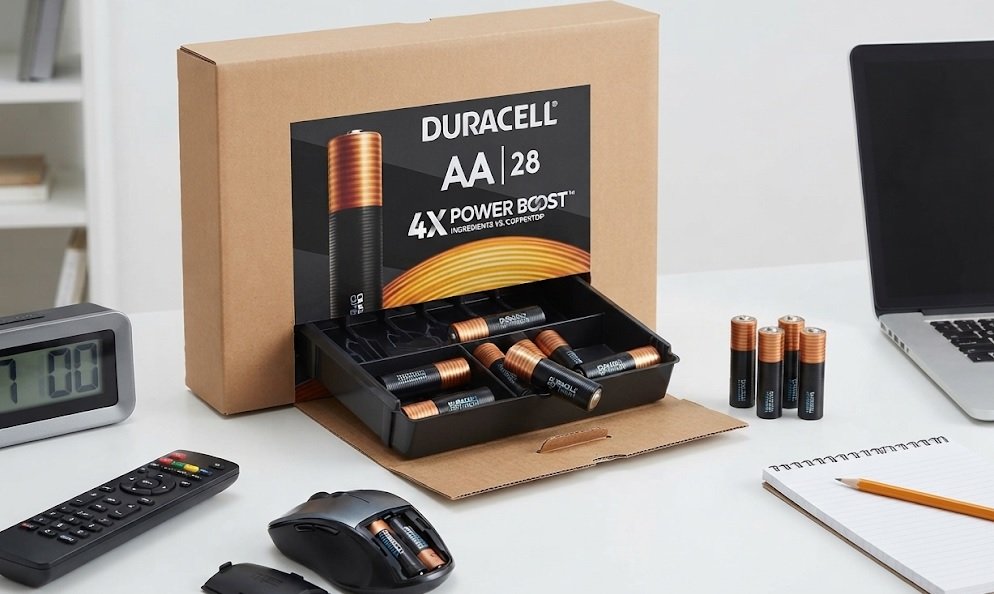
Duracell Optimum AA Batteries – Best Overall Choice
Duracell Optimum AA delivers reliable 1.5V alkaline power with a unique cathode system for consistent performance. This recommended option suits high-drain devices like gaming controllers and cameras. Its leak-resistant design and 10-year shelf life make it the best option for households wanting dependable, long-lasting alkaline batteries without mixing risks.
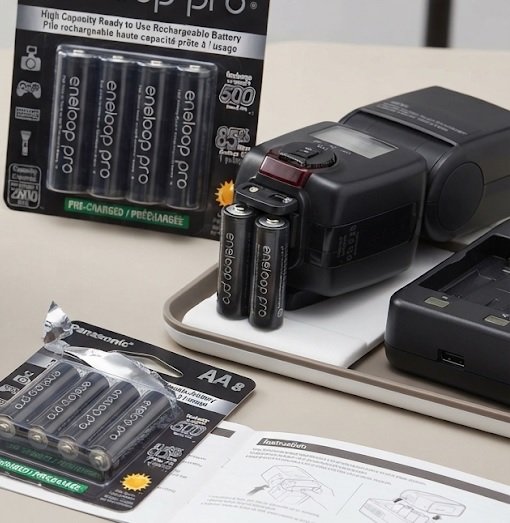
Panasonic Eneloop Pro AA Rechargeable Batteries – Best Rechargeable Option
Panasonic Eneloop Pro AA offers 2500mAh capacity and up to 500 recharge cycles. Ideal for high-drain electronics, these pre-charged batteries hold 85% power after one year. This recommended choice eliminates mixing concerns entirely, providing a sustainable, cost-effective solution for frequent users of flashlights, remotes, and wireless mice.
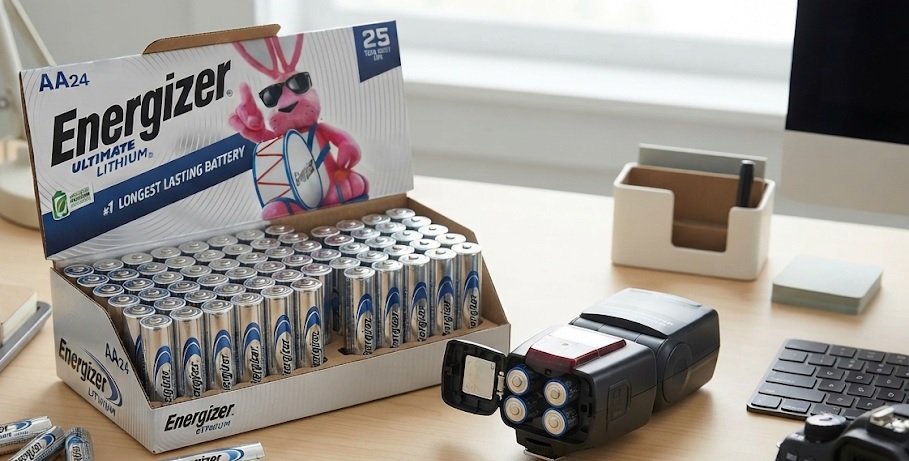
Energizer Ultimate Lithium AA Batteries – Best for Extreme Conditions
Energizer Ultimate Lithium AA provides 1.5V power lasting up to 20 years in storage. This best option performs flawlessly from -40°F to 140°F, ideal for outdoor gear, trail cameras, and smoke detectors. Its lightweight design and leak-proof construction make it perfect for devices needing maximum reliability in harsh environments.
Why Mixing Rechargeable and Alkaline Batteries Is Dangerous
Mixing battery types creates an unbalanced electrical flow inside your device. This imbalance triggers heat, leakage, and potential rupture. Understanding the science behind these risks helps you avoid costly damage.
Voltage Mismatch Causes Uneven Discharge
Alkaline batteries deliver 1.5V, while most rechargeable NiMH batteries output only 1.2V. This difference forces the stronger battery to overwork.
- Alkaline cells: Push extra current to compensate for weaker rechargeables
- Rechargeable cells: Drain faster and may reverse polarity
- Result: Overheating, swelling, and premature failure
Leakage and Chemical Damage Risks
Overworked alkaline batteries often leak potassium hydroxide, a corrosive chemical. This fluid destroys battery compartments and circuit boards permanently.
Rechargeable batteries pushed beyond limits can vent hydrogen gas. In sealed devices, this creates pressure that may cause rupture or fire.
Quick Safety Facts
- 1.5V vs 1.2V mismatch stresses both battery types
- Leaking chemicals corrode devices beyond repair
- Reverse polarity can spark fires in extreme cases
Real-World Device Damage Examples
Mixed batteries commonly destroy TV remotes, wireless mice, and children’s toys. Repair costs often exceed the price of simply buying matched batteries.
| Battery Combination | Risk Level | Common Outcome |
|---|---|---|
| Alkaline + Alkaline (same brand) | Low | Normal performance |
| Alkaline + Rechargeable | High | Leakage, overheating |
| Old + New (any type) | Moderate | Reduced lifespan |
Now that you understand these dangers, let’s explore proper battery pairing practices.
How to Safely Use Batteries in Any Device
Following proven methods for battery selection and pairing prevents damage. These expert tips apply to remotes, toys, flashlights, and smart home gadgets alike.
Match Batteries Correctly Every Time
Always use identical batteries within a single device. Same brand, type, model, and charge level matter more than most users realize.
- Check the type: Confirm all cells are alkaline or all rechargeable
- Verify the brand: Mixing brands causes uneven discharge rates
- Test charge levels: Replace or recharge all cells together
- Inspect for damage: Discard corroded or swollen batteries immediately
Choose the Right Battery for Your Device
Different devices demand different battery chemistry. Matching them properly extends lifespan and improves performance.
- Low-drain devices: Clocks, remotes, and smoke detectors work well with standard alkalines
- High-drain devices: Cameras, gaming controllers, and toys benefit from rechargeables
- Extreme temperatures: Lithium batteries outperform others in cold or heat
Safe Pairing Rules
- Never combine different battery chemistries
- Replace all cells at the same time
- Store batteries in a cool, dry place
Proper Storage and Disposal Practices
Store batteries away from metal objects to prevent short circuits. Keep them at room temperature and avoid direct sunlight.
Recycle all batteries at designated drop-off points. Never throw lithium or rechargeable cells in household trash.
| Device Type | Recommended Battery | Avoid Mixing With |
|---|---|---|
| TV Remote | Alkaline AA/AAA | Rechargeables |
| Gaming Controller | NiMH Rechargeable | Alkalines |
| Smoke Detector | Lithium or Alkaline | Old cells |
With these practices in mind, let’s examine when rechargeable batteries make more sense than alkalines.
Rechargeable vs Alkaline Batteries: Which Should You Choose?
Choosing between rechargeable and alkaline batteries depends on your device and usage habits. Each type offers distinct advantages for different situations.
When Rechargeable Batteries Win
Rechargeable batteries shine in high-drain devices used frequently. They reduce long-term costs and environmental waste significantly.
- Cost savings: One rechargeable replaces hundreds of alkalines
- Eco-friendly: Fewer batteries end up in landfills
- Consistent power: NiMH cells maintain steady voltage as they drain
Gaming controllers, wireless mice, and digital cameras are ideal candidates for rechargeables.
When Alkaline Batteries Make Sense
Alkaline batteries excel in low-drain devices and emergency situations. Their long shelf life and immediate readiness make them reliable backups.
- Low-drain devices: Clocks, remotes, and smoke detectors
- Emergency kits: 10-year shelf life ensures readiness
- Occasional use: No charging infrastructure needed
Quick Decision Guide
- High-drain + frequent use = Rechargeable
- Low-drain + occasional use = Alkaline
- Never mix the two in one device
Cost Comparison Over Time
Understanding the financial picture helps you decide which battery type suits your needs.
| Factor | Rechargeable (NiMH) | Alkaline |
|---|---|---|
| Upfront Cost | Higher | Lower |
| Reuses | 500-1000 cycles | Single use |
| Cost Per Use | Very low | Higher over time |
| Best For | High-drain devices | Low-drain devices |
Understanding these differences helps you avoid dangerous mixing mistakes. Next, let’s address the most common questions about battery safety.
Common Battery Mixing Mistakes and How to Avoid Them
Many users unknowingly make errors that shorten battery life and damage devices. Recognizing these mistakes helps you protect your electronics.
Mistake 1: Mixing Old and New Batteries
Pairing old and new cells forces the newer battery to compensate for the weaker one. This accelerates drain and increases leakage risk.
- Always replace all cells together in multi-battery devices
- Test voltage before combining batteries from different packages
- Label rechargeables to track charge cycles and age
Mistake 2: Ignoring Voltage Ratings
Devices specify required voltage for a reason. Substituting 1.2V rechargeables for 1.5V alkalines can cause malfunctions in sensitive electronics.
- Check device manuals for recommended battery specifications
- Avoid 3.7V lithium-ion in devices designed for 1.5V cells
- Use voltage converters when rechargeable output is too low
Avoid These Errors
- Never pair old cells with new ones
- Always match voltage to device specs
- Remove batteries from unused devices
Mistake 3: Leaving Batteries in Unused Devices
Batteries left in dormant devices can leak over time. This corrosion damages contacts and renders devices unusable.
- Remove batteries from devices used seasonally
- Store separately in a cool, dry location
- Check periodically for signs of leakage or swelling
- Dispose properly at certified recycling centers
| Mistake | Consequence | Prevention |
|---|---|---|
| Old + New mixing | Fast drain, leakage | Replace all at once |
| Wrong voltage | Device malfunction | Match specifications |
| Storage neglect | Corrosion damage | Remove when unused |
Now that you know the pitfalls, let’s look at frequently asked questions about battery safety.
Expert Safety Tips for Battery Usage and Handling
Following professional guidance reduces risks and extends battery life. These expert-recommended practices apply to every household device.
Proper Handling and Installation Guidelines
Correct handling prevents short circuits and physical damage. Always follow manufacturer instructions when installing batteries.
- Match polarity: Align positive and negative terminals correctly
- Avoid touching terminals: Skin oils reduce conductivity
- Insert firmly: Loose connections cause arcing and heat
Warning Signs of Battery Failure
Recognizing early warning signs prevents device damage. Act immediately if you notice any of these indicators.
- Swelling or bulging: Internal pressure buildup signals danger
- Discoloration: White or blue residue indicates leakage
- Excessive heat: Hot batteries during use require immediate removal
- Strange odors: Chemical smells suggest venting or rupture
Safety Checklist
- Inspect batteries before every installation
- Remove immediately if damaged or hot
- Wear gloves when handling leaking cells
Emergency Response to Battery Leaks
Battery leaks require careful handling to avoid chemical burns. Potassium hydroxide and other electrolytes are corrosive to skin and eyes.
- Wear protective gloves and avoid direct contact
- Ventilate the area to disperse harmful fumes
- Clean with vinegar or lemon juice to neutralize alkaline residue
- Dispose safely at hazardous waste facilities
| Warning Sign | Immediate Action |
|---|---|
| Swelling | Remove and isolate outdoors |
| Leakage | Clean with gloves, neutralize acid |
| Overheating | Stop use, let cool away from flammables |
With these safety measures covered, let’s examine the environmental impact of battery choices.
Environmental Impact of Battery Choices and Recycling
Battery selection affects more than device performance. Your choices influence landfill waste, resource consumption, and environmental health.
Why Battery Recycling Matters
Improperly discarded batteries leach toxic chemicals into soil and groundwater. Recycling recovers valuable metals and prevents pollution.
- Alkaline batteries: Contain zinc, manganese, and steel worth recovering
- Rechargeable batteries: Hold nickel, cadmium, and lithium for reuse
- Lithium cells: Pose fire risks in landfills if punctured
One recycled battery keeps hazardous materials out of ecosystems for decades.
How to Recycle Batteries Properly
Recycling batteries requires following specific steps based on chemistry. Most communities offer convenient drop-off options.
- Tape terminals: Cover lithium and 9V battery contacts with tape
- Separate by type: Keep alkaline, NiMH, and lithium apart
- Find a drop-off: Use retailer bins or municipal facilities
- Never trash: Avoid household garbage for any battery type
Recycling Essentials
- Rechargeables cut waste by up to 1000x
- Tape lithium terminals to prevent fires
- Use retailer and municipal drop-off bins
Rechargeable Batteries Reduce Environmental Footprint
Switching to rechargeables dramatically lowers battery waste. A single NiMH cell replaces hundreds of disposable alkalines over its lifetime.
| Battery Type | Landfill Impact | Recycling Rate |
|---|---|---|
| Alkaline | High volume waste | Low (under 10%) |
| NiMH Rechargeable | Minimal over time | Moderate |
| Lithium-ion | Hazardous if discarded | Growing steadily |
Understanding environmental factors completes the picture of responsible battery use. Let’s wrap up with final recommendations.
Frequently Asked Questions About Mixing Battery Types
Users often have specific concerns about battery compatibility and safety. These answers address the most common questions directly.
Can I Mix Rechargeable and Alkaline Batteries in an Emergency?
No, even in emergencies, mixing battery types remains dangerous. The risks of leakage, overheating, and device damage outweigh any temporary convenience.
- Use matched pairs from the same package when possible
- Remove all batteries if you cannot find matching replacements
- Keep spare batteries stored for emergencies instead
What Happens If I Accidentally Mix Battery Types?
Accidental mixing may not cause immediate failure, but risks escalate quickly. Monitor devices closely and remove batteries at the first sign of trouble.
- Check for heat: Feel the device after 10-15 minutes of use
- Listen for sounds: Hissing or popping indicates venting
- Smell for chemicals: Unusual odors signal leakage
- Remove immediately: Take out all batteries if any warning sign appears
Emergency Response
- Never mix types, even temporarily
- Monitor devices for heat and odors
- Remove batteries at first warning sign
Do Battery Adapters Make Mixing Safe?
Adapters like AA-to-C or AA-to-D converters do not solve voltage mismatches. They only change physical size, not electrical compatibility.
Using adapters with mismatched battery types still creates the same discharge imbalance and safety risks.
| Question | Answer |
|---|---|
| Safe in emergencies? | No, never mix types |
| Adapters help? | No, voltage still mismatched |
| Signs of trouble? | Heat, odor, swelling, noise |
These answers cover the most pressing safety concerns. Now let’s explore proper disposal methods for damaged batteries.
Conclusion: Never Mix Rechargeable and Alkaline Batteries
Mixing rechargeable and alkaline batteries is never safe. Voltage mismatches cause leaks, overheating, and permanent device damage. Always match battery type, brand, and charge level.
Follow the safety tips in this guide to protect your electronics. Replace all batteries together and recycle responsibly.
Check your devices today and remove any mismatched cells. Share this guide with others to prevent costly mistakes.
Smart battery habits keep your devices running safely for years.
Frequently Asked Questions About Mixing Rechargeable and Alkaline Batteries
What happens if you mix rechargeable and alkaline batteries?
Mixing these battery types causes uneven discharge, overheating, and possible leakage. The alkaline cell pushes extra current to compensate for the lower-voltage rechargeable, stressing both batteries beyond safe limits.
Over time, this imbalance corrodes device contacts and may cause rupture. Damage often appears within hours in high-drain devices like cameras or toys.
Can I use rechargeable and alkaline batteries together temporarily?
No, temporary use is still unsafe. Even short periods create voltage mismatches that generate heat and accelerate chemical breakdown inside both cells.
The risk increases with device power demands. A flashlight may survive minutes, but gaming controllers and cameras can fail almost immediately.
Why do rechargeable batteries have lower voltage than alkaline?
Rechargeable NiMH cells produce 1.2V while alkaline batteries deliver 1.5V. This difference stems from their internal chemistry and electrode materials.
NiMH batteries maintain steady voltage during discharge, while alkalines decline gradually. Devices tolerate both individually but never when combined.
Which is better for high-drain devices: rechargeable or alkaline?
Rechargeable batteries are the better choice for high-drain devices. They deliver consistent power, cost less per use, and handle repeated cycles without performance loss.
Alkalines drain quickly under heavy loads, making them expensive for cameras, controllers, and toys. Reserve alkalines for low-drain items like clocks.
How can I tell if my batteries are damaged from mixing?
Look for swelling, discoloration, white residue, or unusual heat. Any chemical smell or hissing sound signals immediate danger and requires prompt removal.
Wear gloves when handling damaged cells. Clean corrosion with vinegar and dispose of affected batteries at certified recycling centers.
Is it safe to mix different brands of the same battery type?
Mixing brands of identical battery types is safer but still not ideal. Different manufacturers use varying chemistries that may discharge at different rates.
For best results, use identical brand, model, and age batteries in every device. This ensures balanced performance and maximum lifespan.
What is the best way to store batteries safely?
Store batteries in a cool, dry place away from metal objects. Keep them in original packaging or dedicated battery cases to prevent short circuits.
Avoid extreme temperatures and direct sunlight. Proper storage preserves capacity and prevents leakage over months of inactivity.
Can battery adapters make mixing rechargeable and alkaline batteries safe?
No, adapters only change physical size, not electrical properties. Voltage mismatches remain, so the same overheating and leakage risks apply.
Adapters work safely only when all batteries share identical chemistry, brand, and charge level. Never rely on them to fix incompatible combinations.