
Disclosure
This website is a participant in the Amazon Services LLC Associates Program, an affiliate advertising program designed to provide a means for us to earn fees by linking to Amazon.com and affiliated sites.
Choosing the right car battery comes down to matching group size, cold cranking amps (CCA), and terminal layout to your vehicle’s exact specifications. Get these three factors right, and you’ll enjoy reliable starts and a longer battery lifespan.
This complete guide walks you through a proven 6-step checklist, from reading your current battery’s label to verifying warranty coverage. Keep reading for expert tips that prevent costly mistakes and roadside breakdowns.
Key Takeaways
- Group size must match your vehicle exactly — it determines fit and terminal alignment.
- Higher CCA isn’t always better; meet your climate’s minimum, don’t exceed it wildly.
- Check the date code: batteries lose cranking power sitting on shelves.
- Compare warranty length — free replacement periods reveal true battery quality.
- Verify alternator health first, or a new battery may fail prematurely.
Best Car Batteries for Reliable Starting – Detailed Comparison
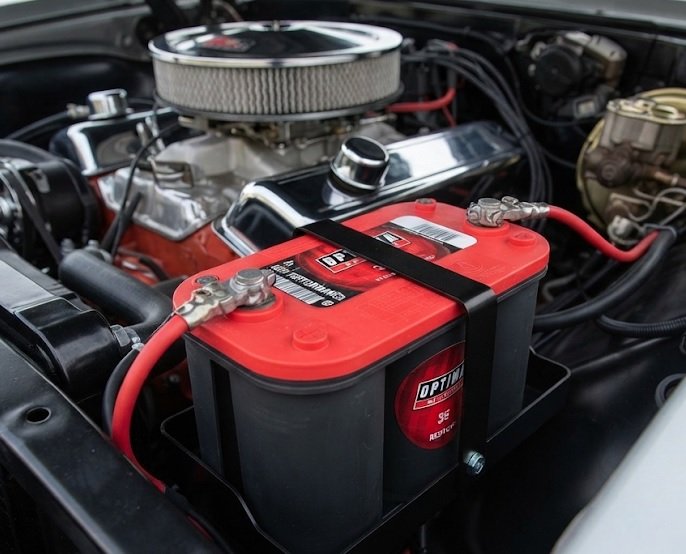
Optima RedTop 35 – Best Overall Choice
The Optima RedTop 35 is widely recommended for its SpiralCell technology, delivering 720 CCA and exceptional vibration resistance. Ideal for trucks, SUVs, and vehicles in harsh climates, it resists deep discharges better than conventional batteries. Its sealed, spill-proof design makes it the best option for off-road and performance applications.
DieHard Platinum AGM Group 35 – Best for Cold Climates
The DieHard Platinum AGM (Group 35) offers 650 CCA and superior cold-weather performance. AGM construction handles repeated starting cycles and power-hungry accessories like heated seats. Ideal for modern vehicles with start-stop systems, it’s a top-rated choice for drivers facing freezing winters and demanding electrical loads.

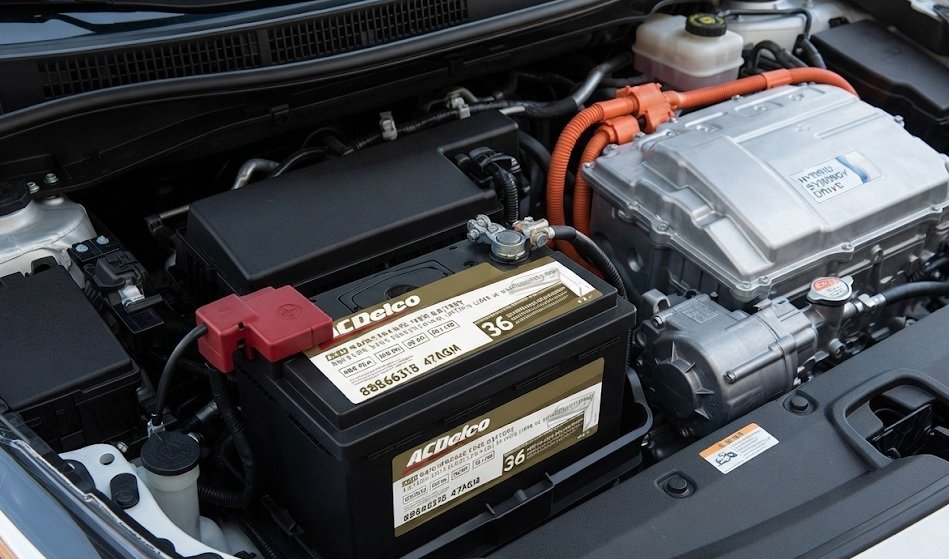
ACDelco Professional 48AGM – Best Value Option
The ACDelco Professional 48AGM delivers 760 CCA at a competitive price, making it the best value pick. As an OEM supplier, ACDelco matches factory specifications for many GM, Chevrolet, and Buick models. Recommended for budget-conscious buyers who still want dependable, long-lasting AGM performance.
Step 1: How to Find the Right Battery Group Size for Your Vehicle
Group size is the physical dimensions and terminal placement of a battery. Getting it wrong means the battery won’t fit or connect properly. Always verify this before comparing brands or prices.
Where to Find Your Required Group Size
- Current battery label: Look for a code like “Group 35” or “H6” printed on top.
- Owner’s manual: Lists the exact specification for your make and model.
- Retailer fitment tools: Enter your year, make, and model for instant results.
Why Group Size Matters More Than Brand
A premium battery in the wrong group size simply won’t work. Terminals may not align, and the hold-down bracket won’t secure it. Loose batteries can shift and damage engine components.
| Group Size | Common Vehicles | Typical Dimensions |
|---|---|---|
| 24F | Honda, Toyota | 10.25″ x 6.8″ x 8.9″ |
| 35 | Ford, Nissan | 9.06″ x 6.9″ x 8.9″ |
| 48/H6 | BMW, VW, Audi | 10.9″ x 6.9″ x 7.5″ |
Quick Tip
- Snap a photo of your old battery’s label before shopping.
Once you’ve confirmed your group size, you’re ready to evaluate power ratings. Next, we’ll break down CCA and why more isn’t always better.
Step 2: Understanding Cold Cranking Amps (CCA) and Power Ratings
Cold cranking amps measure how much current a battery delivers at 0°F for 30 seconds. This rating determines whether your engine starts in freezing conditions. Choosing the right CCA prevents sluggish starts and premature battery failure.
How Much CCA Do You Actually Need?
Match your vehicle’s original specification, not the highest number on the shelf. More CCA isn’t automatically better—it can strain your charging system if oversized.
- Small cars: 400–500 CCA is typically sufficient.
- Mid-size sedans and SUVs: 550–650 CCA covers most needs.
- Trucks and cold climates: 700+ CCA ensures reliable winter starts.
CCA vs. CA vs. RC: What’s the Difference?
Battery labels show several ratings that confuse buyers. Understanding each helps you compare products accurately.
| Rating | Measures | Best For |
|---|---|---|
| CCA | Current at 0°F | Cold climates |
| CA | Current at 32°F | Mild climates |
| RC | Minutes at 25 amps | Accessory power |
Quick Tip
- If you live where winters drop below freezing, choose a battery with CCA at least 10% above your minimum.
With power ratings settled, the next step is choosing between battery types. Let’s compare flooded, AGM, and gel options.
Step 3: Comparing Flooded, AGM, and Gel Battery Types
Battery chemistry affects performance, lifespan, and price. Choosing the wrong type for your vehicle can void warranties or damage charging systems. Here’s how the three main options compare.
Flooded Lead-Acid Batteries: The Traditional Choice
Flooded batteries use liquid electrolyte and remain the most affordable option. They require periodic maintenance and must stay upright to prevent spills.
- Pros: Lowest cost, widely available, simple to replace.
- Cons: Shorter lifespan, vibration-sensitive, needs watering.
- Best for: Older vehicles without start-stop technology.
AGM Batteries: The Modern Standard
Absorbed Glass Mat (AGM) batteries suspend electrolyte in fiberglass mats. They handle deep discharges, resist vibration, and charge faster than flooded types.
- Pros: Maintenance-free, spill-proof, superior cycling ability.
- Cons: Higher upfront cost, requires compatible charging voltage.
- Best for: Start-stop systems, vehicles with heavy electronics.
Gel Batteries: The Niche Performer
Gel batteries use a thixotropic gel that resists extreme temperatures and vibration. They’re excellent for deep-cycle applications but sensitive to overcharging.
| Type | Lifespan | Cost | Best Use |
|---|---|---|---|
| Flooded | 3–5 years | $ | Basic vehicles |
| AGM | 5–7 years | $$ | Modern cars |
| Gel | 6–8 years | $$$ | Marine, RV, solar |
Quick Tip
- Never downgrade from AGM to flooded—your charging system was designed for AGM voltage.
Now that you understand battery types, let’s examine terminal configurations and physical fitment details.
Step 4: Checking Terminal Layout, Polarity, and Physical Fit
Even a correctly sized battery can fail if terminals don’t align with your cables. Terminal position and polarity must match your vehicle’s design exactly. A reversed connection can destroy your alternator and ECU.
Understanding Terminal Positions and Polarity
Batteries come in two polarity configurations: positive on the left or positive on the right. Top-post and side-post designs also differ between vehicles.
- Top-post terminals: Standard on most Asian and domestic vehicles.
- Side-post terminals: Common on GM vehicles with recessed connections.
- Dual-terminal: Offers both options for flexibility.
Why Physical Fitment Matters
Hold-down brackets secure the battery against vibration. An ill-fitting battery shifts during turns, stressing cables and terminals. Always confirm height clearance under the hood before purchase.
| Check | What to Verify |
|---|---|
| Polarity | Positive terminal matches cable position |
| Terminal type | Top-post, side-post, or dual |
| Height | Fits under hood without touching |
| Hold-down | Bracket aligns with battery base |
Quick Tip
- Photograph your old battery’s terminal orientation before removing it.
With fitment confirmed, the next step covers freshness and warranty—two factors buyers often overlook.
Step 5: Checking Battery Freshness and Warranty Coverage
A battery’s performance depends heavily on its manufacturing date. Batteries degrade on shelves, even unused. Always check the date code before buying to avoid purchasing old stock.
How to Read a Battery Date Code
Most manufacturers stamp a code showing month and year of production. Formats vary by brand, so decode carefully.
- Letter-number codes: A–L represents January–December, followed by the year digit.
- Sticker labels: Show month/year directly, often on the top or side.
- Purchase rule: Reject any battery older than six months.
Understanding Battery Warranty Terms
Warranties typically include a free replacement period followed by a prorated period. The free replacement window reveals the manufacturer’s confidence in quality.
| Warranty Type | Coverage | Typical Length |
|---|---|---|
| Free replacement | Full battery swap, no cost | 2–4 years |
| Prorated | Partial credit toward new battery | Up to 84 months |
What Voids a Battery Warranty
- Installing the wrong group size or chemistry
- Damage from a faulty alternator or charger
- Physical abuse, cracks, or reversed connections
Quick Tip
- Keep your receipt and register the warranty online the same day you install it.
Finally, let’s cover installation and maintenance practices that maximize your new battery’s lifespan.
Step 6: Installation and Maintenance Tips for Longer Battery Life
Correct installation prevents damage and ensures your warranty stays valid. Proper maintenance afterward can add years to your battery’s service life. Follow these steps for a safe, reliable install.
How to Install a Car Battery Safely
- Disconnect negative first, then positive, to avoid short circuits.
- Remove the hold-down bracket and lift the old battery straight out.
- Clean terminals with a wire brush to remove corrosion.
- Install the new battery, reconnect positive first, then negative.
- Apply dielectric grease to terminals to prevent future corrosion.
Maintenance Habits That Extend Battery Life
Small routines dramatically improve longevity, especially in extreme climates. These habits take minutes but save hundreds in replacements.
- Test voltage monthly: A healthy battery reads 12.6V at rest.
- Keep terminals clean: Corrosion blocks current flow and strains charging.
- Avoid short trips: Frequent short drives prevent full recharging.
- Check the alternator: A failing alternator kills new batteries fast.
Quick Tip
- Disconnect the negative terminal if storing your vehicle for over a month.
You now have all six steps needed to choose the right car battery with confidence. Apply this checklist every time you shop.
Common Car Battery Buying Mistakes to Avoid
Even careful shoppers make errors that shorten battery life or void warranties. Knowing these pitfalls helps you avoid costly replacements. Here are the most frequent mistakes and how to sidestep them.
Mistake 1: Buying Based on Price Alone
The cheapest battery often costs more long-term through frequent replacements. Budget batteries typically have shorter free-replacement windows and lower reserve capacity.
- Cheap flooded batteries may last only 2–3 years.
- Quality AGM batteries often deliver 5–7 years of service.
- Calculate cost-per-year rather than upfront price.
Mistake 2: Ignoring the Charging System
A failing alternator or parasitic drain destroys new batteries within months. Always test your charging system before installing a replacement.
Mistake 3: Skipping the Registration Step
Many modern vehicles require battery registration through a scan tool. Without it, the alternator may overcharge or undercharge the new battery.
| Mistake | Consequence | Solution |
|---|---|---|
| Wrong group size | Poor fit, loose terminals | Verify before buying |
| Ignoring date code | Reduced lifespan | Reject stock over 6 months old |
| No registration | Charging errors, early failure | Use scan tool or dealer |
Quick Tip
- Test your alternator output before installing any new battery—it takes five minutes and prevents repeat failures.
Understanding these mistakes prepares you for smarter decisions. Next, we’ll explore how driving habits and climate affect your battery choice.
Conclusion: Choose Your Car Battery with Confidence
Choosing the right car battery comes down to six checks: group size, CCA, battery type, terminal fit, freshness, and warranty. Follow this checklist, and you’ll avoid costly mistakes.
The best practice is simple—verify fitment before price. Test your charging system too. A healthy alternator protects your investment.
Ready to buy? Grab your owner’s manual, note your group size, and shop with confidence today.
With these proven methods, reliable starts are within reach.
Frequently Asked Questions About Choosing a Car Battery
What is the best way to choose a car battery for my vehicle?
Match your vehicle’s original group size, CCA rating, and terminal layout first. These three specifications determine fit and function. Check your owner’s manual or the label on your current battery.
Once fitment is confirmed, compare battery types, date codes, and warranty terms. AGM suits modern vehicles with start-stop systems, while flooded batteries work fine for older cars.
How do I know what group size battery I need?
Look at the label on your existing battery or check your owner’s manual. Retailer fitment tools also provide this instantly when you enter your year, make, and model.
Group size defines physical dimensions and terminal placement. Installing the wrong size means poor fit, loose connections, and potential damage to nearby components.
Is a higher CCA battery always better?
No—more CCA isn’t automatically better. Choose a rating that meets or slightly exceeds your vehicle’s specification. Oversized batteries can strain charging systems.
For cold climates, select a battery with CCA about 10% above the minimum. In mild regions, matching the factory rating delivers reliable performance without overspending.
Which is better: AGM or flooded battery?
AGM batteries outperform flooded types in durability, vibration resistance, and cycling ability. They’re ideal for modern vehicles with start-stop technology and heavy electronics.
Flooded batteries cost less and suit older vehicles without advanced electrical demands. Never downgrade from AGM to flooded—your charging system was designed for AGM voltage.
How can I tell if a car battery is fresh or old?
Check the date code stamped on the battery’s top or side. Most codes show month and year of manufacture using letters and numbers.
Reject any battery older than six months. Batteries degrade on shelves even when unused, reducing their effective lifespan once installed.
Why does my new car battery keep dying?
A failing alternator, parasitic drain, or loose connections usually cause repeat failures. Test your charging system before blaming the battery itself.
Many modern vehicles also require battery registration through a scan tool. Without registration, the alternator may overcharge or undercharge the new battery.
How long should a car battery last?
Flooded batteries typically last 3–5 years, while AGM batteries deliver 5–7 years. Gel batteries can reach 6–8 years in deep-cycle applications.
Driving habits, climate, and maintenance all affect lifespan. Frequent short trips and extreme temperatures shorten battery life significantly.
What is the best way to maintain a car battery?
Test voltage monthly—a healthy battery reads 12.6V at rest. Keep terminals clean and apply dielectric grease to prevent corrosion buildup.
Avoid frequent short drives that prevent full recharging. If storing your vehicle over a month, disconnect the negative terminal to prevent drain.