
Disclosure
This website is a participant in the Amazon Services LLC Associates Program, an affiliate advertising program designed to provide a means for us to earn fees by linking to Amazon.com and affiliated sites.
Choosing the right coin cell for LED lights and tea lights ensures bright, long-lasting performance. The correct battery matches the size, voltage, and capacity your device requires, preventing flickering or failures.
This complete guide reveals proven methods for selecting coin cells with confidence. You’ll learn about common sizes like CR2032, voltage requirements, and expert tips for maximizing battery life. Keep reading to power your lights the smart way.
Key Takeaways
- CR2032 is the most common coin cell for LED tea lights, but always verify your device’s required size.
- Voltage must match exactly—most LED lights need 3V, and higher voltage can damage circuitry.
- Lithium cells (CR prefix) last longer and perform better in cold temperatures than alkaline (LR) options.
- Higher mAh capacity means longer runtime, so choose the maximum your device accepts.
- Check expiry dates and buy from reputable brands to avoid counterfeit or drained batteries.
Best Coin Cell Batteries for LED Lights and Tea Lights – Detailed Comparison
Duracell CR2032 3V Lithium Coin Battery – Best Overall Choice
The Duracell CR2032 is the recommended choice for most LED tea lights and small flameless candles. With 225mAh capacity and reliable 3V output, it delivers consistent brightness for hours. Its lithium chemistry performs well in both warm and cold environments, making it ideal for year-round decorative use.

Energizer CR2032 3V Lithium Battery – Best Long-Lasting Option
The Energizer CR2032 offers exceptional longevity with a 10-year shelf life, making it the best option for bulk buyers and seasonal decorators. These cells maintain steady voltage throughout their lifespan, ensuring your LED lights stay bright without dimming. Perfect for tea lights used frequently or stored between holidays.

Amazon Basics CR2032 3V Lithium Batteries (Pack of 12) – Best Value Option
The Amazon Basics CR2032 12-pack delivers dependable performance at a budget-friendly price. Each cell provides 3V output and 210mAh capacity, ideal for LED tea lights and small electronics. This value pack is recommended for households running multiple flameless candles simultaneously.
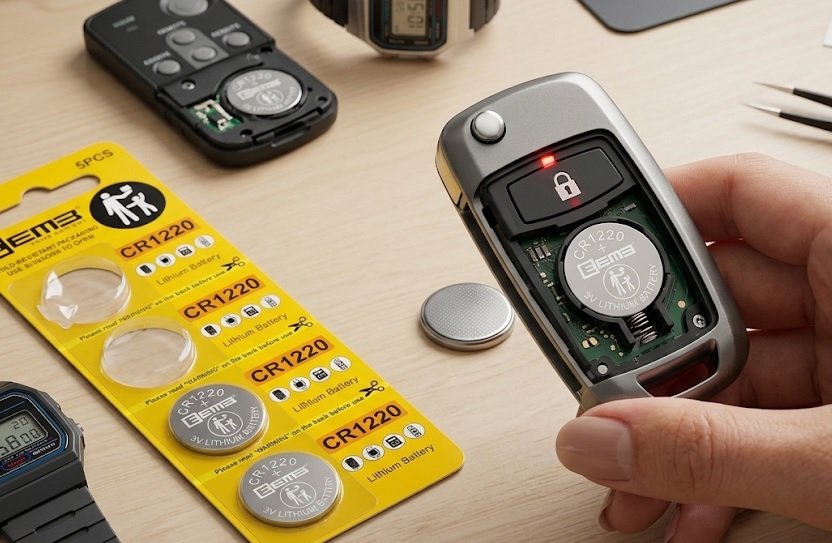
Understanding Coin Cell Battery Sizes and Specifications for LED Lights
Coin cell batteries come in standardized sizes, each identified by a code. Understanding these specifications helps you select the correct battery for your LED tea lights without guesswork.
Decoding the CR2032 Battery Number
The code reveals critical dimensions. CR indicates lithium chemistry, while 20 means 20mm diameter and 32 represents 3.2mm thickness. This naming system applies across all coin cell types.
Common Coin Cell Sizes for Tea Lights
Most LED tea lights use one of these standard sizes. Always check your device’s battery compartment before purchasing.
- CR2032: The most popular option for flameless candles and tea lights
- CR2025: Thinner alternative, often used in slim LED designs
- CR2016: Ultra-thin cells for compact decorative lights
- LR44/AG13: Alkaline button cells for smaller novelty lights
Voltage and Capacity Explained
Voltage determines compatibility, while capacity affects runtime. Most LED tea lights require exactly 3 volts.
- Voltage: Lithium coin cells provide 3V; alkaline button cells deliver 1.5V
- Capacity (mAh): Higher numbers mean longer battery life
- Discharge rate: Lithium cells maintain steady power better than alkaline
Quick Reference
- CR2032 = 20mm diameter, 3.2mm thick, 3V lithium
- Never substitute 1.5V alkaline for 3V lithium cells
- Higher mAh equals longer runtime
With these specifications understood, you can confidently match any coin cell to your LED light requirements.
How to Match the Right Coin Cell to Your LED Tea Light
Selecting the correct battery involves more than grabbing the nearest coin cell. Follow a simple verification process to ensure compatibility and optimal performance.
Step-by-Step Battery Selection Process
Use this proven method to identify the right battery every time.
- Check the battery compartment: Look for printed size codes or engraved markings
- Read the old battery: Match the exact code before disposal
- Verify voltage requirements: Confirm your device needs 3V, not 1.5V
- Consult the manual: Manufacturer specs override assumptions
Lithium vs Alkaline Coin Cells for LED Lights
Chemistry affects performance significantly. Lithium cells dominate LED tea light applications for good reason.
| Feature | Lithium (CR) | Alkaline (LR) |
|---|---|---|
| Voltage | 3V | 1.5V |
| Shelf Life | Up to 10 years | 2-3 years |
| Cold Performance | Excellent | Poor |
| Cost | Higher | Lower |
Signs You’ve Chosen the Wrong Battery
Incorrect batteries cause obvious symptoms. Watch for these warning signs.
- Dim or flickering lights: Voltage mismatch or insufficient capacity
- Battery won’t fit: Wrong diameter or thickness
- Rapid drainage: Device drawing more power than cell provides
Quick Reference
- Always match the exact code printed on your old battery
- Lithium outperforms alkaline in LED applications
- Flickering signals a voltage or capacity problem
With proper matching techniques mastered, you can extend battery life and keep your LED lights glowing reliably.
Maximizing Coin Cell Battery Life in LED Tea Lights and Candles
Proper care extends battery life and keeps your LED tea lights glowing longer. These expert tips help you get maximum value from every coin cell.
Storage Tips for Longer Shelf Life
Correct storage preserves battery capacity before use. Follow these guidelines for optimal results.
- Keep batteries in original packaging: Prevents accidental contact and shorting
- Store at room temperature: Avoid extreme heat, cold, and humidity
- Keep away from metal objects: Coins and keys can cause short circuits
- Respect expiry dates: Older cells lose capacity even when unused
Usage Habits That Extend Runtime
How you operate your LED lights directly impacts battery drain. Small changes deliver noticeable improvements.
- Turn off lights when not in use: Even low-draw LEDs drain cells continuously
- Use timers or smart switches: Automate shutdown to prevent overnight drain
- Avoid extreme temperatures: Cold slows reactions; heat accelerates discharge
- Remove batteries for long storage: Prevents leakage damage to contacts
When to Replace Your Coin Cell
Recognizing replacement signals prevents disappointing dim displays. Watch for these indicators.
- Noticeable dimming: Brightness drops as voltage declines
- Intermittent operation: Flickering signals insufficient power
- Physical changes: Swelling, corrosion, or leakage means immediate replacement
Quick Reference
- Store coin cells in original packaging at room temperature
- Turn off LED lights when not in use to preserve power
- Replace batteries at first sign of dimming or flickering
Applying these maintenance habits ensures your LED tea lights deliver reliable, bright performance throughout their lifespan.
Safety Considerations When Using Coin Cells in LED Tea Lights
Coin cell batteries require careful handling, especially around children and pets. Understanding safety risks ensures your LED tea lights remain both beautiful and safe.
Swallowing Hazards and Prevention
Coin cells pose serious risks if swallowed. Their small size and shiny appearance attract curious children and pets.
- Keep batteries locked away: Store spare cells out of reach in secure containers
- Secure battery compartments: Check that tea light covers stay firmly closed
- Seek immediate medical help: Swallowed coin cells cause severe chemical burns within hours
- Dispose responsibly: Tape both sides of dead cells before recycling
Proper Disposal and Recycling
Never toss coin cells in household trash. Lithium batteries can spark fires in collection trucks and landfills.
- Tape the terminals: Cover both sides with clear tape to prevent short circuits
- Collect in a dry container: Store dead cells away from moisture and metal
- Locate a recycling center: Many electronics stores accept button cells free
- Never puncture or crush: Damaged cells may leak or ignite
Signs of Damaged or Leaking Batteries
Inspect coin cells before installation. Damaged batteries can ruin your LED tea light and create hazards.
- White crusty residue: Indicates leakage and possible corrosion
- Swollen or warped casing: Signals internal damage and pressure buildup
- Discoloration or rust: Means the cell is compromised and unsafe
Quick Reference
- Store spare coin cells securely away from children and pets
- Tape terminals before recycling to prevent fire hazards
- Never install swollen, leaking, or corroded batteries
Following these safety practices protects your household while keeping your LED tea lights performing beautifully.
Where to Buy Coin Cells for LED Tea Lights and Candles
Finding reliable coin cell batteries is easy once you know where to look. The right source ensures authentic products and fair prices.
Best Places to Purchase Coin Cells
Different retailers suit different needs. Consider these options based on urgency and quantity.
- Local supermarkets and pharmacies: Convenient for single packs and emergencies
- Electronics stores: Offer quality brands like Duracell and Energizer with expert advice
- Online retailers: Best for bulk purchases and competitive pricing on multi-packs
- Dollar stores: Budget option, though quality and shelf life vary
How to Spot Counterfeit or Low-Quality Batteries
Fake coin cells flood the market and underperform dramatically. Protect yourself with these checks.
- Verify packaging quality: Genuine brands use crisp printing and sealed blister packs
- Check the expiry date: Legitimate cells always display a clear date code
- Inspect the price: Deals far below market rate often signal counterfeits
- Buy from authorized sellers: Stick to reputable stores and official brand shops
Cost Comparison: Single Packs vs Bulk Buying
Buying in bulk saves money if you use LED tea lights regularly. Compare typical pricing below.
| Purchase Type | Typical Price | Best For |
|---|---|---|
| Single pack (2-4 cells) | $3-6 | Occasional use |
| Medium pack (12 cells) | $8-12 | Regular households |
| Bulk pack (24-50 cells) | $15-25 | Events and decorators |
Quick Reference
- Buy from authorized sellers to avoid counterfeits
- Always check for a clear expiry date on packaging
- Bulk packs offer the best value for frequent users
Choosing the right source guarantees authentic, long-lasting coin cells for all your LED tea light needs.
Rechargeable Coin Cells and Alternatives for LED Tea Lights
Rechargeable options reduce waste and long-term costs. Understanding available alternatives helps you choose the most sustainable solution for your LED tea lights.
Are Rechargeable Coin Cells Worth It?
Rechargeable coin cells exist but come with tradeoffs. Standard 3V lithium coin cells are not rechargeable, so alternatives require different formats.
- LIR2032 cells: Rechargeable lithium-ion versions rated at 3.6V, which can damage 3V devices
- USB-rechargeable tea lights: Built-in batteries eliminate coin cell purchases entirely
- Limited cycles: Most rechargeable button cells last 300-500 charges before degrading
USB-Rechargeable LED Tea Lights vs Coin Cell Models
USB-rechargeable tea lights offer a modern alternative. Compare key differences before deciding.
| Feature | Coin Cell Tea Lights | USB-Rechargeable Tea Lights |
|---|---|---|
| Upfront Cost | Low | Higher |
| Long-Term Cost | Recurring battery purchases | One-time purchase |
| Convenience | Quick battery swaps | Requires charging time |
| Waste | Disposable cells | Minimal |
Making the Sustainable Choice
Environmental impact matters to many buyers. Consider these factors when selecting your lighting solution.
- Assess usage frequency: Daily use favors rechargeable options
- Calculate total cost: Rechargeable models often pay for themselves within a year
- Recycle disposable cells: Always use proper battery recycling programs
- Choose quality over quantity: Fewer, longer-lasting batteries reduce waste
Quick Reference
- Standard CR2032 cells are not rechargeable
- USB-rechargeable tea lights suit frequent, long-term use
- Recycle all disposable coin cells responsibly
Weighing these alternatives ensures you pick the most practical and eco-friendly option for your needs.
Troubleshooting Common Coin Cell Problems in LED Lights
Even with the correct battery, LED tea lights sometimes misbehave. Quick troubleshooting resolves most issues without replacing your lights.
LED Tea Light Won’t Turn On
A dead battery is the usual culprit, but other factors cause failures too. Work through these checks in order.
- Test the battery: Try a fresh coin cell to rule out drainage
- Clean the contacts: Wipe metal terminals with a dry cloth or pencil eraser
- Check orientation: Ensure the positive (+) side faces the correct direction
- Inspect the switch: Confirm the on/off mechanism engages properly
Why Your LED Light Flickers or Dims Quickly
Flickering frustrates users and often signals a simple fix. Identify the cause with these tips.
- Loose battery fit: A slightly thin cell may not make solid contact—try a thicker size
- Low capacity cells: Cheap batteries drain fast under LED load
- Corroded terminals: Buildup blocks current flow and causes erratic behavior
- Worn circuitry: Aging LEDs draw inconsistent power regardless of battery quality
Battery Drains Too Fast
Rapid drainage wastes money and points to underlying problems. Consider these common causes.
- Wrong chemistry: Alkaline cells die faster than lithium in LED devices
- Left-on lights: Continuous operation drains cells within days
- Defective device: Internal shorts pull constant power even when switched off
Quick Reference
- Clean contacts and verify battery orientation first
- Flickering often means a loose or low-capacity cell
- Fast drainage may indicate a defective device
Most coin cell problems have simple solutions, keeping your LED tea lights glowing reliably.
Conclusion: Choosing the Right Coin Cell for LED Lights and Tea Lights
Selecting the correct coin cell for LED lights and tea lights is simple once you know the essentials. Match the size, voltage, and capacity to your device for reliable, bright performance.
Always verify the battery code and choose quality lithium cells over cheap alternatives. Proper storage and timely replacement extend every battery’s life.
Ready to power your LED tea lights? Grab the right coin cells today and enjoy dependable, long-lasting glow.
With these expert tips, you’ll never second-guess your battery choice again.
Frequently Asked Questions about Coin Cells for LED Lights and Tea Lights
What coin cell battery is best for LED tea lights?
The CR2032 lithium coin cell is the best choice for most LED tea lights. It provides a stable 3V output and 225mAh capacity, delivering hours of reliable brightness. Its 20mm diameter fits standard tea light compartments perfectly.
For slimmer designs, the CR2025 or CR2016 may be required instead. Always check your device’s battery compartment or manual to confirm the exact size before purchasing replacements.
Can I use a CR2025 instead of a CR2032 in my LED tea light?
Sometimes yes, but with caveats. Both cells share a 20mm diameter and 3V output, so they often fit interchangeably. However, the CR2025 is thinner at 2.5mm versus 3.2mm.
A thinner cell may lose contact inside the compartment, causing flickering or failure. If your device accepts both, the CR2032 lasts longer thanks to its higher capacity.
How long do coin cell batteries last in LED tea lights?
Typical CR2032 cells power LED tea lights for 20 to 40 hours of continuous use. Runtime depends on the LED’s power draw, battery capacity, and operating temperature.
Frequent on/off cycling and higher-capacity cells extend total life. Turning lights off when unused can stretch a single coin cell across several weeks of occasional use.
Are all 3V coin cells interchangeable?
No, size matters as much as voltage. Cells like CR2032, CR2025, and CR2016 all deliver 3V but differ in thickness and capacity. Only swap batteries with identical codes for guaranteed compatibility.
Using a thicker cell may prevent the compartment from closing, while a thinner one may not make proper contact. Always match the exact code printed on your original battery.
Why does my LED tea light flicker after a battery change?
Flickering usually means poor contact or incorrect battery thickness. A loose cell shifts inside the compartment, interrupting current flow. Try pressing the battery firmly or using the correct size.
Dirty or corroded terminals also cause flickering. Clean the metal contacts gently with a dry cloth or pencil eraser, then reinsert the battery and test again.
Can coin cell batteries be recharged?
Standard CR-series lithium coin cells are not rechargeable. Attempting to recharge them risks leakage, overheating, or explosion. Always dispose of depleted cells responsibly through recycling programs.
Rechargeable alternatives like LIR2032 cells exist, but they output 3.6V, which can damage 3V LED devices. For rechargeable convenience, consider USB-rechargeable tea lights instead.
What is the best way to store spare coin cells?
Keep spare coin cells in their original packaging at room temperature. This prevents accidental contact with metal objects that cause short circuits and preserves capacity until use.
Avoid humid areas, extreme heat, and direct sunlight. Stored correctly, quality lithium coin cells retain power for up to 10 years, so buying in bulk is safe and economical.
What should I do if my child swallows a coin cell?
Seek emergency medical attention immediately. Swallowed coin cells generate electrical currents that cause severe chemical burns within two hours, even if the child shows no symptoms.
Do not induce vomiting or give food or drink. Take your child to the nearest emergency room and bring the battery packaging so doctors identify the exact cell type quickly.