
Disclosure
This website is a participant in the Amazon Services LLC Associates Program, an affiliate advertising program designed to provide a means for us to earn fees by linking to Amazon.com and affiliated sites.
Lithium batteries cost more upfront but deliver a lower cost per use than alkaline in most high-drain devices. They last up to 8 times longer, so your cost per use drops dramatically over time.
This complete guide breaks down real-world pricing, performance data, and expert tips to help you choose the right battery. Keep reading to discover which option truly saves you money.
Key Takeaways
- 8x longer lifespan makes lithium cheaper per use in high-drain devices.
- Alkaline wins on price for low-drain items like clocks and remotes.
- Lithium costs $2–$3 per battery; alkaline averages $0.50–$1.
- Break-even point: lithium pays off after roughly 3–4 alkaline replacements.
- Match battery type to device drain for maximum savings.
Best Batteries for Cost per Use – Detailed Comparison
Energizer Ultimate Lithium AA – Best Overall Choice
The Energizer Ultimate Lithium AA (L91) is the recommended pick for high-drain devices. It delivers up to 8x the lifespan of standard alkaline, performs in extreme temperatures, and weighs 33% less. Ideal for cameras, flashlights, and smart home gear where reliability matters most.

Duracell Optimum AA – Best Alkaline Option
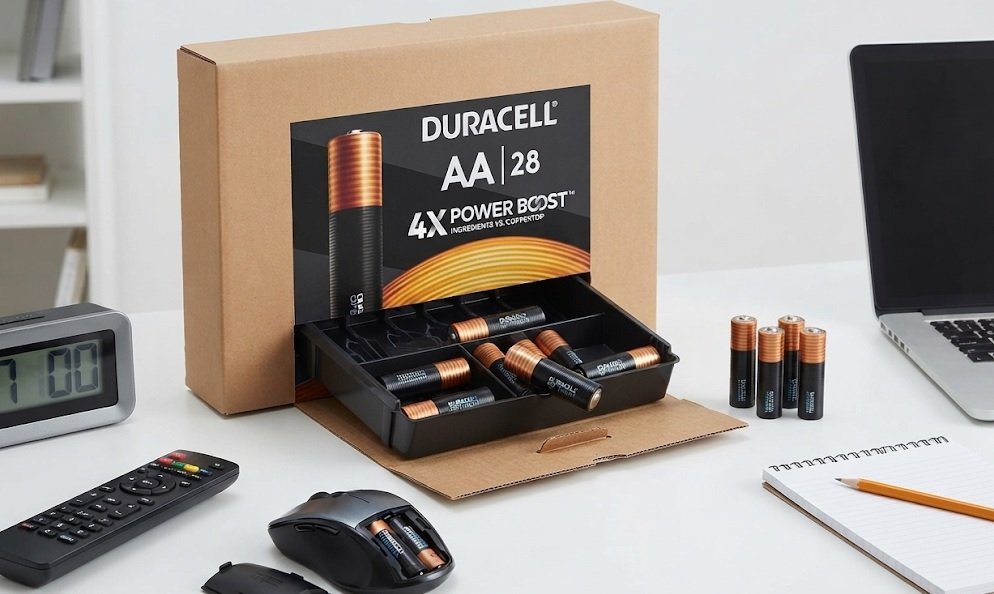
The Duracell Optimum AA is the best alkaline option for moderate-drain devices. Its Power Boost ingredients extend runtime versus standard alkalines, and it costs far less per battery. Perfect for toys, game controllers, and remotes used regularly but not intensively.
Panasonic Eneloop Pro AA – Best Rechargeable Alternative
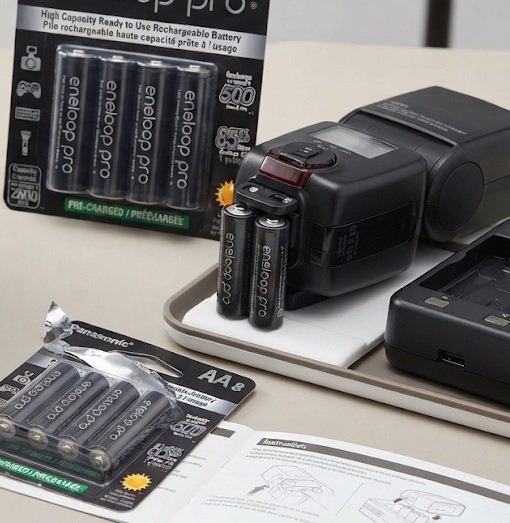
The Panasonic Eneloop Pro (BK-3HCCA) is ideal for heavy users seeking the lowest long-term cost per use. Rechargeable up to 500 times, it eliminates repeat purchases entirely. Best for wireless mice, flashes, and any device you power weekly.
How to Calculate Battery Cost per Use
Cost per use is the true measure of battery value. It divides the purchase price by the total hours or charges a battery delivers. This simple formula reveals which battery actually saves you money.
The Cost per Use Formula
Use this proven method to compare any battery:
- Divide price by lifespan: $2.50 lithium ÷ 8x runtime = $0.31 per use.
- Compare directly: $0.75 alkaline ÷ 1x runtime = $0.75 per use.
- Factor replacements: Include every alkaline swap you avoid.
Real-World Cost Comparison
Numbers make the difference obvious. The table below shows typical costs for a high-drain device like a digital camera.
| Battery Type | Price | Runtime | Cost per Use |
|---|---|---|---|
| Alkaline AA | $0.75 | 1x | $0.75 |
| Lithium AA | $2.50 | 8x | $0.31 |
| Rechargeable | $4.00 | 500x | $0.01 |
When Alkaline Still Wins
Low-drain devices change the math entirely. For smoke detectors, wall clocks, and TV remotes, alkaline batteries last months or years. Lithium’s extra runtime goes unused, making its higher price wasteful.
- Low-drain devices: Alkaline is the cheaper choice.
- High-drain devices: Lithium or rechargeable wins.
- Frequent use: Rechargeables deliver the lowest cost per use.
Lithium vs Alkaline: Performance Differences That Affect Cost
Performance determines how long each battery truly lasts. Lithium cells hold voltage steady, while alkaline power fades gradually. These differences directly impact your real cost per use.
Discharge Rate and Voltage Stability
Lithium batteries maintain steady voltage until nearly depleted. Alkaline batteries lose power steadily, so devices slow down long before the battery dies. This means lithium delivers more usable energy per dollar.
- Lithium: Full power for 95% of lifespan.
- Alkaline: Noticeable drop after 50% capacity.
- Result: Lithium powers demanding devices longer.
Temperature and Shelf Life Performance
Extreme conditions widen the gap between these chemistries. Lithium performs in temperatures from -40°F to 140°F, while alkaline struggles below freezing. Lithium also holds its charge for up to 20 years in storage, versus just 5–10 for alkaline.
| Factor | Lithium | Alkaline |
|---|---|---|
| Shelf life | Up to 20 years | 5–10 years |
| Operating temp | -40°F to 140°F | -4°F to 130°F |
| Leak risk | Very low | Higher over time |
Leakage and Device Safety
Alkaline batteries can leak corrosive potassium hydroxide, damaging expensive electronics. Lithium cells rarely leak, protecting your devices. This safety factor adds hidden value to lithium’s cost per use calculation.
Quick Summary
- Lithium holds steady voltage; alkaline fades gradually.
- Lithium survives extreme temperatures and stores for 20 years.
- Alkaline leaks more often, risking device damage.
Which Devices Benefit Most From Each Battery Type
Device drain rate decides which battery saves you money. High-drain devices drain power fast, while low-drain devices sip it slowly. Matching battery type to device is the key to lowering cost per use.
High-Drain Devices: Where Lithium Wins
High-drain devices pull power quickly and expose alkaline weaknesses. Lithium batteries shine here because they sustain voltage under heavy loads. Examples include:
- Digital cameras: Need burst power for flash and focus.
- Flashlights: Demand steady brightness for hours.
- Gaming controllers: Draw continuous current during play.
- Smart home sensors: Rely on long-term reliability.
Low-Drain Devices: Where Alkaline Excels
Low-drain devices use tiny amounts of power over long periods. Alkaline batteries handle this efficiently at a fraction of the cost. Lithium’s extra capacity simply goes to waste here.
- Wall clocks: Draw minimal current for months.
- TV remotes: Use brief, infrequent power bursts.
- Smoke detectors: Last a year on a single alkaline cell.
Rechargeable Batteries: Best for Frequent Use
Rechargeables deliver the lowest cost per use for daily-use devices. Panasonic Eneloop Pro cells recharge up to 500 times, cutting cost to pennies per cycle. They are ideal for wireless mice, flashes, and kids’ toys used constantly.
| Device Type | Best Battery | Why |
|---|---|---|
| Camera | Lithium | Sustains voltage under load |
| Wall clock | Alkaline | Cheap for tiny drain |
| Wireless mouse | Rechargeable | Lowest long-term cost |
Quick Summary
- High-drain devices favor lithium for steady power.
- Low-drain devices favor cheap alkaline cells.
- Rechargeables win for daily-use gadgets.
Environmental and Long-Term Cost Factors to Consider
Cost per use extends beyond the sticker price. Disposal, recycling, and replacement frequency all shape the true expense. Understanding these factors helps you make smarter, more sustainable battery choices.
Recycling and Disposal Costs
Battery disposal carries hidden costs for your wallet and the planet. Alkaline batteries are generally safe for regular trash in most areas, but they pile up quickly in landfills. Lithium and rechargeable batteries require proper recycling at designated drop-off points.
- Alkaline: Disposable in most regions, but wasteful in volume.
- Lithium: Recyclable; never place in regular trash.
- Rechargeable: Recyclable and reusable hundreds of times.
Replacement Frequency and Hidden Costs
Frequent replacements add up in money and time. A device needing monthly alkaline swaps costs far more annually than one lithium change. Factor in trips to the store and the hassle of constant swaps.
| Battery Type | Replacements/Year | Annual Cost |
|---|---|---|
| Alkaline | 8–12 | $6–$9 |
| Lithium | 1–2 | $2.50–$5 |
| Rechargeable | 0 | ~$0.01/cycle |
Long-Term Savings Strategy
Choosing the right battery for each device maximizes savings. Follow this simple approach:
- Audit your devices: Identify high-drain versus low-drain items.
- Match battery to drain: Lithium for heavy loads, alkaline for light.
- Invest in rechargeables: Use them for frequently powered gadgets.
Quick Summary
- Recycling adds hidden costs to lithium and rechargeables.
- Fewer replacements mean lower annual spending.
- Matching battery to device maximizes long-term savings.
Common Myths About Lithium and Alkaline Battery Costs
Misconceptions often lead buyers to overspend. Many assume alkaline is always cheaper because of its lower price tag. In reality, cost per use tells a very different story.
Myth 1: Alkaline Is Always the Cheaper Option
Alkaline wins only in low-drain devices. In high-drain gadgets, its frequent replacements erase the upfront savings. Lithium’s longer lifespan delivers a lower cost per use despite a higher sticker price.
- Low-drain: Alkaline is genuinely cheaper.
- High-drain: Lithium costs less per use.
- Frequent use: Rechargeables beat both.
Myth 2: Lithium Batteries Are Too Expensive
Lithium’s price looks steep at checkout, but that view ignores longevity. One lithium cell outlasts up to eight alkaline batteries. Divide the cost across that runtime, and lithium often comes out ahead.
Myth 3: All Batteries Perform the Same
Chemistry dramatically affects real-world performance. Lithium holds steady voltage, while alkaline fades gradually. This difference means devices run better and longer on lithium under heavy loads.
| Myth | Reality |
|---|---|
| Alkaline is always cheaper | Only in low-drain devices |
| Lithium is too expensive | Lower cost per use in high-drain gear |
| All batteries perform alike | Chemistry changes voltage and lifespan |
How to Avoid Costly Mistakes
Smart buyers match batteries to their devices. Follow these steps to stop overspending:
- Check device drain: High-drain gear needs lithium.
- Calculate cost per use: Divide price by total runtime.
- Buy rechargeables: Ideal for daily-use electronics.
Quick Summary
- Alkaline is cheaper only for low-drain devices.
- Lithium’s higher price hides a lower cost per use.
- Matching battery to device prevents overspending.
How to Choose the Right Battery for Maximum Savings
Choosing wisely starts with understanding your devices. The right battery depends on drain rate, usage frequency, and budget. Follow these expert tips to cut costs without sacrificing performance.
Step-by-Step Selection Process
Use this proven method to pick the best battery every time:
- Identify device drain: Cameras and flashlights are high-drain; clocks and remotes are low-drain.
- Estimate usage: Daily-use gadgets favor rechargeables.
- Calculate cost per use: Divide price by total runtime hours.
- Compare options: Weigh upfront cost against lifespan.
Quick Reference Guide by Device
Match your device to the ideal battery type for instant savings.
- Digital cameras: Lithium for reliable burst power.
- Smoke detectors: Alkaline for cheap, long-lasting power.
- Gaming controllers: Rechargeable for daily play.
- Flashlights: Lithium for steady brightness.
Budget-Friendly Buying Tips
Smart purchasing habits stretch every dollar further. Buying in bulk lowers per-unit costs on both chemistries. Store batteries in cool, dry places to preserve shelf life.
- Buy in bulk: Reduce per-battery price significantly.
- Watch for sales: Stock up during promotions.
- Store properly: Cool, dry conditions extend lifespan.
| Goal | Best Choice |
|---|---|
| Lowest upfront cost | Alkaline |
| Lowest cost per use | Rechargeable |
| Best for high-drain | Lithium |
| Best for low-drain | Alkaline |
Quick Summary
- Match battery type to device drain rate.
- Rechargeables win for frequently used gadgets.
- Bulk buying and proper storage cut long-term costs.
Frequently Searched Cost Comparisons and Real-World Scenarios
Real-world examples make cost per use easier to grasp. Let’s examine common scenarios that show exactly where each battery type saves money.
Scenario 1: Digital Camera Used Weekly
A photographer shoots weekly with a digital camera. Alkaline batteries die after roughly 40 shots, requiring frequent swaps. Lithium delivers up to 8x more shots, cutting annual battery costs dramatically.
- Alkaline: ~$36/year in replacements.
- Lithium: ~$10/year for the same usage.
- Savings: Over 70% annually with lithium.
Scenario 2: Household Smoke Detectors
Smoke detectors sit idle but demand constant, tiny power. Alkaline batteries handle this perfectly for about a year. Lithium’s extra capacity goes unused, making it an unnecessary expense here.
- Alkaline: ~$1 per detector yearly.
- Lithium: ~$3 per detector yearly.
- Winner: Alkaline for low-drain safety devices.
Scenario 3: Kids’ Toys Used Daily
Toys drain batteries fast and constantly. Rechargeable cells deliver the lowest cost per use for this heavy cycle. One set of Eneloop Pro batteries replaces hundreds of alkaline purchases.
| Scenario | Best Battery | Annual Cost |
|---|---|---|
| Digital camera | Lithium | ~$10 |
| Smoke detector | Alkaline | ~$1 |
| Kids’ toys | Rechargeable | ~$0.01/cycle |
Key Pattern Across All Scenarios
The pattern is consistent and easy to apply. High-drain, frequent-use devices reward lithium or rechargeables. Low-drain, occasional-use devices favor cheap alkaline cells.
Quick Summary
- Cameras save 70% yearly with lithium.
- Smoke detectors stay cheapest on alkaline.
- Daily-use toys favor rechargeable cells.
Conclusion: Choosing the Best Battery for Cost per Use
Lithium batteries deliver a lower cost per use in high-drain devices. Alkaline stays cheaper for clocks, remotes, and smoke detectors. Rechargeables win for daily-use gadgets.
Match your battery to the device’s drain rate. That single habit cuts spending significantly.
Audit your devices today and calculate your own cost per use. Small changes add up fast.
Smart battery choices save money every single year.
Frequently Asked Questions about Lithium vs Alkaline Battery Cost per Use
What is cost per use for batteries?
Cost per use divides a battery’s purchase price by the total runtime it delivers. A $2.50 lithium cell lasting 8x longer than alkaline costs just $0.31 per use. This metric reveals the true value beyond the sticker price.
It helps you compare batteries fairly across different chemistries and brands. Always calculate cost per use before assuming cheaper upfront means cheaper overall.
Are lithium batteries cheaper than alkaline in the long run?
Yes, for high-drain devices. Lithium lasts up to 8x longer, so fewer replacements mean lower total spending. A camera user might spend $10 yearly on lithium versus $36 on alkaline.
However, alkaline remains cheaper for low-drain devices like clocks. The best choice always depends on your device’s drain rate and usage frequency.
How do I calculate battery cost per use?
Divide the battery price by its total runtime or charge cycles. For example, $4.00 rechargeable batteries lasting 500 cycles cost just $0.01 per use. Compare this figure across options for instant clarity.
Include hidden factors like replacement trips and device damage risk. A simple spreadsheet tracking your devices makes this calculation quick and repeatable.
Which is better for high-drain devices: lithium or alkaline?
Lithium is the better option for high-drain devices. It maintains steady voltage under heavy loads, while alkaline fades gradually. This means cameras, flashlights, and gaming controllers run longer and stronger on lithium.
The lower cost per use makes lithium the smarter financial choice despite its higher upfront price. You replace batteries far less often.
Are rechargeable batteries cheaper than lithium and alkaline?
Rechargeables deliver the lowest cost per use of all three types. Panasonic Eneloop Pro cells recharge up to 500 times, dropping cost to roughly $0.01 per cycle. They beat both lithium and alkaline for frequently used devices.
They require an upfront investment in a charger, but that cost disappears quickly. Daily-use gadgets like wireless mice and toys benefit most.
Why do alkaline batteries die faster than lithium?
Alkaline chemistry loses voltage steadily as it discharges. Devices slow down and stop working well before the battery is fully depleted. Lithium holds steady voltage until nearly empty, delivering more usable energy.
This difference is most noticeable in high-drain devices. Under heavy loads, alkaline drains dramatically faster than lithium.
What is the best way to save money on batteries?
Match battery type to each device’s drain rate. Use alkaline for clocks and remotes, lithium for cameras, and rechargeables for daily-use gadgets. Buy in bulk and store batteries in cool, dry conditions.
Audit your devices once, then apply these rules consistently. This simple strategy cuts annual battery spending by 50% or more.
Do lithium batteries work in all devices?
Lithium batteries work in most standard devices but check voltage requirements first. Some manufacturers warn against lithium in certain electronics due to higher voltage. Always verify compatibility before installing.
For low-drain devices, alkaline remains the safer, cheaper choice. Reserve lithium for high-drain gear where its advantages truly pay off.