
Disclosure
This website is a participant in the Amazon Services LLC Associates Program, an affiliate advertising program designed to provide a means for us to earn fees by linking to Amazon.com and affiliated sites.
If you’re out of 27A batteries, the best compatible substitutes are 23A and A23 cells, which share the same 12V output and near-identical dimensions. These proven alternatives power garage remotes, doorbells, and key fobs reliably.
This complete guide compares every 27A equivalent battery by size, capacity, and cost. You’ll also get expert tips on safe swaps and where each substitute works best. Keep reading to find your perfect match.
Key Takeaways
- 23A and A23 are the closest 27A equivalents, matching 12V output and 10.3mm diameter.
- 27A batteries measure 8mm tall versus 10mm for 23A, so fit can vary by device.
- Capacity differs: 27A offers roughly 22mAh, while 23A delivers about 55mAh for longer runtime.
- Never substitute with 12V alkaline cells of different chemistry without checking voltage tolerance.
- Buying online in multi-packs cuts per-unit cost by up to 60% versus retail stores.
Best 27A Battery Substitutes for Small Electronics – Detailed Comparison
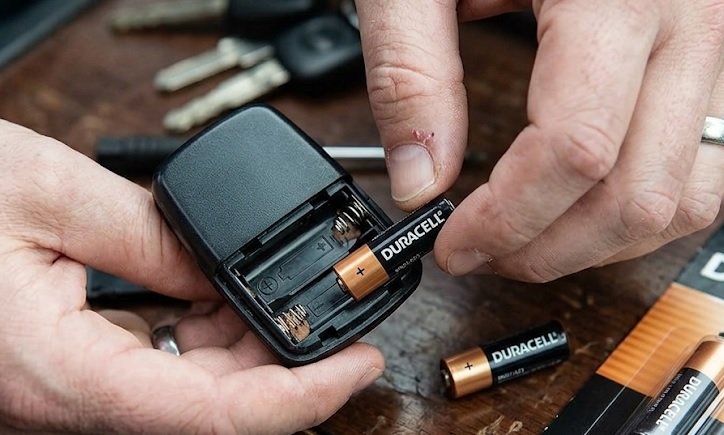
Duracell 23A – Best Overall Choice
The Duracell 23A is the recommended substitute for most 27A applications. It delivers 12V with roughly 55mAh capacity, nearly double the runtime of a standard 27A. Ideal for garage door remotes, car key fobs, and wireless doorbells where reliability matters most.
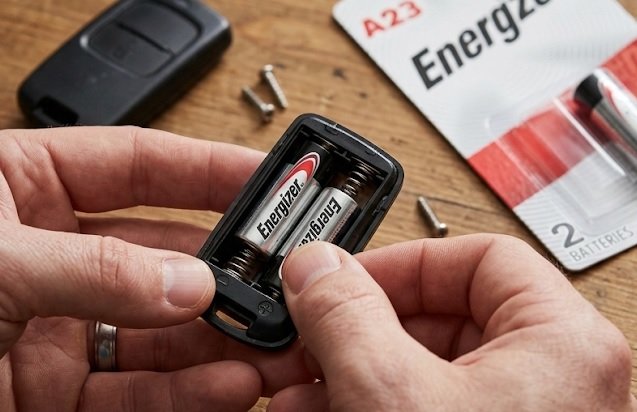
Energizer A23 – Best for Long Shelf Life
The Energizer A23 offers a proven 10-year shelf life, making it the best option for backup drawers and rarely used devices. Its 12V alkaline chemistry matches 27A voltage exactly, and the 10.3mm diameter fits most compatible compartments without modification.
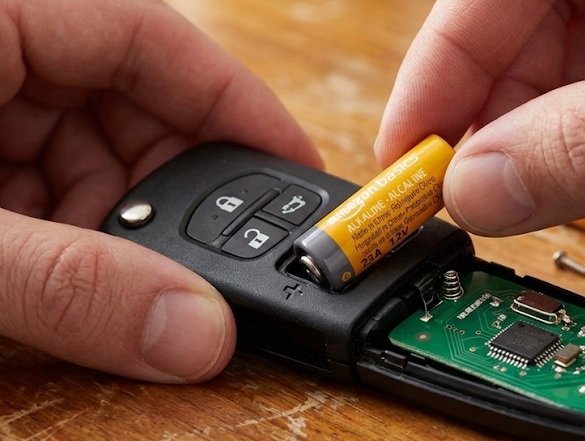
Amazon Basics 23A – Best Budget Multi-Pack
The Amazon Basics 23A 6-pack is ideal for households with multiple remotes. At roughly $0.60 per battery, it undercuts brand-name rivals by 60%. Each cell provides 12V output and reliable performance for doorbells, alarms, and small toys.
What Is a 27A Battery and Which Devices Use It?
A 27A battery is a small 12V alkaline cell measuring just 8mm tall and 8mm in diameter. It powers compact devices that need steady voltage in a tiny package. Understanding its specs helps you choose the right substitute.
Also labeled as MN27, GP27A, or L828, this battery is common in everyday gadgets. Its slim profile fits tight compartments where larger cells won’t work.
Common Devices Powered by 27A Batteries
- Garage door remotes: Most older clickers rely on a single 27A cell.
- Car key fobs: Many transponder remotes use this size.
- Wireless doorbells: Push buttons often run on 27A batteries.
- Burglar alarms: Small sensors and keypads frequently use them.
- Medical devices: Glucose meters and hearing aids sometimes require them.
27A vs 23A vs A23: Key Specs Compared
| Spec | 27A | 23A / A23 |
|---|---|---|
| Voltage | 12V | 12V |
| Height | 8mm | 10mm |
| Diameter | 8mm | 10.3mm |
| Capacity | ~22mAh | ~55mAh |
The main difference is size and capacity. A 23A battery is slightly taller and wider, so it may not fit every 27A compartment. However, it lasts roughly twice as long when it does fit.
Quick Summary
- 27A = 12V, 8mm x 8mm, ~22mAh
- 23A/A23 = 12V, 10mm x 10.3mm, ~55mAh
- Always check compartment clearance before swapping
How to Choose a Compatible Substitute for a 27A Battery
Choosing the right replacement takes less than a minute once you know what to check. Voltage must match first, then physical fit, then capacity. Here’s the step-by-step process.
Step-by-Step Selection Guide
- Confirm the voltage: Your device needs 12V, so only use 12V cells.
- Measure the compartment: Check height and diameter clearance with a ruler.
- Match the terminal layout: Most 27A cells use a single top nub and flat base.
- Pick capacity wisely: Higher mAh means longer life between swaps.
- Test before relying on it: Insert the cell and confirm the device powers on.
Which Substitutes Work Best by Device
- Garage remotes: 23A or A23 fit most models and last longer.
- Key fobs: Stick with 27A if the compartment is shallow.
- Doorbells: A23 is ideal thanks to its higher capacity.
- Alarms and sensors: 23A works well when space allows.
What to Avoid When Substituting
Never use 23A batteries in series to mimic higher voltage, as this can damage circuits. Avoid mixing old and new cells, which causes uneven discharge. Also skip rechargeable 12V alternatives unless the device explicitly supports them.
Quick Summary
- Match voltage (12V) before anything else
- Measure compartment clearance for fit
- Higher mAh = longer runtime
- Never mix old and new batteries
27A Battery Equivalent Chart: Full Cross-Reference List
Many battery codes refer to the same 12V cell, which makes cross-referencing confusing. This chart maps every common equivalent so you can match codes instantly. Use it before buying any replacement.
Common 27A Battery Codes and Equivalents
| Code | Type | Notes |
|---|---|---|
| 27A | Standard | 8mm x 8mm, ~22mAh |
| MN27 | Equivalent | Same cell, different brand |
| GP27A | Equivalent | GP brand labeling |
| L828 | Equivalent | Common in remotes |
| A27 | Equivalent | Alkaline version |
| 23A / A23 | Substitute | Larger, higher capacity |
Which Codes Are True Equivalents vs Substitutes
- True equivalents: MN27, GP27A, L828, and A27 match 27A exactly.
- Close substitutes: 23A and A23 fit most devices but are slightly larger.
- Not compatible: CR123A, LR44, and 12V A23 variants with different chemistry.
Where to Buy 27A Batteries and Substitutes
You can find these cells at most hardware stores, pharmacies, and online retailers. Buying in multi-packs online typically cuts costs by 50-60% per battery. Popular sources include Amazon, Walmart, and specialty electronics shops.
Quick Summary
- MN27, GP27A, L828, A27 = exact 27A equivalents
- 23A and A23 = close substitutes, slightly bigger
- Multi-packs online save 50-60% per cell
Safety Tips and Performance When Using 27A Substitutes
Substituting batteries is safe when you follow a few simple rules. Wrong choices can damage devices or cause leaks. These expert tips keep your electronics protected.
Safe Substitution Practices
- Match voltage exactly: Both 27A and 23A deliver 12V, so they’re safe swaps.
- Check polarity: Insert the cell with the positive terminal facing the marked side.
- Avoid forced fits: If a 23A won’t slide in easily, don’t push it.
- Replace all cells together: In multi-battery devices, swap every cell at once.
How Long Do Substitutes Last?
A standard 27A battery lasts about 6-12 months in typical remote use. A 23A substitute can last up to 18-24 months thanks to its higher capacity. Actual life depends on usage frequency and device draw.
| Battery | Typical Lifespan | Best For |
|---|---|---|
| 27A | 6-12 months | Shallow compartments |
| 23A / A23 | 18-24 months | High-drain devices |
Signs You Need a Replacement
- Weak signal range: Remotes stop working from normal distances.
- Intermittent function: Device works only after repeated presses.
- Visible corrosion: White residue appears on terminals.
Quick Summary
- Match voltage and polarity before inserting
- 23A lasts 18-24 months vs 6-12 for 27A
- Replace all cells together in multi-battery devices
Cost Comparison: 27A vs Compatible Substitutes
Price varies widely depending on where and how you buy. Brand names cost more, but multi-packs slash the per-unit price. Here’s how the options stack up.
Average Price Per Battery
| Battery Type | Single Pack | Multi-Pack (per cell) |
|---|---|---|
| Duracell 23A | $3.50 | $1.20 |
| Energizer A23 | $3.25 | $1.10 |
| Amazon Basics 23A | — | $0.60 |
| Generic 27A | $2.00 | $0.45 |
Buying a 6-pack of Amazon Basics 23A costs less than two single brand-name cells. For households with multiple remotes, bulk buying is the clear winner.
Value vs Performance Trade-Offs
- Premium brands: Higher upfront cost, consistent quality and shelf life.
- Budget multi-packs: Lowest per-cell price, ideal for frequent replacements.
- Generic 27A cells: Cheapest option but variable capacity and lifespan.
When Paying More Makes Sense
For critical devices like medical equipment or security alarms, premium cells are worth it. Their stable voltage output and longer shelf life reduce failure risk. For toys and spare remotes, budget packs work perfectly fine.
Quick Summary
- Multi-packs cut per-cell cost by up to 60%
- Premium brands suit critical devices
- Budget packs are fine for toys and spares
Rechargeable and Specialty Alternatives to 27A Batteries
Disposable cells aren’t your only option. Rechargeable and specialty alternatives exist, but each has trade-offs. Knowing them prevents costly mistakes.
Can You Use Rechargeable 27A Batteries?
True rechargeable 27A cells are rare because the size limits capacity. Most “rechargeable 12V” options use different chemistry and slightly different dimensions. Always verify voltage and fit before committing.
- NiMH 12V cells: Lower nominal voltage (often 10.8V), may underpower devices.
- Li-ion 12V packs: Higher voltage risk, can damage sensitive circuits.
- Standard alkalines: Still the safest, most reliable choice for 27A devices.
Specialty and Hard-to-Find Options
Some devices specify exact brands or chemistry for warranty reasons. In these cases, stick with the manufacturer’s recommendation. Specialty electronics stores and online retailers stock less common variants.
| Option | Voltage | Best Use |
|---|---|---|
| Rechargeable NiMH | 10.8V | Low-drain devices |
| Li-ion 12V | 12V+ | Only if device supports it |
| Alkaline 23A | 12V | Most 27A applications |
When to Skip Rechargeables Entirely
Rechargeables make sense for frequently used, high-drain devices. For remotes and doorbells that sip power slowly, disposables win on convenience and cost. Self-discharge also drains rechargeables faster when idle.
Quick Summary
- True rechargeable 27A cells are rare
- NiMH runs at 10.8V, may underpower devices
- Disposables remain best for low-drain remotes
Troubleshooting Common 27A Battery Replacement Issues
Even a correct substitute can cause problems if something’s off. Most issues trace back to fit, polarity, or contact quality. Here’s how to fix them fast.
Device Won’t Power On After Swapping
- Check polarity: Flip the battery so the positive terminal faces the marked side.
- Clean contacts: Wipe terminals with a dry cloth or pencil eraser.
- Bend contact tabs: Gently lift metal tabs so they press firmly against the cell.
- Test the new cell: A defective battery can arrive dead from the factory.
23A Won’t Fit the Compartment
A 23A battery is 2mm taller and wider than a 27A. If it won’t seat, don’t force it. Instead, source a true 27A equivalent like MN27 or GP27A. Forcing a larger cell can crack the housing or bend terminals.
- Shallow compartments: Use exact 27A equivalents only.
- Slightly deeper bays: A23 may fit with light pressure.
- Never trim or modify a battery to make it fit.
Short Battery Life After Replacement
If a new battery dies within weeks, the device may have a fault. Check for stuck buttons that drain power continuously. Corroded terminals also increase resistance and shorten runtime. In rare cases, the device’s circuit draws more current than the cell can supply.
Quick Summary
- Check polarity and contacts first
- Never force a larger 23A into a tight bay
- Short life signals a device fault, not a bad battery
Conclusion: Finding the Right 27A Battery Substitute
Running out of 27A batteries doesn’t mean your device is stuck. The 23A and A23 cells deliver the same 12V power with even longer runtime.
Always match voltage, check compartment fit, and verify polarity before inserting. These simple steps prevent damage and keep devices running smoothly.
Grab a multi-pack online to save money and stay stocked. Compare specs before you buy, and you’ll never be caught without power again.
Frequently Asked Questions About 27A Battery Substitutes
What is the best substitute for a 27A battery?
The best substitute is a 23A or A23 battery. Both deliver 12V and fit most 27A compartments with room to spare. They also offer higher capacity for longer runtime.
If the compartment is tight, choose a true equivalent like MN27, GP27A, or L828. These match 27A dimensions exactly and avoid fit issues.
Can I use a 23A battery instead of a 27A?
Yes, a 23A works in most devices that take a 27A. Voltage matches at 12V, and the slightly larger size usually still fits. It often lasts longer too.
However, always check the compartment depth first. A 23A is 2mm taller, so shallow bays may not close properly. Never force it in.
Is A23 the same as 27A?
No, A23 and 27A are different sizes. A23 measures 10mm x 10.3mm, while 27A is just 8mm x 8mm. Both share 12V output, though.
A23 works as a substitute when space allows. It’s not an exact equivalent, so fit testing matters before you rely on it.
How long does a 27A battery last?
A standard 27A battery lasts about 6-12 months in typical remote use. Usage frequency and device draw affect actual lifespan significantly.
A 23A substitute can last 18-24 months thanks to its higher capacity. This makes it a smart upgrade for high-drain gadgets.
What happens if I use the wrong battery size?
Using a battery that’s too large can crack the housing or bend terminals. A cell that’s too small may lose contact and fail to power the device.
Wrong voltage is the bigger risk. A non-12V cell can damage circuits permanently. Always verify voltage before inserting any substitute.
Where can I buy 27A battery equivalents?
You’ll find them at hardware stores, pharmacies, and major online retailers. Amazon, Walmart, and specialty electronics shops stock most variants.
Buying multi-packs online typically saves 50-60% per battery. Bulk purchases also ensure you always have a spare on hand.
Are rechargeable 27A batteries worth it?
True rechargeable 27A cells are rare and often lower voltage. Most run at 10.8V, which may underpower sensitive devices. They also self-discharge when idle.
For low-drain remotes and doorbells, disposables remain the better choice. Rechargeables suit frequently used, high-drain devices instead.
How do I know when to replace my 27A battery?
Watch for weak signal range, intermittent function, or visible corrosion. These signs mean the cell is losing power and needs replacing soon.
In multi-battery devices, replace all cells at once. Mixing old and new batteries causes uneven discharge and shortens overall life.