
Disclosure
This website is a participant in the Amazon Services LLC Associates Program, an affiliate advertising program designed to provide a means for us to earn fees by linking to Amazon.com and affiliated sites.
Battery equalization is a controlled overcharge that balances voltage across all cells in a flooded lead-acid battery. This proven method reverses acid stratification, removes sulfation, and extends battery life by years when performed correctly.
This complete guide explains how equalization works, the warning signs that signal it’s time, and expert tips for doing it safely. Keep reading to protect your battery investment and restore lost capacity.
Key Takeaways
- Equalization applies only to flooded lead-acid batteries, never sealed AGM or gel types.
- Perform it every 1–3 months or when cell voltage varies by 0.05V or more.
- It requires 2–4 hours at 10–15% above normal charging voltage.
- Proper ventilation and distilled water top-off before charging prevent damage.
- Skipping equalization shortens battery life and causes permanent capacity loss.
Best Battery Equalization Chargers and Desulfators – Detailed Comparison
NOCO GENIUS G26000 – Best Overall Choice
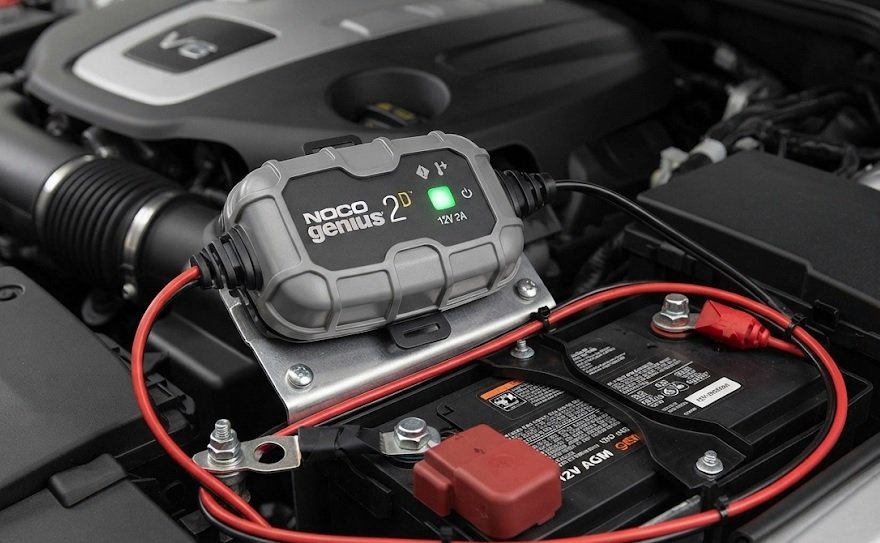
The NOCO GENIUS G26000 is the recommended option for large flooded battery banks. Its 26-amp output and dedicated repair mode deliver a controlled equalizing charge that reverses sulfation. The automatic temperature compensation prevents overcharging, making it ideal for 12V and 24V systems up to 500Ah.
BatteryMINDer 24041-AA-S5 – Best for Maintenance
The BatteryMINDer 24041-AA-S5 is a proven desulfator that combines equalization with long-term maintenance. Its pulse technology breaks down sulfate crystals between full charges, so your batteries stay balanced without constant monitoring. This is the best option for seasonal equipment, RVs, and backup power banks.

Schumacher SC1281 – Best Budget Option
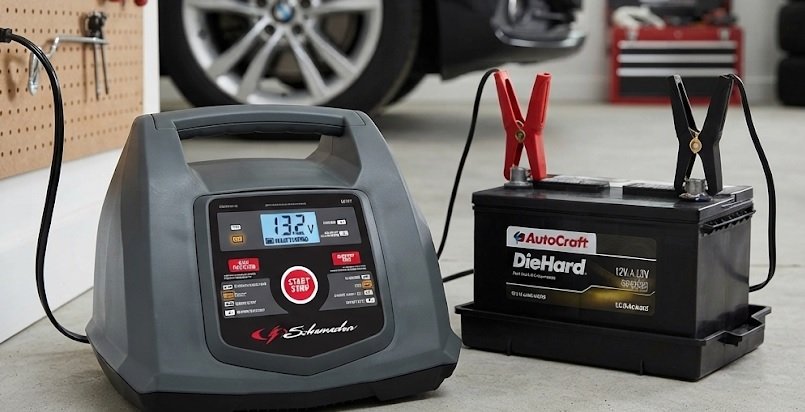
The Schumacher SC1281 offers a fully automatic equalization mode at a fraction of premium prices. With 100-amp engine start and 30-amp boost settings, it handles deep-cycle batteries up to 250Ah. It’s ideal for hobbyists and small solar setups needing reliable performance without the investment.
How Does Battery Equalization Work?
Battery equalization works by deliberately overcharging a flooded lead-acid battery at a controlled voltage. This forces weaker cells to catch up with stronger ones, restoring uniform voltage across the entire bank.
The Science Behind the Process
During normal charging, sulfate crystals build up on battery plates. Equalization uses a higher voltage to break down these crystals and remix stratified acid.
- Voltage boost: Charger raises output to roughly 15.5V for a 12V battery
- Gas bubbling: Controlled gassing stirs the electrolyte and evens acid density
- Cell balancing: Weaker cells absorb extra current until all match
Signs Your Battery Needs Equalization
Recognizing the warning signs early prevents permanent damage. Watch for these indicators during routine maintenance:
- Voltage imbalance: Cells differ by 0.05V or more
- Reduced capacity: Runtime drops noticeably below normal
- Slow charging: Battery takes unusually long to reach full charge
- High specific gravity variance: Hydrometer readings differ between cells
Quick Summary
- Equalization uses controlled overcharging to balance cells
- Gassing remixes stratified acid and removes sulfation
- Voltage gaps above 0.05V signal it’s time to equalize
Understanding these mechanics sets the foundation for knowing exactly when to run the process.
When Should You Equalize Your Battery? Timing Guidelines
Knowing when to equalize prevents unnecessary wear and catches problems early. The right schedule depends on usage patterns, battery age, and how deeply you discharge.
Recommended Equalization Schedule
- Monthly: Heavy cycling in solar banks or golf carts
- Every 2–3 months: Moderate use in RVs and backup systems
- Twice yearly: Light use or seasonal equipment storage
Step-by-Step Equalization Process
- Check water levels: Top off cells with distilled water only
- Verify voltage: Confirm each cell reads within 0.05V
- Set charger: Switch to equalize mode or manual 15.5V setting
- Monitor temperature: Stop if electrolyte exceeds 125°F (52°C)
- Run 2–4 hours: Continue until voltage stabilizes across cells
- Recheck gravity: Confirm hydrometer readings are uniform
When NOT to Equalize
Equalization can destroy certain batteries. Never attempt it on these types:
- AGM batteries: Sealed design vents gas and dries out
- Gel batteries: Bubbles create permanent voids in the gel
- Damaged batteries: Cracked cases or shorted cells risk explosion
- Cold batteries: Below 50°F, gassing becomes ineffective
Quick Summary
- Equalize every 1–3 months based on usage intensity
- Always top off water and monitor temperature during charging
- Never equalize AGM, gel, damaged, or cold batteries
With the timing and safety rules clear, let’s look at the benefits and risks this process delivers.
Benefits and Risks of Battery Equalization Explained
Equalization delivers measurable gains when done correctly, but ignoring the risks can destroy a battery bank. Weighing both sides helps you decide if the process suits your setup.
Key Benefits of Regular Equalization
- Extended lifespan: Adds 1–3 years to flooded batteries
- Restored capacity: Recovers lost runtime from sulfation
- Balanced cells: Prevents weak cells from dragging down the bank
- Better performance: Improves charge acceptance and discharge consistency
Risks and Precautions to Consider
Overcharging generates heat, hydrogen gas, and water loss. Without proper precautions, these effects cause real damage.
- Water depletion: Electrolyte can drop below plate level
- Excessive heat: Temperatures above 125°F warp plates
- Hydrogen buildup: Explosive gas requires ventilation
- Over-equalization: Too frequent cycles corrode positive grids
Flooded vs. Sealed Battery Comparison
| Battery Type | Equalization Safe? | Reason |
|---|---|---|
| Flooded lead-acid | Yes | Vented, water replaceable |
| AGM | No | Sealed, cannot refill water |
| Gel | No | Gel voids form permanently |
| Lithium (LiFePO4) | No | BMS handles cell balancing |
Quick Summary
- Equalization extends flooded battery life by 1–3 years
- Risks include water loss, heat damage, and hydrogen gas
- Only flooded lead-acid batteries are safe to equalize
These trade-offs explain why proper technique and the right equipment matter so much.
Battery Equalization Tips for Long-Lasting Performance
Following proven maintenance habits maximizes the payoff of every equalization cycle. These expert tips prevent common mistakes that shorten battery life.
Best Practices Before You Start
- Top off with distilled water: Never use tap water, which adds minerals
- Clean terminals: Remove corrosion for accurate voltage readings
- Check specific gravity: Record hydrometer values for each cell
- Work in ventilated areas: Hydrogen gas accumulates quickly indoors
Monitoring During Equalization
Active monitoring prevents damage during the 2–4 hour cycle. Check these values every 30 minutes:
- Electrolyte temperature: Keep below 125°F (52°C)
- Cell voltage: Watch for cells that stop rising
- Water levels: Add distilled water if plates become exposed
- Gassing rate: Steady bubbling indicates proper equalization
After Equalization: Essential Follow-Up
Post-cycle checks confirm success and catch lingering problems. Skipping this step wastes the entire effort.
- Recheck specific gravity: All cells should read within 0.010
- Refill water: Top off cells after the battery cools
- Log results: Track voltage trends over months
- Neutralize spills: Use baking soda on any acid residue
Quick Summary
- Use distilled water and clean terminals before starting
- Monitor temperature and voltage every 30 minutes
- Verify specific gravity and refill water afterward
Pairing these habits with the right charger turns equalization into a simple, repeatable routine.
Common Battery Equalization Mistakes to Avoid
Even experienced users make errors that undermine results or damage batteries. Recognizing these pitfalls saves money and frustration.
Top Mistakes That Ruin Batteries
- Equalizing sealed batteries: AGM and gel types vent gas permanently and dry out
- Skipping water checks: Plates exposed to air corrode and fail
- Charging in closed spaces: Hydrogen gas buildup creates explosion risk
- Ignoring temperature: Heat above 125°F warps plates and shortens life
- Over-equalizing: Weekly cycles corrode positive grids prematurely
How to Troubleshoot Uneven Cells
Persistent voltage gaps after equalization signal deeper problems. Diagnose these issues before repeating the cycle.
- Test specific gravity: A cell reading below 1.200 indicates failure
- Inspect for shorts: Look for sediment bridging plates at the bottom
- Check charger output: Verify it reaches the correct equalize voltage
- Replace weak cells: One bad cell drags down the entire bank
When to Replace Instead of Equalize
Some batteries are beyond saving. Equalization cannot reverse physical damage or restore worn-out plates.
- Age over 5–6 years: Plate erosion is irreversible
- Cracked case: Leaks and shorts make the battery unsafe
- Persistent low gravity: Cells that never recover after two cycles
- Swollen plates: Physical deformation signals end of life
Quick Summary
- Never equalize sealed, hot, or water-depleted batteries
- Troubleshoot uneven cells with gravity tests and inspection
- Replace batteries over 5–6 years old or with physical damage
Avoiding these mistakes keeps your battery bank healthy for years of reliable service.
Battery Equalization vs. Desulfation: What’s the Difference?
These two terms often get confused, yet they describe different processes with distinct goals. Understanding the difference helps you choose the right maintenance approach.
Key Differences at a Glance
| Factor | Equalization | Desulfation |
|---|---|---|
| Method | Controlled overcharge | Pulse or high-frequency current |
| Duration | 2–4 hours | Days to weeks |
| Primary goal | Balance cells, mix acid | Dissolve sulfate crystals |
| Frequency | Monthly to quarterly | Continuous or as needed |
How Each Process Works
Equalization targets voltage imbalance and acid stratification through deliberate gassing. Desulfation focuses on reversing crystal buildup that reduces capacity over time.
- Equalization: Raises voltage to 15.5V, forcing weak cells to catch up
- Desulfation: Sends pulses that break apart sulfate crystals on plates
- Combined approach: Many chargers run both for complete restoration
Which One Does Your Battery Need?
Match the process to your battery’s symptoms for best results. Using the wrong method wastes time and may cause damage.
- Uneven cell voltage: Choose equalization
- Lost capacity after storage: Try desulfation first
- Stratified electrolyte: Equalization is the answer
- Long-term neglected battery: Combine both methods
Quick Summary
- Equalization balances cells; desulfation removes crystals
- Equalization takes hours; desulfation takes days or weeks
- Many smart chargers combine both processes automatically
Choosing the right process depends on your battery’s specific symptoms and history.
Battery Equalization for Solar, RV, and Golf Cart Systems
Different applications place unique demands on flooded batteries. Tailoring your equalization routine to each system maximizes performance and lifespan.
Solar Power Systems
Solar banks cycle deeply and often, accelerating stratification. Monthly equalization keeps cells balanced through heavy daily discharge.
- Frequency: Every 4–6 weeks during peak season
- Timing: Run during full sun for ample charging current
- Watch for: Shading issues causing uneven cell stress
RV and Marine Batteries
Seasonal use and long storage periods create sulfate buildup. Equalize before storage and again after waking the bank.
- Frequency: Every 2–3 months of active use
- Before storage: Full charge plus equalization
- After storage: Recharge and equalize to restore capacity
Golf Cart Battery Banks
Golf carts demand high current and deep cycling daily. These conditions make equalization essential for consistent range.
- Frequency: Every 2–4 weeks during golf season
- Water checks: Weekly, since heavy gassing depletes water fast
- Best practice: Equalize after a full charge, never before
Application Frequency Comparison
| System | Recommended Frequency | Typical Voltage |
|---|---|---|
| Solar bank | Every 4–6 weeks | 12V, 24V, 48V |
| RV / Marine | Every 2–3 months | 12V |
| Golf cart | Every 2–4 weeks | 36V, 48V |
Quick Summary
- Solar banks need equalization every 4–6 weeks
- RV and marine batteries require it every 2–3 months
- Golf carts benefit from equalizing every 2–4 weeks
Matching frequency to your system’s workload keeps batteries performing at peak capacity.
Conclusion: Mastering Battery Equalization for Longer Battery Life
Battery equalization is a proven method to restore capacity, balance cells, and extend flooded lead-acid battery life. When done correctly, it prevents sulfation and reverses acid stratification.
Always verify your battery type, top off with distilled water, and monitor temperature throughout the cycle. Consistency matters more than intensity.
Grab a quality charger like the NOCO GENIUS G26000 and start your equalization routine today.
Your batteries will reward you with years of reliable performance.
Frequently Asked Questions About Battery Equalization
What voltage should I use to equalize a 12V battery?
Most manufacturers recommend 15.5V to 16.2V for a 12V flooded battery. This is roughly 10–15% above the normal absorption voltage of 14.4V.
Always check your battery’s datasheet first. Some brands specify lower limits, and exceeding them causes excessive gassing, water loss, and plate corrosion.
How long does battery equalization take?
A typical equalization cycle runs 2 to 4 hours after the battery reaches full charge. The exact time depends on bank size and how imbalanced the cells are.
Stop when voltage stabilizes across all cells or when electrolyte temperature hits 125°F. Longer is not better—over-equalizing damages positive grids.
Can I equalize an AGM or gel battery?
No. AGM and gel batteries are sealed and cannot be equalized safely. The high voltage vents gas permanently and dries out the electrolyte.
Sealed batteries rely on their own internal recombination. If you need balancing, choose a charger with a gentle AGM-specific mode instead.
How often should I equalize my batteries?
Most flooded batteries need equalization every 1 to 3 months. Heavy cycling systems like golf carts may need it every 2–4 weeks.
Also equalize whenever cell voltage varies by 0.05V or more. Track specific gravity readings to fine-tune your schedule over time.
Do I need to add water before equalizing?
Yes, but only enough to cover the plates. Never fill to the maximum line before equalizing, since gassing causes overflow.
Top off with distilled water only. After the cycle finishes and the battery cools, refill to the proper level.
Why is my battery still unbalanced after equalization?
Persistent imbalance usually means a failing cell or internal short. Equalization cannot repair physical plate damage.
Test specific gravity in each cell. Readings below 1.200 after two cycles indicate the battery needs replacement.
Is battery equalization the same as desulfation?
No. Equalization uses controlled overcharging to balance cells and mix electrolyte. Desulfation uses pulse current to dissolve sulfate crystals.
Many smart chargers combine both processes. Match the method to your battery’s symptoms for the best results.
What is the best way to equalize batteries safely?
Work in a well-ventilated area, wear safety glasses, and remove jewelry. Verify water levels, clean terminals, and confirm charger settings before starting.
Monitor temperature and voltage every 30 minutes. Stop immediately if the electrolyte exceeds 125°F or gassing becomes violent.