
Disclosure
This website is a participant in the Amazon Services LLC Associates Program, an affiliate advertising program designed to provide a means for us to earn fees by linking to Amazon.com and affiliated sites.
Battery self-discharge rates by chemistry vary widely, from 2% per month for lithium-ion to over 20% per month for nickel-based cells. Choosing the right chemistry protects your devices and saves money.
This complete guide compares self-discharge rates across every major battery type. You’ll also discover expert tips to slow capacity loss and extend battery shelf life. Keep reading to find the best chemistry for your needs.
Key Takeaways
- Lithium-ion self-discharges just 2-3% monthly, the lowest of any chemistry.
- Nickel-based cells lose 15-20% monthly and need recharging every few weeks.
- Heat is the biggest accelerator, often doubling self-discharge rates.
- Rechargeable batteries always self-discharge faster than primary cells.
- Cool, dry storage at 50% charge minimizes capacity loss.
Best Battery Products for Managing Self-Discharge – Detailed Comparison
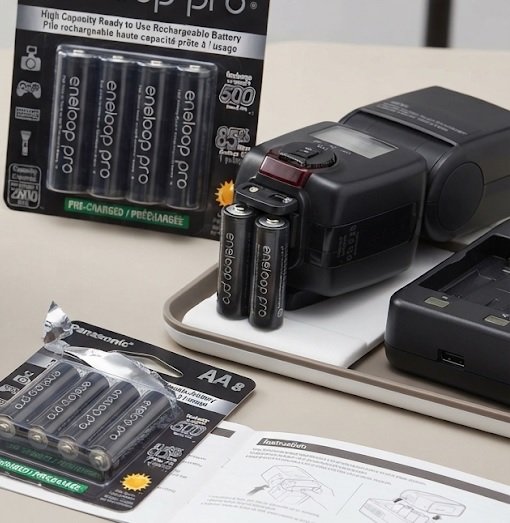
Panasonic Eneloop Pro AA (BK-3HCCA4BA) – Best Overall Choice
The Panasonic Eneloop Pro is the best option for low self-discharge among rechargeable AAs. It retains 85% capacity after one year of storage, far outperforming standard NiMH cells. Ideal for cameras, flashes, and gaming controllers that sit unused for weeks between sessions.
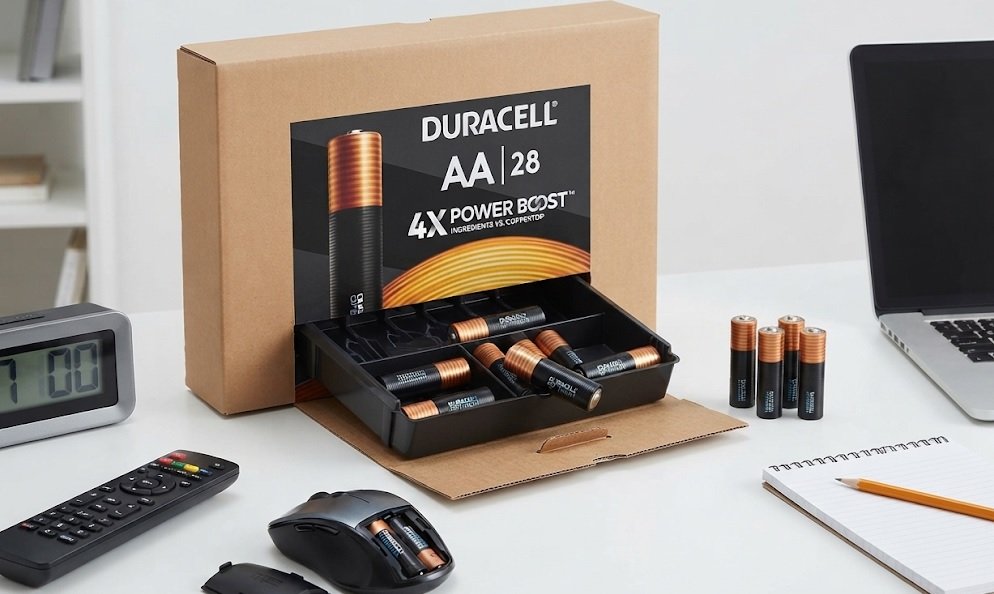
Duracell Optimum AA (OPT1500) – Best for Long Shelf Life
The Duracell Optimum is recommended for rarely used devices like smoke detectors and remote controls. Its alkaline chemistry holds power for up to 10 years in storage, and Power Boost ingredients deliver extra output for high-drain electronics when you finally switch them on.
Anker 622 MagGo Power Bank (A1611) – Best for Portable Charging
The Anker 622 MagGo is ideal for travelers who need reliable backup power. Its lithium-polymer cells self-discharge under 3% monthly, so it stays ready for months. The magnetic wireless charging and slim 5,000mAh design make it a dependable everyday carry companion.

What Causes Battery Self-Discharge and Why It Matters
Self-discharge is the gradual loss of stored energy when a battery sits unused. All chemistries experience it, but the rate depends on internal chemistry, temperature, and cell design. Understanding the cause helps you pick the right battery and store it properly.
Internal Chemical Reactions
Every battery slowly consumes its own charge through side reactions inside the cell. These reactions happen even with no load connected, which is why a “full” battery can arrive dead after months on a shelf.
Temperature and Storage Conditions
Heat dramatically accelerates self-discharge. A cell stored at 40°C can lose capacity twice as fast as one kept at 20°C.
- Heat: Doubles or triples monthly loss in nickel and lead-acid cells
- Humidity: Corrodes terminals and increases leakage current
- State of charge: Storing lithium-ion at 100% speeds permanent capacity fade
Why Self-Discharge Matters for Real Devices
High self-discharge means dead devices when you need them most. Smoke detectors, emergency flashlights, and backup power banks all depend on cells that hold charge for months. Choosing a low self-discharge chemistry prevents surprise failures and extends replacement cycles.
Quick Summary
- Self-discharge occurs through internal chemical side reactions.
- Heat is the single biggest accelerator of capacity loss.
- Low self-discharge chemistries protect rarely used devices.
Battery Self-Discharge Rates by Chemistry: Full Comparison
Self-discharge rates differ dramatically across chemistries. The table below shows typical monthly losses at room temperature, giving you a quick reference for choosing the right cell.
| Chemistry | Monthly Self-Discharge | Rechargeable? |
|---|---|---|
| Lithium-ion | 2-3% | Yes |
| Lithium primary (LiFeS2) | 1-2% | No |
| Lead-acid | 4-6% | Yes |
| NiMH (standard) | 15-20% | Yes |
| NiMH (LSD) | 3-4% | Yes |
| NiCd | 15-20% | Yes |
| Alkaline | 2-3% | No |
Lithium-Based Chemistries: The Lowest Self-Discharge
Lithium-ion and lithium primary cells lose the least charge during storage. Their low self-discharge rate makes them ideal for infrequently used electronics.
- Lithium-ion: 2-3% monthly, best for phones and power banks
- Lithium primary: 1-2% monthly, perfect for smoke alarms
- LiFePO4: 2-3% monthly, popular for solar storage
Nickel-Based Chemistries: The Highest Self-Discharge
Standard NiMH and NiCd cells lose charge fastest, often draining fully within weeks. However, low self-discharge (LSD) NiMH variants like Eneloop reduce this to just 3-4% monthly.
Lead-Acid and Alkaline Cells
Lead-acid batteries self-discharge 4-6% monthly and need periodic top-up charging. Alkaline primaries hold charge well at 2-3% monthly but cannot be recharged.
Quick Summary
- Lithium chemistries lose the least charge in storage.
- Standard NiMH and NiCd drain fastest at 15-20% monthly.
- LSD NiMH cells combine rechargeability with low loss.
How to Reduce Battery Self-Discharge: Proven Storage Tips
You cannot stop self-discharge entirely, but you can slow it dramatically. These proven methods keep your cells ready for months of storage.
Optimal Storage Conditions
Environment matters more than any other factor. Follow these guidelines to minimize charge loss:
- Store cool: Keep batteries at 15-20°C, ideally in a refrigerator
- Stay dry: Avoid humid areas that corrode terminals
- Shield from sunlight: UV and heat degrade cells faster
- Use original packaging: Prevents short circuits between loose cells
Ideal State of Charge for Storage
Different chemistries prefer different storage charges. Storing at the wrong level causes permanent damage.
- Lithium-ion: Store at 40-50% charge, never full
- Lead-acid: Keep fully charged and top up monthly
- NiMH: Store discharged, then recharge before use
Recharging Schedules That Work
For rarely used devices, set a calendar reminder to recharge every few months. Lead-acid batteries need topping up every 4-6 weeks. Lithium-ion packs can safely sit for 6-12 months at 50% charge.
Quick Summary
- Cool, dry storage slows self-discharge the most.
- Lithium-ion stores best at 40-50% charge.
- Recharge lead-acid batteries every 4-6 weeks.
Which Battery Chemistry Should You Choose?
Picking the right chemistry depends on how often you use the device. Match the battery to your usage pattern for the best performance.
Best Chemistry for Rarely Used Devices
Devices that sit idle for months need low self-discharge cells. Choose accordingly:
- Smoke detectors: Lithium primary (10-year shelf life)
- Emergency flashlights: Lithium primary or LSD NiMH
- Backup power banks: Lithium-ion at 50% charge
Best Chemistry for Frequent Use
If you recharge weekly, self-discharge matters less. Standard NiMH and lithium-ion both work well here.
- Cameras and flashes: LSD NiMH like Eneloop Pro
- Phones and laptops: Lithium-ion
- Power tools: Lithium-ion or NiCd for high drain
Cost vs. Performance Trade-Offs
Low self-discharge batteries cost more upfront but last longer in storage. Standard NiMH cells are cheaper but require frequent recharging. For devices you check twice a year, the premium is worth it.
| Use Case | Recommended Chemistry |
|---|---|
| Smoke alarms | Lithium primary |
| Daily cameras | LSD NiMH |
| Solar storage | LiFePO4 |
| Toys and remotes | Alkaline or LSD NiMH |
Quick Summary
- Rarely used devices need lithium or LSD NiMH cells.
- Frequent-use devices tolerate higher self-discharge.
- Low self-discharge batteries justify their higher price.
Testing and Measuring Battery Self-Discharge at Home
You can measure self-discharge yourself with a few simple tools. This helps you identify weak cells before they fail in critical devices.
Tools You Need
A basic digital multimeter is enough for most testing. Pair it with a known load and a notebook to track voltage over time.
- Digital multimeter: Measures voltage and capacity
- Battery tester: Gives quick pass/fail readings
- Smart charger: Displays capacity in mAh
Step-by-Step Testing Process
Follow these steps to track self-discharge accurately:
- Charge fully: Bring the cell to 100% using a smart charger
- Record voltage: Note the resting voltage after 1 hour
- Store for 7 days: Keep at room temperature, unused
- Re-measure: Compare voltage drop against the baseline
- Calculate loss: Divide voltage drop by days, multiply by 30
Interpreting Your Results
A healthy lithium-ion cell should drop less than 0.1V in a week. NiMH cells may drop 0.2-0.3V, which is normal. Anything higher suggests a failing cell that needs replacement.
Quick Summary
- A multimeter and smart charger are enough to test cells.
- Track voltage over 7 days to calculate monthly loss.
- Large voltage drops signal a failing battery.
Common Myths About Battery Self-Discharge Explained
Many people misunderstand how batteries lose charge. Separating fact from fiction helps you store and maintain cells correctly.
Myth 1: The Freezer Stops Self-Discharge
Freezing does not stop self-discharge, and it can damage some cells. Cold slows the reaction, but condensation and extreme temperatures harm lithium-ion packs. A cool, dry drawer at 15-20°C is safer than a freezer.
Myth 2: All Rechargeable Batteries Drain Equally
This is false. Standard NiMH cells lose 15-20% monthly, while lithium-ion loses just 2-3%. Low self-discharge NiMH variants close much of that gap. Chemistry, not rechargeability, determines the rate.
Myth 3: A Dead Battery Means It’s Defective
A device that dies after months in storage is often fine. The cell simply self-discharged, which is normal behavior. Recharge it and test again before assuming it has failed.
Myth 4: Full Charge Is Best for Storage
Storing lithium-ion at 100% actually accelerates permanent capacity loss. Most manufacturers recommend 40-50% charge for long-term storage. Lead-acid is the exception, where full charge prevents sulfation.
Quick Summary
- Freezing batteries does not stop self-discharge.
- Chemistry, not rechargeability, sets the drain rate.
- Store lithium-ion at 40-50% charge, not full.
Real-World Impact of Self-Discharge on Devices
Self-discharge affects everyday devices in ways most people never notice. Understanding these effects helps you plan replacements and avoid frustrating failures.
Devices Most Affected by Self-Discharge
Some devices suffer more than others from charge loss during storage. These are the biggest victims:
- Smoke detectors: A dying chirp at 3am usually means self-discharge drained the cell
- Emergency flashlights: Dead when you need them most after months in a drawer
- Power banks: Lose charge slowly, so they may arrive empty when travel day comes
- Lawn equipment: Lead-acid mowers sit all winter and drain 4-6% monthly
Financial and Safety Consequences
Self-discharge costs money through premature replacements and wasted cells. More seriously, a dead smoke detector battery risks lives. Choosing low self-discharge chemistries prevents both problems.
How Manufacturers Combat Self-Discharge
Brands use several strategies to slow charge loss in their products:
- LSD NiMH formulations: Eneloop and similar cells add separators that reduce reactions
- Smart battery management: Chips in lithium packs monitor and balance cells
- Sealed designs: Better seals prevent electrolyte leakage and moisture ingress
- Pre-charged shipping: Many LSD cells ship ready to use after years on shelves
Quick Summary
- Smoke detectors and emergency lights suffer most from self-discharge.
- Dead cells cost money and create safety risks.
- LSD formulations and smart chips slow charge loss.
Conclusion: Mastering Battery Self-Discharge Rates by Chemistry
Battery self-discharge rates by chemistry range from 2% to 20% monthly. Lithium-ion and lithium primary cells lose the least charge, while standard NiMH drains fastest.
Store cells cool, dry, and at the right charge level to maximize shelf life. Match your chemistry to how often you use each device.
Check your smoke detectors and emergency gear today. Replace weak cells with low self-discharge options.
Smart battery choices keep your devices ready whenever you need them.
Frequently Asked Questions about Battery Self-Discharge Rates by Chemistry
What is a normal self-discharge rate for a battery?
A normal self-discharge rate ranges from 1% to 20% per month, depending on chemistry. Lithium-ion sits lowest at 2-3%, while standard NiMH loses 15-20% monthly.
Anything above these ranges suggests a defective or aging cell. Test suspicious batteries with a multimeter before replacing them.
Which battery chemistry has the lowest self-discharge rate?
Lithium primary cells (LiFeS2) lose the least charge at just 1-2% monthly. Lithium-ion follows closely at 2-3%, making both ideal for long-term storage.
Alkaline primaries also perform well at 2-3% monthly, though they cannot be recharged. For rechargeable options, choose lithium-ion or LSD NiMH.
How do I calculate battery self-discharge rate?
Charge the cell fully, record its resting voltage, and store it unused for seven days. Re-measure the voltage and divide the drop by days, then multiply by 30.
Compare your result against typical rates for that chemistry. A larger drop than expected signals a failing cell that needs replacement.
Does temperature really affect battery self-discharge?
Yes, temperature is the single biggest accelerator of self-discharge. A cell stored at 40°C can lose capacity twice as fast as one kept at 20°C.
Cool storage around 15-20°C dramatically slows charge loss. Avoid hot cars, direct sunlight, and warm garages for long-term storage.
Is it better to store batteries charged or discharged?
It depends on chemistry. Store lithium-ion at 40-50% charge, keep lead-acid fully charged, and store NiMH discharged before recharging.
Never store lithium-ion at 100% for months, as this causes permanent capacity fade. Following the right state of charge protects long-term health.
Why do my rechargeable batteries lose charge so quickly?
Standard NiMH and NiCd cells naturally lose 15-20% monthly, so fast drain is often normal. Heat, humidity, and age accelerate the loss further.
Switch to low self-discharge NiMH cells like Eneloop if you need long shelf life. These hold 85% capacity after a full year.
What is the best way to store batteries long-term?
Keep cells cool, dry, and away from sunlight in original packaging. Store lithium-ion at 50% charge and lead-acid fully charged.
Set a reminder to top up lead-acid batteries every 4-6 weeks. Lithium packs can safely sit 6-12 months without attention.
Can self-discharge permanently damage a battery?
Self-discharge itself does not damage cells, but deep discharge can. If voltage drops too low, lithium-ion cells may become unrecoverable.
Recharge stored batteries periodically to prevent over-discharge. This simple habit extends lifespan and prevents permanent capacity loss.