
Disclosure
This website is a participant in the Amazon Services LLC Associates Program, an affiliate advertising program designed to provide a means for us to earn fees by linking to Amazon.com and affiliated sites.
A bigger battery does not automatically make a car start better. What truly matters is cold cranking amps (CCA), reserve capacity, and the correct fit for your vehicle. Choosing the right battery size delivers reliable starts, not simply more power.
This complete guide breaks down how battery size affects starting performance, when a larger battery actually helps, and the risks of going too big. Keep reading for expert tips on matching the ideal battery to your car, climate, and driving habits.
Key Takeaways
- Cold cranking amps (CCA), not physical size, determine starting power.
- Oversized batteries can damage alternators and void warranties.
- Match group size and CCA to your owner’s manual specs.
- Cold climates demand 10-20% more CCA than standard ratings.
- Undersized batteries strain starters and shorten battery life.
Best Car Batteries for Reliable Starting – Detailed Comparison
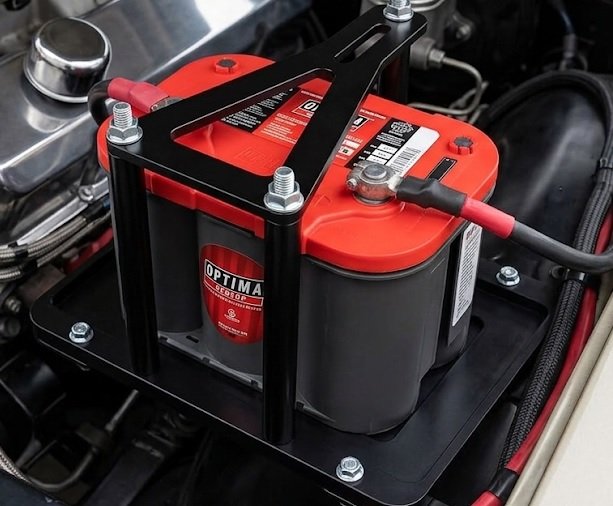
Optima RedTop 35 – Best Overall Choice
The Optima RedTop 35 is the best option for drivers wanting proven starting power. Its 720 cold cranking amps and spill-proof SpiralCell design deliver strong, consistent starts in extreme temperatures. Recommended for daily drivers, trucks, and SUVs, it resists vibration damage far better than standard flooded batteries.
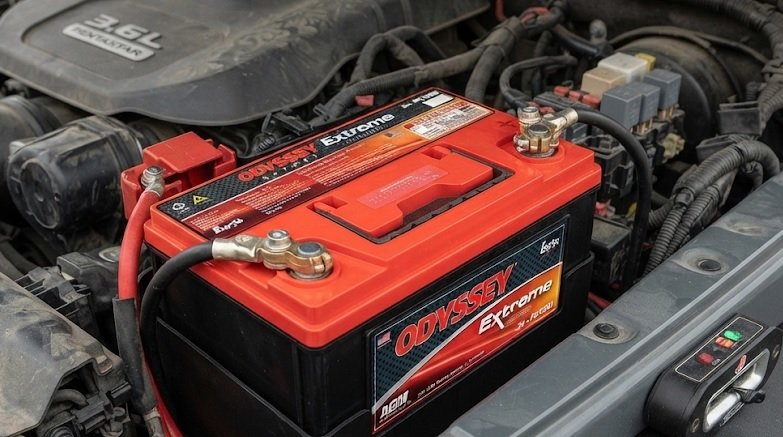
Odyssey Extreme Series 34/78-PC1500 – Best for Cold Climates
The Odyssey Extreme 34/78-PC1500 is ideal for freezing winters and high-demand vehicles. It delivers 1,500 pulse cranking amps and 850 CCA, plus a longer reserve capacity than most rivals. Its absorbed glass mat (AGM) build handles deep discharges, making it recommended for winches and off-road use.
DieHard Platinum AGM 94R – Best Value AGM Option
The DieHard Platinum AGM 94R offers a strong balance of price and performance. With 850 CCA and a 4-year free replacement warranty, it suits modern cars packed with electronics. This battery is a reliable best option for start-stop systems and daily commuting without premium pricing.

How Battery Size Affects Car Starting Performance
Battery size alone doesn’t determine starting power. What matters is how much current a battery delivers in the first critical seconds. Understanding these ratings helps you choose wisely.
Cold Cranking Amps (CCA): The Real Measure of Starting Power
Cold cranking amps measure the current a battery delivers at 0°F for 30 seconds while staying above 7.2 volts. This rating, not physical dimensions, decides whether your engine turns over reliably on a freezing morning.
- Higher CCA: Faster, more dependable cold starts
- Lower CCA: Slower cranking and possible no-starts in winter
- Rule of thumb: Add 10-20% more CCA for cold climates
Reserve Capacity and Group Size Explained
Reserve capacity shows how long a battery powers your car if the alternator fails. Group size refers to the battery’s physical dimensions and terminal layout, which must fit your vehicle’s tray securely.
When a Bigger Battery Actually Helps
A larger battery improves starting only when it offers higher CCA within the same group size. Common scenarios where extra capacity pays off:
- Cold climates: Engines need more cranking power below freezing
- High-draw accessories: Winches, plows, and sound systems drain power
- Infrequent driving: Larger reserve capacity tolerates longer sits
Quick Summary
- CCA, not size, determines cold-start power
- Group size must match your vehicle’s tray
- Extra capacity helps in cold weather and with accessories
Now that you understand the ratings, let’s examine the risks of installing an oversized battery.
Risks of Installing an Oversized Car Battery
Bigger isn’t always better. An oversized battery can create real problems, from charging issues to physical damage. Here’s what to watch for.
Alternator Overload and Charging Problems
Your alternator is designed to recharge a battery within a specific capacity range. A larger battery demands more charging current, forcing the alternator to work harder than intended.
- Overheating: Continuous strain shortens alternator life
- Slow recharging: The battery never reaches full charge
- Electrical strain: Other components may receive unstable voltage
Physical Fit and Safety Concerns
Batteries must sit securely in the tray and connect properly to terminals. An oversized unit often fails both requirements.
- Loose mounting: Vibration damages internal plates and terminals
- Terminal mismatch: Cables may not reach or clamp correctly
- Hood clearance: Tall batteries can contact the hood or short out
Warranty and Computer System Issues
Modern vehicles monitor battery voltage through onboard computers. Installing the wrong size can trigger error codes or confuse the charging system.
- Voided warranty: Dealers may reject claims for incorrect installations
- Start-stop failure: Systems calibrated for specific specs may malfunction
- Registration errors: Many cars require battery registration after replacement
Quick Summary
- Oversized batteries strain alternators
- Poor fit causes vibration damage and safety risks
- Wrong specs can void warranties and trigger errors
So how do you pick the right battery? Let’s walk through the proven selection process.
How to Choose the Right Battery Size for Your Car
Selecting the correct battery comes down to matching three specifications: group size, CCA, and technology type. Follow this proven process for dependable starts.
Step-by-Step Battery Selection Process
- Check your owner’s manual: Find the recommended group size and minimum CCA
- Inspect the current battery label: Note its group size, CCA, and type
- Match or exceed CCA: Never go below the factory rating
- Confirm physical fit: Measure the tray, height, and terminal positions
- Choose battery type: Flooded, AGM, or gel based on your vehicle
Battery Type Comparison
Not all batteries suit every vehicle. Modern cars with start-stop systems typically require AGM technology.
| Type | Best For | Typical Lifespan |
|---|---|---|
| Flooded | Older cars, budget buyers | 3-5 years |
| AGM | Start-stop, electronics-heavy cars | 4-7 years |
| Gel | Deep-cycle, specialty use | 5-7 years |
Climate and Driving Habits Matter
Your environment and routine directly affect the battery capacity you need.
- Cold climates: Choose 10-20% higher CCA than minimum specs
- Short trips: Consider AGM for better recharge tolerance
- Accessory-heavy setups: Prioritize higher reserve capacity
Quick Summary
- Match group size and meet minimum CCA
- AGM suits modern start-stop vehicles
- Cold weather and short trips demand extra capacity
With the right specs in hand, let’s separate fact from fiction with common battery myths.
Common Myths About Bigger Car Batteries Debunked
Misinformation about car batteries leads many drivers to waste money or damage their vehicles. Let’s separate fact from fiction.
Myth 1: A Bigger Battery Always Means Better Starting
Physical size has no direct link to starting power. A compact battery with high CCA outperforms a larger unit with lower ratings every time.
- Fact: CCA ratings determine cranking strength
- Fact: Group size only describes dimensions and terminals
- Fact: Exceeding specs rarely improves real-world starts
Myth 2: More CCA Is Always Safer
Extra CCA within the correct group size is generally harmless. However, wildly exceeding recommendations offers no benefit and may strain charging systems.
Myth 3: Any Battery Fits If It Starts the Car
A battery that “works” today can cause problems tomorrow. Incorrect group sizes lead to loose mounting, vibration damage, and premature failure.
Myth 4: Bigger Batteries Last Longer
Battery lifespan depends on chemistry, charging habits, and climate, not physical size. An oversized flooded battery often dies sooner than a properly matched AGM unit.
| Myth | Reality |
|---|---|
| Bigger = better starting | CCA matters most |
| More CCA always safer | Match factory specs |
| Any size fits | Group size must match |
| Bigger lasts longer | Chemistry and care decide |
Quick Summary
- Size doesn’t equal starting power—CCA does
- Correct group size prevents damage
- Lifespan depends on chemistry, not dimensions
Understanding these myths helps you avoid costly mistakes. Next, let’s cover maintenance tips that maximize battery life.
Battery Maintenance Tips for Better Starting Performance
A properly maintained battery starts your car reliably, regardless of size. These expert tips extend lifespan and prevent surprise failures.
Routine Inspection and Cleaning
Small maintenance habits prevent big problems. Check your battery every few months, especially before winter.
- Clean terminals: Remove corrosion with a wire brush and baking soda solution
- Tighten connections: Loose cables cause voltage drops and slow cranking
- Inspect casing: Cracks or swelling signal replacement time
Charging Habits That Preserve Battery Life
How you drive affects how long your battery lasts. Short trips never fully recharge a battery, gradually reducing its capacity.
- Drive longer distances: At least 20 minutes to allow full recharge
- Use a trickle charger: Ideal for stored or infrequently driven vehicles
- Limit accessory drain: Turn off lights and electronics before shutting down
- Test voltage regularly: A healthy resting battery reads 12.4-12.7 volts
Warning Signs Your Battery Needs Replacement
Catching failure early prevents being stranded. Watch for these clear indicators.
- Slow cranking: Engine turns over sluggishly, especially in cold weather
- Dim lights: Headlights flicker or weaken at idle
- Age over 4 years: Most batteries near the end of their service life
Quick Summary
- Clean terminals and tighten connections regularly
- Longer drives and trickle chargers preserve capacity
- Slow cranking and dim lights signal replacement
Proper care keeps any correctly sized battery performing at its best. Now let’s answer the question directly with a final verdict.
Does a Bigger Battery Make a Car Start Better? The Final Verdict
The short answer is no—not by itself. A bigger battery only improves starting when it delivers higher CCA within the correct group size for your vehicle.
What Actually Determines Starting Power
Starting performance depends on a combination of factors, not physical dimensions alone.
- Cold cranking amps (CCA): The primary measure of cranking strength
- Battery health: Age and charge level matter more than size
- Correct fit: Proper group size ensures secure, efficient connections
- Condition of components: Starter, alternator, and cables all play a role
When Upgrading Battery Size Makes Sense
There are legitimate situations where a larger or higher-capacity battery helps.
- Cold climate driving: Higher CCA handles freezing temperatures better
- Power-hungry accessories: Winches and audio systems need extra reserve
- Infrequent use: More reserve capacity tolerates longer downtime
- Aging electrical systems: A fresh, properly rated battery restores reliability
When Bigger Is Simply Wrong
Installing an oversized battery without matching specs creates more problems than it solves.
- Alternator strain: Overworking the charging system shortens its life
- Fitment issues: Loose batteries suffer vibration damage
- Wasted money: Extra capacity you can’t use delivers no benefit
| Scenario | Bigger Battery Helps? |
|---|---|
| Cold winters | Yes, with higher CCA |
| Daily commuting | No, match factory specs |
| Heavy accessories | Yes, for reserve capacity |
| Random upsizing | No, risks damage |
Quick Summary
- CCA and correct fit beat raw size every time
- Upgrade only for cold climates or high-draw accessories
- Random upsizing strains alternators and wastes money
The bottom line: match your battery to factory specifications, then upgrade capacity only when your driving conditions truly demand it.
Battery Size vs. Battery Power: What Really Matters for Cold Starts
Many drivers confuse physical size with actual power. Understanding the difference helps you buy the right battery the first time.
Why Physical Dimensions Don’t Equal Power
A battery’s exterior dimensions simply describe how it fits in your vehicle. Two batteries of identical size can have wildly different power ratings.
- Group size: Defines length, width, height, and terminal placement
- Internal design: Plate thickness and chemistry determine output
- CCA rating: The true measure of cold-start capability
Key Specifications to Compare Before Buying
When shopping for a replacement battery, compare these numbers instead of physical size.
| Specification | What It Tells You |
|---|---|
| CCA | Cold-weather cranking power |
| CA/MCA | Cranking amps at higher temperatures |
| Reserve capacity | Runtime if the alternator fails |
| Ah (amp-hour) | Total energy storage capacity |
Real-World Example: Same Size, Different Performance
Consider two Group 35 batteries. One delivers 640 CCA, while the other offers 720 CCA in an identical case. The higher-rated unit starts your car more confidently on freezing mornings.
This is why experts recommend comparing ratings, not dimensions. A compact AGM battery often outperforms a bulky flooded model of the same size.
Quick Summary
- Physical size only determines fit, not power
- CCA, reserve capacity, and Ah reveal true performance
- Identical group sizes can have very different ratings
Armed with these specifications, you can confidently compare any battery on the shelf. Next, let’s look at how to test whether your current battery is failing.
Conclusion: Does a Bigger Battery Make a Car Start Better?
A bigger battery doesn’t guarantee better starting. Cold cranking amps, correct group size, and proper maintenance matter far more than physical dimensions.
Match your battery to factory specifications, then upgrade capacity only for cold climates or high-draw accessories.
Check your current battery’s ratings today. Replace it with the right size before winter catches you off guard.
Choose wisely, maintain consistently, and your car will start reliably every time.
Frequently Asked Questions about Car Battery Size and Starting Power
Does a bigger battery make a car start better?
No, a bigger battery doesn’t automatically start your car better. Physical size only determines fit, while cold cranking amps (CCA) determine actual starting power.
A smaller battery with higher CCA will outperform a larger, lower-rated one. Always prioritize CCA ratings and correct group size over physical dimensions when choosing a replacement battery.
What happens if I install a battery with higher CCA than recommended?
Slightly higher CCA within the same group size is generally safe and offers extra cold-weather margin. Your starter draws only the current it needs, so extra capacity sits unused.
However, wildly exceeding specifications may strain your alternator, which is designed to recharge a specific capacity range. Stick within 10-20% above factory ratings for the best balance of safety and performance.
How many cold cranking amps do I need for my car?
Check your owner’s manual for the minimum CCA requirement, then match or slightly exceed it. Most standard cars need 400-600 CCA, while trucks and SUVs often require 600-800 CCA.
If you live in a cold climate, add 10-20% more CCA for reliable winter starts. Never install a battery below your vehicle’s minimum rating, as slow cranking strains the starter.
Can I use a larger group size battery in my car?
Only if it physically fits securely in the tray and connects properly to terminals. A loose battery suffers vibration damage and creates safety hazards.
Oversized batteries may also contact the hood or fail to clamp correctly. Always match your vehicle’s specified group size unless a professional confirms a safe alternative fit.
What is the best way to choose a replacement car battery?
Start with your owner’s manual to identify the correct group size and minimum CCA. Then compare batteries from reputable brands that meet or exceed those specifications.
Consider your climate and driving habits—cold weather and accessories demand higher capacity. Finally, choose the right technology, such as AGM for start-stop vehicles, and verify warranty coverage before purchasing.
Why does my car crank slowly even with a new battery?
Slow cranking with a new battery points to other issues. Check for corroded or loose terminals, a failing starter, or a weak alternator that isn’t charging properly.
Also verify the battery matches your vehicle’s CCA requirements. If everything checks out, have a mechanic test the charging system and starter draw to pinpoint the cause.
How long does a car battery typically last?
Most car batteries last 3-5 years, while premium AGM models can reach 6-7 years. Lifespan depends on climate, driving habits, and maintenance quality.
Frequent short trips, extreme temperatures, and accessory drain shorten battery life. Test your battery annually after year three to catch declining performance before it leaves you stranded.
Is an AGM battery better than a flooded battery for cold starts?
Yes, AGM batteries generally outperform flooded models in cold weather. Their absorbed glass mat design delivers stronger cranking power and resists vibration damage better.
AGM batteries also recharge faster and handle deeper discharges, making them ideal for modern vehicles with start-stop systems. However, they cost more, so match the technology to your vehicle’s requirements.