
Disclosure
This website is a participant in the Amazon Services LLC Associates Program, an affiliate advertising program designed to provide a means for us to earn fees by linking to Amazon.com and affiliated sites.
To dispose of a leaking battery safely, seal it in a plastic bag, avoid touching the electrolyte with bare hands, and drop it at a certified recycling center. This complete guide covers proven methods for handling every battery type.
You will learn expert tips for containing acid, alkaline, and lithium leaks, plus safe transport and local disposal options. Keep reading to protect your home and the environment the right way.
Key Takeaways
- Never touch leaking electrolyte with bare hands — wear gloves and eye protection.
- Seal damaged batteries in a plastic bag, then place them in a non-metal container.
- Ventilate the area immediately; leaking batteries can release toxic or flammable gases.
- Drop-off sites like Home Depot, Lowe’s, and Best Buy accept most battery types free.
- Never bin leaking batteries — damaged cells can spark fires in trucks and landfills.
Best Safety Products for Handling Leaking Batteries – Detailed Comparison
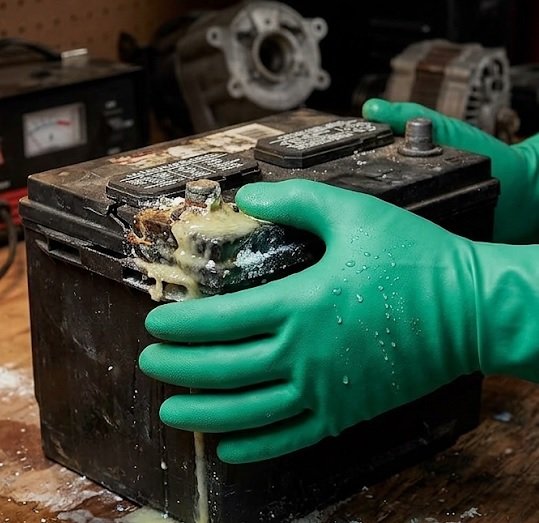
Ansell Microflex 93-260 Nitrile Gloves – Best Overall Choice
These chemical-resistant nitrile gloves are the recommended first line of defense against battery electrolyte. The 0.15mm thickness blocks sulfuric acid and potassium hydroxide while keeping dexterity for careful handling. Ideal for alkaline, lead-acid, and lithium cell leaks, they are the best option for safe cleanup and transport.
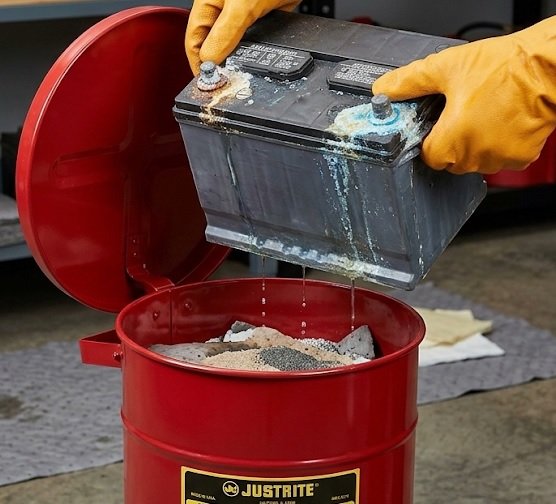
Justrite 09100 Steel Safety Container – Best for Storage and Transport
This 1-gallon steel container with a self-closing lid is ideal for temporarily storing sealed leaking batteries before recycling. Its powder-coat finish resists corrosion, and the leakproof design prevents acid residue from escaping. A proven method for keeping damaged cells contained and away from flammable materials at home.
3M Virtua CCS Protective Eyewear – Best Budget Eye Protection
At under $10, these anti-fog safety glasses deliver reliable splash protection against battery acid spray. The wrap-around lens meets ANSI Z87.1 standards, making them the best option for quick, low-cost protection during inspection and bagging of leaking batteries.

How to Handle a Leaking Battery Safely: Step-by-Step Instructions
Act fast, but never rush. A leaking battery can burn skin, stain surfaces, and release harmful fumes. Follow this safe disposal process in order.
Step 1: Protect Yourself Before Touching Anything
Put on nitrile gloves and safety glasses before you go near the battery. Open a window or door to ventilate the area, especially for lithium and lead-acid cells.
- Skin contact: Flush with water for 15 minutes, then seek medical advice.
- Eye contact: Rinse immediately and call poison control.
- Fumes: Leave the room if you smell a sharp, acidic odor.
Step 2: Contain the Leak and Seal the Battery
Do not wipe the residue with bare paper towels. Instead, place the battery in a sealable plastic bag, then set it inside a non-metal container like a plastic bucket.
- Slide the battery onto a disposable tray or cardboard.
- Seal it inside two plastic bags, one inside the other.
- Add baking soda to neutralize acid residue on surfaces.
- Label the container “Leaking Battery – Do Not Open.”
Quick Safety Rules
- Never seal a leaking battery in a metal tin.
- Keep damaged cells away from heat and sparks.
- Store outdoors or in a garage until recycling day.
With the battery contained, your next step is finding the right drop-off location for safe recycling.
Where to Recycle Leaking Batteries: Drop-Off and Pickup Options
Once sealed, a leaking battery should reach a certified recycler within a few days. Never leave it sitting in a hot garage or trash bin.
Free Retail Drop-Off Locations
Most big-box stores accept damaged cells at no cost. Call ahead to confirm your specific battery type is accepted.
- Home Depot: Accepts rechargeable, lithium-ion, and lead-acid batteries.
- Lowe’s: Takes alkaline, lithium, and rechargeable cells at entry kiosks.
- Best Buy: Recycles lithium-ion, NiCad, and sealed lead-acid batteries.
- Staples: Collects rechargeable batteries and old cell phone packs.
Municipal and Household Hazardous Waste Programs
Your city or county likely runs a household hazardous waste (HHW) facility. These sites handle corrosive and reactive materials that retailers refuse.
- Search “[your city] household hazardous waste” online.
- Book an appointment if required.
- Transport batteries upright in a sealed, non-metal container.
Quick Comparison: Which Option Fits Your Battery?
| Battery Type | Best Disposal Option |
|---|---|
| Alkaline (AA, AAA) | Retail drop-off or HHW facility |
| Lithium-ion | Best Buy, Home Depot, or Call2Recycle |
| Lead-acid (car) | Auto parts store or HHW site |
| Button/coin cell | HHW facility only |
Fast Facts
- Call2Recycle offers free drop-off for rechargeable batteries.
- Auto parts stores accept lead-acid car batteries, often with a core refund.
- Never ship a leaking battery through standard mail.
Knowing where to go solves half the problem. The other half is avoiding the mistakes that cause fires and injuries.
Common Mistakes to Avoid When Disposing of Leaking Batteries
Even careful people make errors that turn a small leak into a real hazard. Avoid these dangerous habits during cleanup and disposal.
Never Throw Leaking Batteries in the Trash
Damaged cells can short-circuit and ignite inside garbage trucks or landfills. A single leaking lithium battery has caused serious fires in recycling plants.
- Trash bins: Never acceptable for any leaking battery.
- Recycling bins: Curbside programs reject damaged cells.
- Metal containers: Can spark a reaction with exposed terminals.
Avoid These Handling Errors
Improper handling spreads corrosive residue and risks chemical burns. Slow down and follow the basics.
- Do not touch electrolyte with bare skin.
- Never tape over a leaking terminal with conductive tape.
- Do not store leaking batteries near heat, flames, or fuel.
- Avoid stacking damaged cells on top of each other.
Why Neutralizing Matters
Acid and alkaline residue keeps corroding surfaces long after the battery is gone. A paste of baking soda and water neutralizes acid spills, while white vinegar handles alkaline leaks.
| Leak Type | Neutralizer |
|---|---|
| Acidic (lead-acid) | Baking soda paste |
| Alkaline (AA, AAA) | White vinegar or lemon juice |
| Lithium-ion | Do not neutralize — ventilate and evacuate |
Red Flags to Remember
- Swelling, hissing, or heat means evacuate immediately.
- Never submerge a lithium battery in water.
- Wash hands thoroughly after any cleanup.
Following these precautions keeps you, your family, and waste workers safe from preventable accidents.
Battery Type-Specific Disposal Rules You Need to Know
Not all leaking batteries behave the same way. Lithium cells pose fire risks, while lead-acid cells demand corrosion control. Match your method to the chemistry.
Disposing of Leaking Lithium-Ion Batteries
Lithium batteries can enter thermal runaway after damage, so speed and distance matter most. Place the cell in a fireproof bag or sand-filled bucket outdoors.
- Never charge a swollen or leaking lithium pack.
- Store away from structures until drop-off day.
- Use tape on terminals only if the casing is intact and dry.
Handling Leaking Alkaline and Lead-Acid Batteries
Alkaline residue is caustic but manageable with gloves and vinegar. Lead-acid batteries contain sulfuric acid and require stricter containment.
- Wear gloves and eye protection for both types.
- Neutralize surface spills before bagging the battery.
- Seal lead-acid batteries upright in a plastic crate.
- Deliver lead-acid cells to auto parts stores for core credit.
Quick Reference: Disposal by Battery Type
| Battery Type | Key Risk | Disposal Method |
|---|---|---|
| Lithium-ion | Fire, explosion | Fireproof bag, then Best Buy or Call2Recycle |
| Alkaline | Caustic burn | Bag and drop at retail kiosk |
| Lead-acid | Acid burn, corrosion | Auto parts store or HHW facility |
| NiCad/NiMH | Toxic cadmium | Certified recycler only |
Type-Specific Essentials
- Lithium leaks: isolate outdoors, never indoors.
- Alkaline leaks: neutralize with vinegar before bagging.
- Lead-acid leaks: keep upright and deliver fast.
Matching the method to the chemistry prevents the worst outcomes and simplifies recycling.
What to Do After a Battery Leak: Cleanup and Prevention Tips
Disposing of the battery is only half the job. Residue left behind keeps damaging surfaces and devices long after the cell is gone.
Cleaning Up Battery Acid Residue Safely
Always wear gloves and ventilate the room before you start cleaning. Never use a vacuum, which can spread corrosive dust or spark a fire.
- Remove the battery and place it in a sealed plastic bag.
- Apply baking soda paste to acidic residue or vinegar to alkaline residue.
- Wipe with a damp disposable cloth, then discard it.
- Rinse the surface with clean water and dry thoroughly.
Preventing Future Battery Leaks
Most leaks come from age, heat, and moisture. A few habits dramatically reduce the risk.
- Store batteries in a cool, dry place below 25°C (77°F).
- Remove dead cells from devices immediately.
- Check expiration dates and replace old batteries yearly.
- Avoid mixing brands or old and new cells in one device.
When to Replace vs. Recycle
Rechargeable packs that swell, overheat, or lose charge fast are beyond saving. Retire them before they leak inside your device.
| Warning Sign | Action |
|---|---|
| Swelling or bulging | Stop use, isolate, recycle |
| White crusty residue | Clean device, recycle battery |
| Hissing or heat | Evacuate, call fire services |
Prevention Checklist
- Cool, dry storage extends battery life.
- Never vacuum corrosive residue.
- Replace swollen cells before they leak.
Good cleanup and prevention habits protect your devices and reduce hazardous waste in the long run.
Emergency Response: When a Leaking Battery Becomes Dangerous
Most leaks are manageable, but some escalate fast. Recognizing an emergency early prevents burns, fires, and costly damage.
Signs You Need to Act Immediately
Stop everything and evacuate if a battery shows any of these warning signs.
- Hissing or popping sounds from the casing.
- Rapid swelling or bulging within minutes.
- Intense heat or a burning plastic smell.
- Smoke or sparks near the terminals.
Step-by-Step Emergency Protocol
Lithium fires spread quickly, so distance and ventilation come first. Never attempt to smother a lithium battery fire with water alone.
- Evacuate people and pets from the room.
- Open windows and doors if safe to do so.
- Call emergency services for smoke, fire, or fumes.
- Use a Class D extinguisher or sand only if trained.
First Aid for Battery Exposure
Chemical burns worsen without prompt rinsing. Treat every exposure as urgent.
| Exposure | Immediate Action |
|---|---|
| Skin contact | Flush 15 minutes, remove contaminated clothing |
| Eye contact | Rinse 15 minutes, call poison control |
| Inhalation | Move to fresh air, seek medical help |
| Swallowing | Call poison control immediately, do not induce vomiting |
Emergency Essentials
- Hissing, swelling, or heat means evacuate now.
- Call poison control for any chemical exposure.
- Never use water on a lithium battery fire.
Preparedness turns a potential disaster into a manageable incident you can walk away from safely.
Legal and Environmental Rules for Leaking Battery Disposal
Battery disposal is regulated at federal, state, and local levels. Knowing the rules keeps you compliant and protects the environment.
Federal Regulations That Apply
Several agencies govern how damaged batteries must be handled and transported.
- EPA: Classifies lithium and lead-acid batteries as hazardous waste in many cases.
- DOT: Restricts shipping damaged lithium cells by mail or courier.
- RCRA: Sets standards for hazardous waste storage and transfer.
State and Local Variations
Some states ban all batteries from landfills, while others only restrict rechargeables. California and New York enforce the strictest rules.
- Check your state’s environmental agency website.
- Confirm whether curbside pickup accepts batteries.
- Locate the nearest certified HHW facility.
- Keep disposal receipts for lead-acid core returns.
Environmental Impact of Improper Disposal
A single leaking battery can contaminate soil and groundwater with heavy metals. Lithium, cadmium, and lead persist for decades in landfills.
| Substance | Environmental Risk |
|---|---|
| Lead | Neurotoxin, contaminates water |
| Cadmium | Carcinogenic, bioaccumulates |
| Lithium | Fire risk in waste streams |
| Sulfuric acid | Burns soil and plant life |
Compliance Essentials
- Damaged lithium cells are regulated hazardous waste.
- Never mail a leaking battery through standard post.
- State rules vary — always verify locally.
Following these regulations protects both your community and your legal standing.
Conclusion: Dispose of a Leaking Battery Safely and Confidently
Leaking batteries are manageable when you act quickly. Protect yourself, seal the cell, and recycle it at a certified drop-off site.
Safety always comes first — never bin a damaged battery or ignore warning signs. Matching your method to the battery type prevents fires and chemical burns.
Gather your gloves, bag the battery, and locate your nearest recycler today. Share this guide with anyone storing old electronics.
One careful decision protects your home, your family, and the planet.
Frequently Asked Questions About Disposing of a Leaking Battery
What is the safest way to dispose of a leaking battery?
Seal the battery in a plastic bag, place it in a non-metal container, and take it to a certified recycling center or household hazardous waste facility. Wear gloves and eye protection throughout.
Never place a leaking battery in curbside trash or recycling bins. Damaged cells can spark fires in collection trucks and landfills, so always use a dedicated drop-off site.
Can I throw a leaking battery in the regular trash?
No. Leaking batteries are considered hazardous waste in most states and can ignite or contaminate groundwater. Trash disposal is illegal in many regions and dangerous everywhere.
Even standard alkaline cells should go to a retail kiosk or HHW site once they leak. Lithium and lead-acid batteries carry stricter rules and require certified recyclers.
How do I transport a leaking battery safely to a recycling center?
Bag the battery twice, keep it upright in a plastic crate, and avoid metal containers that could spark. Place it in your trunk, away from passengers and heat sources.
Drive directly to the drop-off site rather than storing the battery for weeks. If you smell fumes during transport, pull over and ventilate the vehicle immediately.
What should I do if battery acid gets on my skin?
Flush the affected area with cool water for at least 15 minutes and remove any contaminated clothing. Seek medical attention if burning, blistering, or redness persists.
For alkaline leaks, rinse thoroughly and apply a mild acid like vinegar only after flushing. Never neutralize directly on broken skin — always rinse first and call poison control if unsure.
Which stores accept leaking batteries for free?
Home Depot, Lowe’s, Best Buy, and Staples accept most battery types at no charge. Call ahead to confirm they take damaged or leaking cells specifically.
Call2Recycle also maintains a free locator tool covering thousands of drop-off points. Auto parts stores like AutoZone accept leaking lead-acid car batteries, often with a core refund.
Can a leaking battery catch fire?
Yes. Leaking lithium-ion batteries can enter thermal runaway and ignite without warning. Swelling, hissing, or heat means evacuate immediately and call emergency services.
Alkaline and lead-acid leaks rarely ignite but still cause chemical burns and corrosion. Store all damaged cells outdoors, away from structures, until recycling day.
How do I clean up battery acid residue from a device?
Remove the battery, then apply baking soda paste for acidic residue or vinegar for alkaline leaks. Wipe with a damp disposable cloth and dry the compartment completely.
Never vacuum corrosive residue — it spreads toxic dust and can spark a fire. Wash your hands thoroughly afterward and discard all cleanup materials safely.
Is it better to recycle or replace a leaking battery?
Always recycle. A leaking battery cannot be repaired or recharged safely, and damaged cells pose ongoing fire and corrosion risks inside your device.
Replace it with a fresh cell from a reputable brand, then drop the old one at a certified recycler. Proper recycling recovers valuable metals and keeps toxins out of landfills.