
Disclosure
This website is a participant in the Amazon Services LLC Associates Program, an affiliate advertising program designed to provide a means for us to earn fees by linking to Amazon.com and affiliated sites.
Choosing between NiMH vs Lithium-Ion batteries comes down to your device and budget. NiMH suits low-drain gadgets affordably, while Lithium-Ion wins for high-power electronics and longer runtime.
This complete guide breaks down capacity, cost, lifespan, and safety with expert tips. Read on to discover which proven battery chemistry truly fits your everyday needs.
Key Takeaways
- 1.2V vs 3.7V: NiMH delivers steady low voltage; Lithium-Ion packs higher energy density.
- 500 vs 1,000+ cycles: Lithium-Ion typically lasts about twice as long.
- Cheaper upfront: NiMH costs less and suits remotes, toys, and clocks.
- Best for power: Lithium-Ion dominates cameras, drones, and laptops.
- Safety matters: Lithium-Ion needs protection circuits to prevent overheating.
Best NiMH and Lithium-Ion Batteries for Everyday Devices – Detailed Comparison
Panasonic Eneloop Pro (BK-3HCCA4BA) – Best Overall NiMH Choice
The Panasonic Eneloop Pro is the recommended NiMH option for everyday gadgets. It offers 2,500mAh capacity, holds charge for up to one year, and survives 500 recharge cycles. Ideal for remotes, clocks, and toys, it delivers reliable low-drain performance at an affordable price.
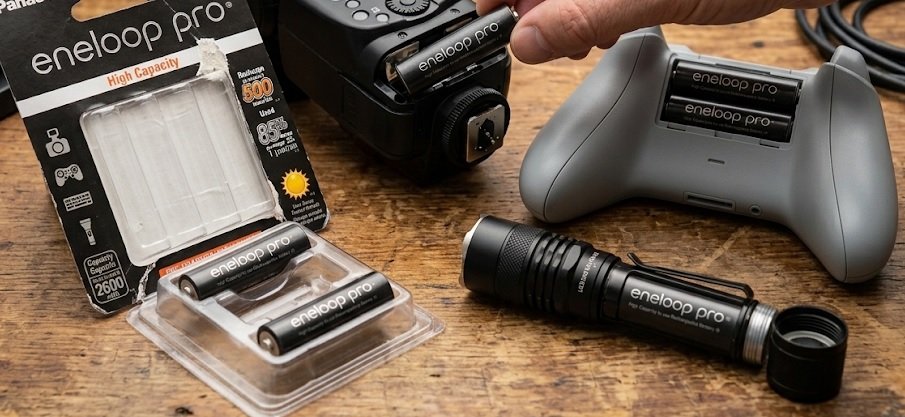
- Best use case: Household devices needing steady, budget-friendly power.
Samsung INR18650-25R – Best Lithium-Ion Option for High-Power Devices
The Samsung INR18650-25R is the best option for high-drain electronics. With 2,500mAh capacity and 20A discharge, it powers drones, flashlights, and power tools efficiently. Its 3.7V output and 1,000+ cycle lifespan make it ideal for demanding, rechargeable applications.
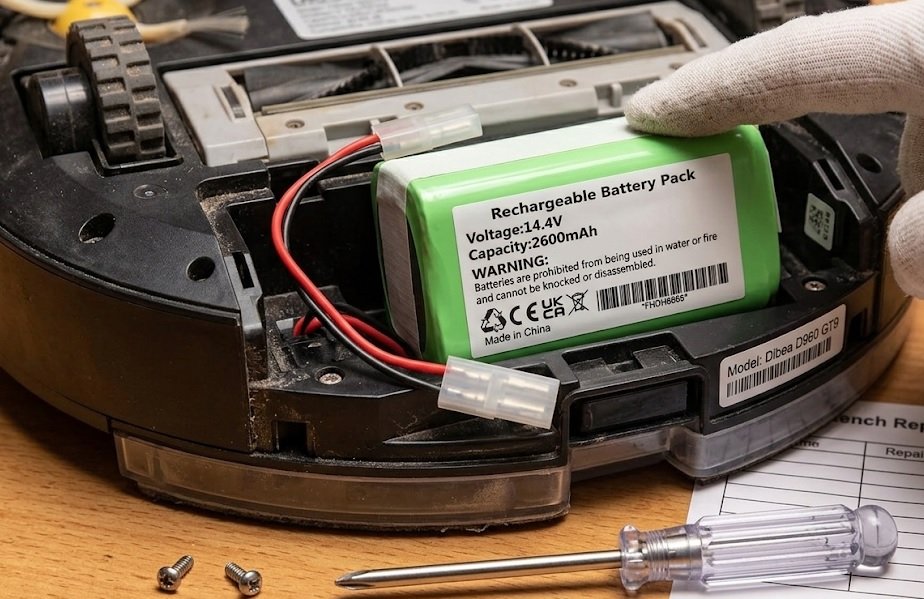
- Best use case: High-power gadgets requiring fast discharge and long runtime.
Anker 622 Magnetic Battery (MagGo) – Best Lithium-Ion for Everyday Portability
The Anker 622 MagGo is ideal for on-the-go charging. Its 5,000mAh capacity, 7.5W magnetic wireless charging, and slim build suit phones and earbuds. Recommended for travelers, it balances portability, safety, and dependable Lithium-Ion performance.
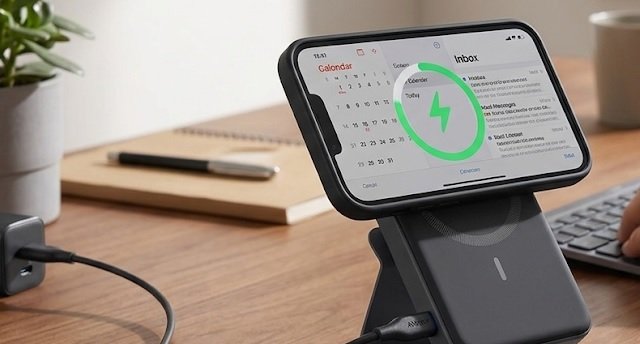
- Best use case: Portable phone and accessory charging during travel.
NiMH vs Lithium-Ion: Key Differences Explained
Understanding how these two battery chemistries differ helps you choose wisely. Below are the core technical and practical distinctions.
Voltage and Energy Density Comparison
NiMH cells deliver 1.2V, while Lithium-Ion cells output 3.7V each. Lithium-Ion also stores far more energy per gram, making it lighter and more compact.
- NiMH: Lower voltage, heavier, bulkier
- Lithium-Ion: Higher voltage, lighter, space-efficient
Capacity, Cost, and Lifespan
Capacity and lifespan directly affect long-term value. Lithium-Ion generally wins on cycles, but NiMH costs less upfront.
| Feature | NiMH | Lithium-Ion |
|---|---|---|
| Typical Capacity | 2,000-2,800mAh | 2,500-3,500mAh |
| Recharge Cycles | 500-1,000 | 1,000-2,000 |
| Upfront Cost | Lower | Higher |
| Self-Discharge | Moderate | Low |
Memory Effect and Self-Discharge
NiMH suffers mild memory effect and higher self-discharge. Lithium-Ion has virtually none, retaining charge longer during storage.
- NiMH: Recharge fully to avoid capacity loss
- Lithium-Ion: Partial charging is safe and preferred
Quick Summary
- Lithium-Ion offers higher voltage and energy density
- NiMH is cheaper but heavier with fewer cycles
- Lithium-Ion retains charge better during storage
Which Battery Is Better for Everyday Devices? Practical Use Cases
The right choice depends entirely on your device’s power demands. Here’s how each chemistry performs across common scenarios.
When NiMH Batteries Are the Better Choice
NiMH excels in low-drain devices that run frequently. They’re affordable, safe, and easy to swap in standard sizes like AA and AAA.
- TV remotes: Low power draw, long standby
- Wall clocks: Steady, minimal current needs
- Kids’ toys: Frequent replacement, budget-friendly
- Computer mice: Moderate drain, standard sizing
When Lithium-Ion Batteries Win
Lithium-Ion dominates high-drain electronics needing sustained power. Its higher voltage and density deliver performance NiMH can’t match.
- Smartphones and laptops: Compact, high-capacity needs
- Cameras and drones: Fast discharge, high current
- Power tools: Demanding torque and runtime
- Wireless earbuds: Lightweight, rechargeable design
Step-by-Step: Choosing the Right Battery
- Check device voltage: Match 1.2V or 3.7V requirements
- Assess power draw: High drain favors Lithium-Ion
- Compare cost: NiMH saves money for low-drain gadgets
- Consider lifespan: Lithium-Ion lasts longer per cycle
- Verify safety: Use protected Lithium-Ion cells
Quick Summary
- NiMH suits remotes, clocks, and toys
- Lithium-Ion powers phones, drones, and tools
- Match voltage and power draw before buying
Safety, Maintenance, and Longevity Tips for Rechargeable Batteries
Proper care extends battery life and prevents hazards. Follow these expert tips to get the most from either chemistry.
Safety Considerations for NiMH vs Lithium-Ion
Both chemistries are safe when handled correctly, but risks differ. Lithium-Ion demands more caution due to thermal runaway potential.
- NiMH: Low fire risk, but avoid overheating during fast charge
- Lithium-Ion: Requires protection circuits against overcharge and short circuits
- Both: Never puncture, crush, or expose to extreme heat
Charging Best Practices
Correct charging habits prevent capacity loss and extend lifespan. Use manufacturer-approved chargers for each battery type.
- NiMH: Charge fully, then remove to avoid trickle damage
- Lithium-Ion: Keep between 20-80% for daily use
- Store cool: Keep at room temperature, away from sunlight
- Avoid overcharging: Unplug once full
Maximizing Battery Lifespan
Storage and usage patterns significantly impact longevity. Small habits yield big gains over time.
| Practice | NiMH | Lithium-Ion |
|---|---|---|
| Ideal Storage Charge | 100% | 40-60% |
| Storage Temp | Cool, dry | Cool, dry |
| Recharge Frequency | When depleted | Before fully drained |
Quick Summary
- Lithium-Ion needs protection circuits for safety
- Store Lithium-Ion at 40-60% charge
- Use approved chargers to extend lifespan
Cost, Environmental Impact, and Recycling Considerations
Price and sustainability often influence buying decisions. Here’s how both chemistries compare on cost and environmental responsibility.
Upfront Cost vs Long-Term Value
NiMH batteries cost less initially, but Lithium-Ion offers better value over time. Higher cycle counts offset the steeper purchase price.
- NiMH: Lower upfront cost, ideal for budget buyers
- Lithium-Ion: Higher initial price, longer lifespan
- Cost per cycle: Lithium-Ion often cheaper long-term
Environmental Impact Comparison
Both chemistries carry environmental trade-offs. Manufacturing and disposal methods determine their overall footprint.
| Factor | NiMH | Lithium-Ion |
|---|---|---|
| Recyclability | Moderate | High |
| Toxic Materials | Low | Moderate |
| Resource Scarcity | Low | Higher (lithium, cobalt) |
How to Recycle Batteries Responsibly
Never throw rechargeable batteries in household trash. Proper recycling recovers valuable materials and prevents pollution.
- Locate a drop-off: Use retailer or municipal recycling points
- Tape terminals: Prevent short circuits during transport
- Store safely: Keep in a cool, dry container
- Check programs: Call2Recycle accepts both types
Quick Summary
- Lithium-Ion costs more upfront but lasts longer
- Both chemistries are recyclable, not trash-safe
- Use certified drop-off points for disposal
Common Myths About NiMH and Lithium-Ion Batteries Debunked
Misinformation often clouds battery buying decisions. Let’s separate proven facts from popular myths.
Myth 1: All Rechargeable Batteries Have Memory Effect
Memory effect is largely a NiCd problem, not NiMH or Lithium-Ion. Modern NiMH suffers only mild voltage depression, easily fixed with a full discharge cycle.
- NiMH: Minimal memory effect, rarely an issue
- Lithium-Ion: No memory effect at all
- Reality: Partial charging is safe for both
Myth 2: You Must Fully Drain Batteries Before Recharging
Deep discharging actually damages Lithium-Ion cells. NiMH tolerates it better, but frequent full drains shorten overall lifespan.
- Lithium-Ion: Recharge anytime, avoid full drains
- NiMH: Occasional full discharge is acceptable
- Best practice: Top off before hitting zero
Myth 3: Higher mAh Always Means Better Performance
Higher capacity doesn’t guarantee better results. Voltage, discharge rate, and device compatibility matter just as much.
| Factor | Why It Matters |
|---|---|
| Voltage | Must match device requirements |
| Discharge Rate | Critical for high-drain gadgets |
| Physical Size | Must fit the battery compartment |
Quick Summary
- Memory effect barely affects modern batteries
- Deep draining harms Lithium-Ion cells
- Capacity alone doesn’t determine performance
Future Trends: What’s Next for NiMH and Lithium-Ion Technology?
Battery technology evolves rapidly, reshaping how we power everyday devices. Here’s what to expect in the coming years.
Advancements in Lithium-Ion Chemistry
Manufacturers are pushing Lithium-Ion toward higher density and faster charging. New silicon-anode designs promise up to 20% more capacity without added weight.
- Solid-state batteries: Safer, higher energy density
- Fast charging: Full charge in under 30 minutes
- Cobalt reduction: Lower cost, ethical sourcing
The Evolving Role of NiMH Batteries
NiMH remains relevant for low-drain, eco-friendly applications. Improved low self-discharge versions now hold charge for years.
- Eco-friendly appeal: Fewer rare-earth materials
- Cost advantage: Affordable for bulk household use
- Niche dominance: Remotes, clocks, and toys
Which Technology Will Dominate?
Lithium-Ion will likely lead high-power markets, while NiMH holds steady in budget segments. Both will coexist rather than replace each other.
| Trend | NiMH Outlook | Lithium-Ion Outlook |
|---|---|---|
| Market Growth | Stable | Rapid |
| Innovation Focus | Self-discharge | Energy density |
| Primary Use | Low-drain devices | High-power electronics |
Quick Summary
- Solid-state Lithium-Ion promises safer, denser power
- NiMH stays relevant for budget, low-drain devices
- Both chemistries will coexist in future markets
Expert Tips: Making the Right Battery Choice for Your Needs
Choosing wisely saves money and boosts device performance. These expert recommendations simplify your decision.
Quick Decision Guide by Device Type
Match battery chemistry to your device’s power profile. This prevents wasted spending and disappointing performance.
| Device Type | Recommended Battery |
|---|---|
| TV remotes, clocks | NiMH |
| Smartphones, laptops | Lithium-Ion |
| Cameras, drones | Lithium-Ion |
| Kids’ toys | NiMH |
| Power tools | Lithium-Ion |
What to Check Before Buying
Verify key specifications before purchasing any rechargeable battery. Compatibility prevents returns and frustration.
- Voltage match: Confirm 1.2V or 3.7V requirement
- Physical size: Ensure correct form factor (AA, AAA, 18650)
- Capacity needs: Balance mAh against device draw
- Charger compatibility: Use matching charger type
- Safety certification: Look for UL or CE marks
Budget vs Premium Options
You don’t always need premium batteries. Budget NiMH works well for low-drain gadgets, while premium Lithium-Ion justifies its cost for high-power devices.
- Budget NiMH: Great for remotes and clocks
- Premium Lithium-Ion: Worth it for cameras and tools
- Mid-range: Balanced value for mixed usage
Quick Summary
- Match chemistry to device power needs
- Always verify voltage and size before buying
- Budget NiMH suits low-drain gadgets fine
Conclusion: Choosing Between NiMH vs Lithium-Ion Batteries
The NiMH vs Lithium-Ion debate has no single winner. NiMH suits budget, low-drain devices, while Lithium-Ion powers high-demand electronics with superior energy density.
Match your battery chemistry to your device’s voltage and power needs for the best results.
Check your gadgets today and pick the right rechargeable battery with confidence.
Smart battery choices deliver longer life, better performance, and real savings.
Frequently Asked Questions about NiMH vs Lithium-Ion Batteries
What is the main difference between NiMH and Lithium-Ion batteries?
NiMH batteries deliver 1.2V per cell, while Lithium-Ion cells output 3.7V. This voltage gap shapes which devices each chemistry can power efficiently.
Lithium-Ion also offers higher energy density, meaning more power in a lighter, smaller package. NiMH remains cheaper and safer for basic household gadgets.
Which is better for everyday devices, NiMH or Lithium-Ion?
It depends on your device’s power draw. NiMH is better for remotes, clocks, and toys, while Lithium-Ion suits phones, cameras, and power tools.
For low-drain gadgets, NiMH offers the best value. For high-power electronics, Lithium-Ion delivers superior runtime and performance.
How long do NiMH and Lithium-Ion batteries last?
NiMH batteries typically last 500-1,000 recharge cycles. Lithium-Ion batteries endure 1,000-2,000 cycles, roughly double the lifespan.
Actual longevity depends on charging habits, storage conditions, and device usage. Proper care can significantly extend both types.
Do NiMH batteries have a memory effect?
Modern NiMH batteries have minimal memory effect. This issue mainly affected older NiCd chemistry, not today’s NiMH cells.
Occasional full discharge cycles help maintain capacity. However, partial charging is generally safe and won’t damage NiMH batteries.
Are Lithium-Ion batteries dangerous?
Lithium-Ion batteries are safe when used correctly. Risks like overheating occur mainly from overcharging, physical damage, or faulty chargers.
Always use protected cells and approved chargers. Never puncture, crush, or expose Lithium-Ion batteries to extreme heat or moisture.
How should I store rechargeable batteries long-term?
Store NiMH batteries fully charged in a cool, dry place. Store Lithium-Ion batteries at 40-60% charge to preserve cell health.
Avoid extreme temperatures and direct sunlight. Recharge stored batteries every few months to maintain performance.
Can I use NiMH batteries in devices designed for Lithium-Ion?
No, you generally cannot. Voltage differences of 1.2V versus 3.7V make them incompatible for most devices.
Always match battery chemistry to your device’s specifications. Using the wrong type may cause malfunction or damage.
What is the best way to recycle old batteries?
Never throw rechargeable batteries in household trash. Use certified drop-off points like Call2Recycle or retailer recycling programs.
Tape battery terminals before transport to prevent short circuits. Proper recycling recovers valuable materials and protects the environment.