
Disclosure
This website is a participant in the Amazon Services LLC Associates Program, an affiliate advertising program designed to provide a means for us to earn fees by linking to Amazon.com and affiliated sites.
A dying trolling motor battery typically shows voltage warning signs like readings below 12.0V, slow motor response, and rapid charge depletion. Spotting these signals early saves you from a frustrating day stranded on the water.
This complete guide reveals the voltage warning signs every angler should know, plus expert tips on testing, charging, and extending battery life. Keep reading to protect your investment and stay powered all day.
Key Takeaways
- 12.6V is a healthy resting voltage; below 12.0V signals trouble.
- Drop under load reveals failing cells better than resting readings.
- Slow motor response and short run times are early warning signs.
- Test with a multimeter after a 2-hour rest for accuracy.
- Proper charging habits can double battery lifespan.
Best Trolling Motor Batteries for Voltage Reliability – Detailed Comparison
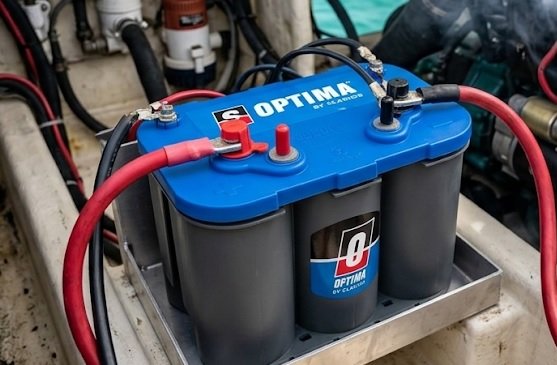
Optima BlueTop D34M – Best Overall Choice
The Optima BlueTop D34M is a dual-purpose AGM battery delivering 750 cold cranking amps and 55Ah capacity. Its spill-proof SpiralCell design resists vibration, making it ideal for rough water. Recommended for anglers wanting a maintenance-free battery that holds voltage steadily through long trolling sessions.
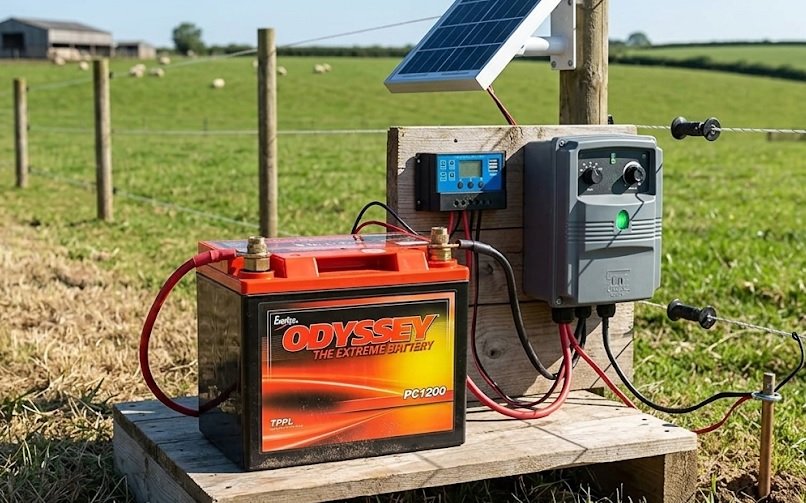
Odyssey PC1200MJT – Best Premium Option
The Odyssey PC1200MJT offers 1200 cranking amps and 42Ah reserve capacity with exceptional deep-cycle recovery. Its pure lead plates recharge faster and resist voltage sag under heavy loads. Ideal for serious tournament anglers demanding maximum reliability and the longest possible lifespan.
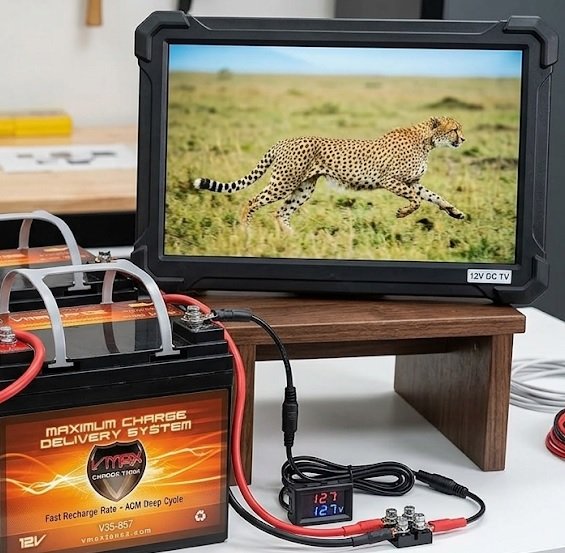
VMAX MR137-120 – Best Budget Option
The VMAX MR137-120 is a 120Ah deep-cycle AGM battery built specifically for trolling motors. It delivers consistent voltage output at a fraction of premium prices. Best option for weekend anglers wanting dependable performance without overspending on high-end brands.
Voltage Warning Signs Your Trolling Motor Battery Is Dying
Voltage tells the real story of battery health. A healthy 12V battery rests around 12.6V, while readings below 12.0V signal trouble. Learning these warning signs helps you act before failure strikes.
Resting Voltage: What Your Multimeter Reveals
Test your battery after a two-hour rest with no load. Compare results against this chart:
| Voltage Reading | Battery Status |
|---|---|
| 12.6V or higher | Healthy, fully charged |
| 12.2V – 12.5V | Partially discharged |
| 12.0V – 12.1V | Weak, recharge soon |
| Below 12.0V | Dying, replace soon |
Voltage Drop Under Load
Resting voltage alone hides problems. Run your trolling motor and watch the reading.
- Healthy battery: Drops slightly, then holds steady above 11.8V
- Failing battery: Plummets below 11.5V within minutes
- Dead cell: Crashes under 10.5V almost instantly
A sharp drop under load means weak cells, even if resting voltage looks fine.
Behavioral Signs Beyond the Numbers
Your motor often warns you before your multimeter does. Watch for these clues:
- Motor runs slower than usual at full throttle
- Battery drains much faster than it used to
- Charger finishes suspiciously quickly
- Battery feels hot after charging
These symptoms mean internal resistance has risen, signaling a battery nearing the end of its life.
Quick Summary
- Resting voltage below 12.0V means replace soon
- Under-load drops below 11.5V reveal weak cells
- Slow motor response confirms voltage problems
How to Test Your Trolling Motor Battery Voltage Correctly
Accurate testing separates a false alarm from a genuinely failing battery. Follow these proven steps to get reliable readings every time.
Step-by-Step Voltage Testing Process
- Charge fully and let the battery rest for at least 2 hours.
- Set your multimeter to DC voltage (20V range).
- Connect the red lead to positive, black to negative.
- Record the resting reading and compare it to the chart above.
- Run the motor under load and note any voltage drop.
This two-stage test exposes weak cells that resting voltage alone can miss.
Common Testing Mistakes to Avoid
Many anglers misdiagnose healthy batteries simply through poor testing habits.
- Testing immediately after charging: Surface charge inflates readings; always rest first.
- Ignoring load tests: A battery can rest at 12.6V yet fail under load.
- Using a dirty multimeter: Corroded probes skew results.
- Skipping individual cell checks: One bad cell drags down the whole pack.
When to Recharge vs. When to Replace
Your voltage readings determine the right action. Use this guide:
| Condition | Action |
|---|---|
| Rests above 12.4V after recharge | Keep using, maintain charge |
| Drops below 12.0V repeatedly | Recharge and retest |
| Won’t hold charge overnight | Replace battery |
| Crashes under load | Replace immediately |
Quick Summary
- Always rest 2 hours before testing voltage
- Combine resting and load tests for accuracy
- Batteries that won’t hold charge need replacing
How to Extend Trolling Motor Battery Life and Prevent Voltage Drop
Proper care dramatically extends battery lifespan and prevents premature voltage failure. These expert habits keep your battery strong season after season.
Best Charging Practices for Deep-Cycle Batteries
Charging habits determine how long your battery survives. Follow these rules:
- Recharge after every use: Never store a discharged battery.
- Use a smart charger: Multi-stage chargers prevent overcharging damage.
- Avoid deep discharges: Recharge at 50% (around 12.1V), not 0%.
- Equalize periodically: Monthly equalization balances cell voltage.
Never leave a battery on a trickle charger for weeks, as this causes electrolyte loss.
Storage Tips That Protect Voltage
Winter storage ruins more batteries than summer use. Store yours correctly:
- Charge to full before storing for winter.
- Disconnect terminals to prevent parasitic drain.
- Store in a cool, dry place above freezing.
- Recharge every 60 days during off-season.
Following this routine keeps voltage stable through months of inactivity.
Maintenance Habits That Add Years
Small maintenance tasks deliver big lifespan gains.
- Clean terminals monthly to prevent corrosion resistance.
- Check water levels on flooded batteries every 30 days.
- Inspect cables for fraying that causes voltage loss.
- Tighten connections to eliminate resistance points.
| Habit | Lifespan Impact |
|---|---|
| Recharge after every use | Adds 1-2 years |
| Proper winter storage | Adds 1-2 years |
| Regular terminal cleaning | Prevents voltage drop |
Quick Summary
- Recharge after every use, never store discharged
- Store charged, cool, and recharge every 60 days
- Clean terminals monthly to prevent voltage loss
Choosing the Right Replacement Trolling Motor Battery
When voltage readings confirm your battery is dying, choosing the right replacement matters. The correct battery type and size keep your motor running strong for years.
Battery Types Compared: AGM vs. Flooded vs. Lithium
Each battery chemistry offers distinct advantages for trolling motor use.
| Type | Lifespan | Best For |
|---|---|---|
| Flooded Lead-Acid | 3-5 years | Budget anglers |
| AGM | 4-6 years | Most anglers |
| Lithium (LiFePO4) | 8-10 years | Serious anglers |
AGM batteries offer the best balance of price, performance, and maintenance-free operation.
Matching Battery Size to Your Trolling Motor
Undersized batteries fail early under heavy loads. Use these guidelines:
- 30-55 lb thrust motors: 50-100Ah battery
- 55-80 lb thrust motors: 100-120Ah battery
- 80+ lb thrust motors: 120Ah or dual batteries
Always check your motor’s amp draw and match reserve capacity accordingly.
Key Specs to Check Before Buying
These specifications predict real-world performance:
- Reserve capacity (RC): Minutes of sustained output at 25 amps
- Amp-hour rating (Ah): Total energy storage capacity
- Cold cranking amps (CCA): Starting power for combined systems
- Cycle life: Number of charge cycles before capacity drops
Quick Summary
- AGM offers best value for most anglers
- Match Ah rating to motor thrust requirements
- Check reserve capacity and cycle life before buying
Frequently Asked Voltage Questions About Dying Trolling Motor Batteries
Anglers often ask specific questions about voltage readings and battery failure. These direct answers resolve the most common concerns quickly.
What Voltage Is Too Low for a Trolling Motor Battery?
Any resting reading below 12.0V indicates a problem. A fully charged 12V battery should rest at 12.6V to 12.8V. Readings between 12.0V and 12.4V mean partial discharge, while anything under 11.8V under load signals a failing battery.
Can a Dying Battery Still Show 12 Volts?
Yes, and this confuses many boaters. A battery with weak cells can rest near 12.0V yet crash instantly under load. This happens because internal resistance rises as batteries age. Always perform a load test, not just a resting check.
How Long Should a Trolling Motor Battery Last?
Lifespan depends on battery type and care:
- Flooded lead-acid: 3-5 years with proper maintenance
- AGM: 4-6 years, maintenance-free
- Lithium (LiFePO4): 8-10 years with built-in management
Poor charging habits can cut these estimates in half.
Why Does My Battery Drain So Fast Now?
Rapid draining usually means reduced capacity from sulfation or age. Cold weather worsens this effect, sometimes cutting runtime by 30-50%. If runtime drops sharply compared to last season, replacement is likely overdue.
Quick Summary
- Below 12.0V resting means trouble
- Weak batteries can still show 12V at rest
- Fast draining signals reduced capacity
Common Causes of Premature Trolling Motor Battery Failure
Understanding why batteries die early helps you avoid repeating costly mistakes. Most failures trace back to a handful of preventable causes.
Charging Mistakes That Kill Batteries
Improper charging is the leading cause of early battery death. Watch for these errors:
- Overcharging: Cooks electrolyte and warps plates
- Undercharging: Causes sulfation buildup on plates
- Wrong charger type: Mismatched voltage damages cells
- Charging hot batteries: Always cool down first
Sulfation alone destroys countless batteries every year, often within a single season.
Environmental Factors That Drain Voltage
Harsh conditions accelerate battery degradation significantly.
- Extreme cold: Reduces capacity by up to 50%
- Excessive heat: Speeds up internal corrosion
- Vibration: Loosens plates and connections
- Moisture exposure: Corrodes terminals and cables
Storing batteries in unheated garages over winter is a common killer.
Signs You Need a Replacement Soon
Recognizing these final warning signs prevents mid-trip failures:
- Runtime drops below half of original capacity
- Battery won’t hold charge overnight
- Physical swelling or bulging case
- Sulfur smell during charging
- Terminals corrode unusually fast
Any combination of these signals means replacement is the smart choice.
Quick Summary
- Overcharging and undercharging both kill batteries
- Cold and heat accelerate capacity loss
- Swelling or sulfur smell means replace now
Tools and Accessories for Monitoring Trolling Motor Battery Voltage
Reliable monitoring tools catch voltage problems before they strand you on the water. The right gear makes battery maintenance simple and accurate.
Essential Testing Tools Every Angler Needs
These affordable tools deliver professional-level diagnostics:
- Digital multimeter: Measures resting and load voltage accurately
- Battery load tester: Simulates real motor draw
- Hydrometer: Checks electrolyte specific gravity on flooded batteries
- Smart charger: Multi-stage charging prevents damage
A basic multimeter costs under $30 and prevents hundreds in premature replacements.
Onboard Voltage Monitors Worth Installing
Permanent monitors display real-time voltage while you fish.
| Monitor Type | Key Benefit |
|---|---|
| Digital voltmeter gauge | Instant dash readings |
| Bluetooth battery monitor | Smartphone alerts |
| Battery management system | Lithium cell protection |
Bluetooth monitors send low-voltage warnings directly to your phone, ideal for larger boats.
Accessories That Protect Battery Health
These additions extend lifespan and simplify maintenance:
- Battery disconnect switch: Prevents parasitic drain during storage
- Dielectric grease: Stops terminal corrosion
- Vibration dampening trays: Reduce plate damage
- Battery maintainers: Keep voltage stable during off-season
Combined, these accessories can add years to any trolling motor battery.
Quick Summary
- A $30 multimeter prevents costly battery failures
- Bluetooth monitors send real-time low-voltage alerts
- Disconnect switches and grease extend battery life
Conclusion: Catch Voltage Warning Signs Before Your Battery Dies
Spotting a dying trolling motor battery early saves money and frustration. Resting voltage below 12.0V, sharp drops under load, and slow motor response all signal trouble ahead.
Test regularly, charge properly, and store wisely to maximize lifespan.
Grab a multimeter today and check your battery before your next trip.
With proven maintenance habits, you’ll enjoy reliable power every time you hit the water.
Frequently Asked Questions About Trolling Motor Battery Voltage
What voltage should a fully charged trolling motor battery read?
A fully charged 12V trolling motor battery should rest between 12.6V and 12.8V after a two-hour rest. Readings in this range confirm healthy cells and full capacity. Anything above 13.0V right after charging is just surface charge that dissipates.
For 24V systems, expect 25.2V to 25.6V across the pair. Always test after resting, since charging inflates readings temporarily. Consistent readings below these numbers mean your battery is losing capacity.
How do I know if my trolling motor battery is bad or just discharged?
Recharge fully, rest two hours, then test voltage. A reading above 12.4V means the battery is fine and simply needed charging. Readings below 12.0V after a full charge indicate a failing battery.
Next, run a load test with your motor. If voltage crashes below 11.5V within minutes, internal damage exists. Discharged batteries recover fully; bad batteries never hold voltage consistently.
Can I use a car battery charger on my trolling motor battery?
Only if the charger matches your battery type and voltage. Standard car chargers often lack the multi-stage profile deep-cycle batteries require. This can cause overcharging and permanent plate damage.
Use a smart charger designed for deep-cycle or AGM batteries instead. These adjust amperage automatically and prevent sulfation. A mismatched charger shortens lifespan dramatically, even if voltage looks fine initially.
Why does my trolling motor battery voltage drop so fast?
Rapid voltage drop usually means reduced capacity from sulfation or aging plates. Cold weather makes this worse, cutting runtime by up to 50%. If runtime dropped sharply versus last season, replacement is likely overdue.
Check for parasitic drains too. Faulty wiring or accessories left connected can bleed voltage overnight. Test voltage before and after storage to isolate the cause.
What is the best way to store a trolling motor battery in winter?
Charge to 100%, disconnect all terminals, and store in a cool, dry location above freezing. Recharge every 60 days to prevent self-discharge damage during extended storage.
Never store batteries on concrete floors or in unheated garages without maintenance. A smart maintainer keeps voltage stable automatically. Proper winter storage adds one to two years of usable life.
How often should I test my trolling motor battery voltage?
Test monthly during fishing season and every 60 days during storage. Quick checks after each trip catch problems early. A $30 multimeter makes this effortless.
Perform full load tests seasonally, ideally before major trips. Consistent monitoring prevents mid-lake failures and extends overall battery lifespan significantly.
Is it worth upgrading to a lithium trolling motor battery?
Yes, if you fish frequently. Lithium (LiFePO4) batteries last 8-10 years, weigh 50-70% less, and maintain steady voltage throughout discharge. They cost more upfront but deliver superior long-term value.
They’re ideal for tournament anglers and frequent boaters. Casual weekend anglers may find AGM batteries sufficient at lower cost.