
Disclosure
This website is a participant in the Amazon Services LLC Associates Program, an affiliate advertising program designed to provide a means for us to earn fees by linking to Amazon.com and affiliated sites.
Heat destroys car batteries faster than cold. When choosing a battery for hot climates, prioritize heat resistance, high reserve capacity, and a long warranty. This complete guide reveals exactly what to look for.
You’ll learn how heat damages batteries, which specs matter most, and expert tips for picking a durable, long-lasting option. Read on to protect your investment and avoid roadside failures.
Key Takeaways
- Above 95°F, battery life can drop by half, so heat resistance is essential.
- Choose AGM or EFB batteries over standard flooded types for superior heat tolerance.
- Higher reserve capacity (RC) and cold cranking amps (CCA) buffer against heat stress.
- Look for 36+ month warranties and low water-loss designs.
- Mount batteries away from engine heat and check voltage monthly.
Best Car Batteries for Hot Climates – Detailed Comparison
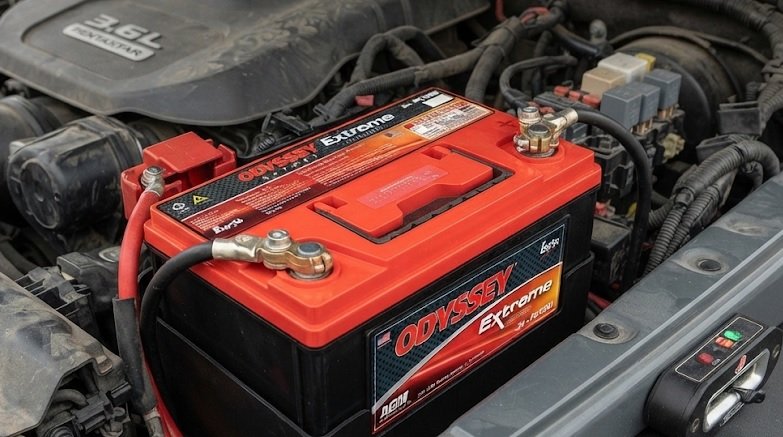
Odyssey Extreme Series 34R-PC1500T – Best Overall Choice
The Odyssey Extreme 34R-PC1500T is recommended for extreme heat thanks to its pure lead-tin construction and vibration resistance. It delivers 850 CCA and a 135-minute reserve capacity, ideal for hot regions. Its 4-year warranty and sealed AGM design resist corrosion and water loss effectively.
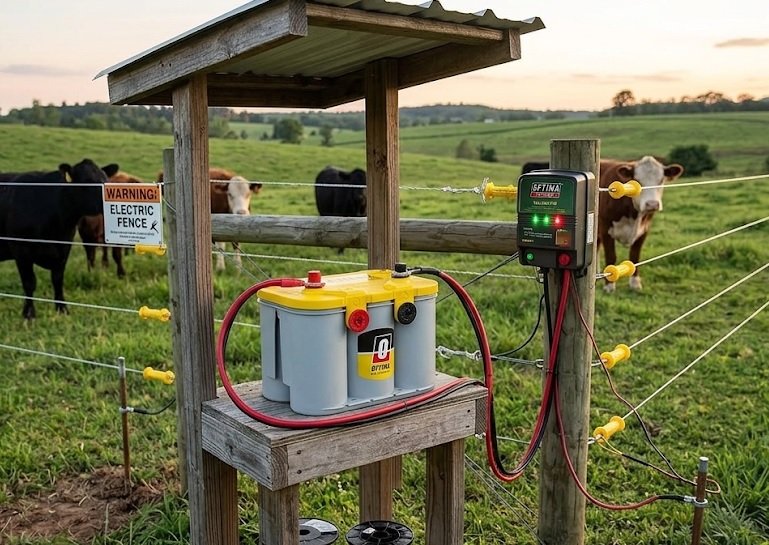
Optima YellowTop YELLOW34/78 – Best AGM Option
The Optima YellowTop YELLOW34/78 is a best option for vehicles needing deep-cycle capability in heat. Its SpiralCell AGM design resists high temperatures and delivers 750 CCA. Ideal for cars with accessories, it offers 120 minutes reserve capacity and reliable performance in demanding hot climates.
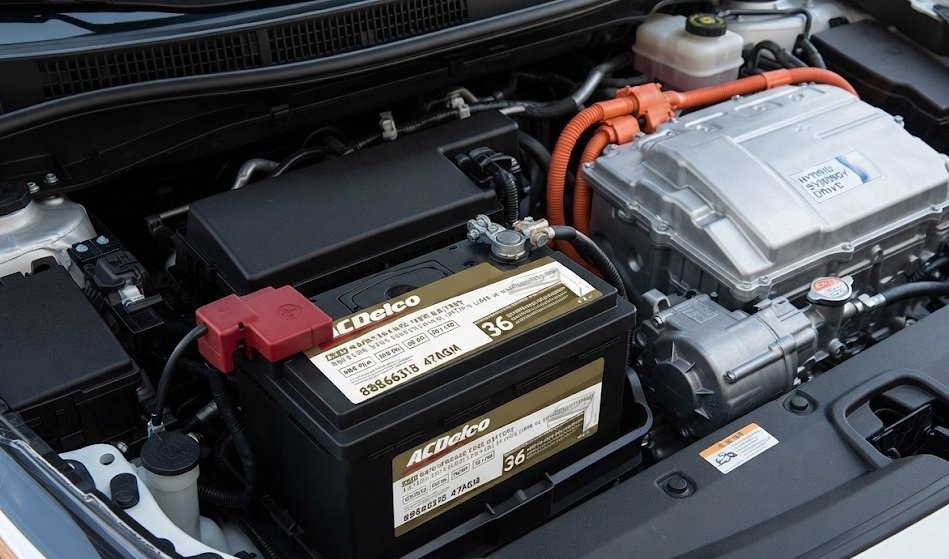
ACDelco Gold 48AGM – Best Value Pick
The ACDelco Gold 48AGM offers strong heat resistance at a friendly price. With 760 CCA, 120-minute reserve capacity, and an AGM construction, it handles high under-hood temperatures well. Its 42-month warranty makes it a solid, budget-conscious choice for hot-weather drivers.
How Hot Weather Damages Car Batteries and What Specs Matter Most
High temperatures accelerate the chemical reactions inside a battery. This speeds up corrosion and water loss, shortening battery life dramatically. Understanding these effects helps you choose a heat-resistant option.
Why Heat Shortens Battery Life
For every 15°F above 77°F, battery life can be cut roughly in half. Heat causes the electrolyte to evaporate and internal grids to corrode. This leads to reduced capacity and sudden failure.
- Water loss: High heat evaporates electrolyte, damaging flooded batteries fastest.
- Grid corrosion: Heat accelerates corrosion of internal lead plates.
- Overcharging: Hot conditions can trigger excessive charging and swelling.
Essential Specs for Hot-Climate Batteries
Not all batteries handle heat equally. Focus on these key specifications when comparing options.
| Spec | Why It Matters in Heat |
|---|---|
| Reserve Capacity (RC) | Higher RC provides backup power under heat stress |
| CCA Rating | Ensures reliable starts despite heat-related capacity loss |
| Battery Type | AGM and EFB resist heat better than flooded types |
| Warranty | 36+ months signals manufacturer confidence in durability |
AGM vs. Flooded Batteries in Hot Climates
AGM batteries are sealed and recombine gases internally, reducing water loss. Flooded batteries cost less but need frequent maintenance in heat.
- AGM: Best heat tolerance, maintenance-free, higher upfront cost.
- EFB: Middle ground, good for start-stop vehicles.
- Flooded: Affordable but shortest lifespan in hot weather.
With these specs in mind, you can now evaluate the best car batteries for hot climates with confidence.
How to Choose and Maintain a Car Battery in Hot Climates
Selecting the right battery is only half the battle. Proper installation and maintenance extend its life significantly in extreme heat. Follow these proven methods to maximize performance.
Step-by-Step Selection Process
Use this simple process to pick the ideal battery for your hot-weather driving needs.
- Check your owner’s manual for the required group size and minimum CCA.
- Choose AGM or EFB if your budget allows for better heat resistance.
- Compare reserve capacity and pick the highest within your price range.
- Verify the warranty covers at least 36 months.
- Confirm fitment including terminal placement and hold-down type.
Maintenance Tips to Beat the Heat
Even the best hot-climate battery needs care. These habits prevent premature failure.
- Test voltage monthly: A healthy battery reads 12.4–12.7 volts at rest.
- Clean terminals: Remove corrosion with a wire brush and baking soda solution.
- Secure the mount: Vibration plus heat accelerates internal damage.
- Park in shade: Reducing under-hood temperatures slows chemical breakdown.
- Avoid short trips: Brief drives don’t let the alternator fully recharge.
Quick Tip
- Heat kills batteries silently, so test yours before summer arrives.
- Replacing a weak battery early prevents costly roadside breakdowns.
When to Replace Your Battery
Hot climates often cut battery life to 2–3 years. Watch for slow cranking, dim lights, or a swollen case.
If your battery is over three years old and shows these signs, replace it before it fails completely.
Installation and Safety Considerations for Hot-Climate Car Batteries
Even the best battery underperforms if installed poorly. Heat amplifies installation mistakes, so attention to detail matters. Follow these guidelines for a safe, durable setup.
Where to Mount Your Battery for Maximum Cooling
Battery placement directly affects how much heat it absorbs. Keep it as far from hot engine components as possible.
- Relocate if feasible: Trunk or cabin mounting dramatically lowers heat exposure.
- Add a heat shield: Insulating wraps reduce radiant heat from exhaust and engine blocks.
- Improve airflow: Ensure vents and covers allow heat to escape.
- Avoid direct sunlight: Park strategically to reduce ambient temperature.
Common Installation Mistakes to Avoid
Poor installation shortens battery life and creates safety hazards. Watch for these frequent errors.
- Loose terminals: Poor connections cause arcing and voltage drops.
- Over-tightening: Excessive torque cracks posts and case seals.
- Wrong group size: Improper fit allows vibration damage in heat.
- Skipping vent tubes: AGM batteries still need proper venting.
- Ignoring charging system: A faulty alternator overcharges and kills batteries fast.
Safety Precautions When Handling Batteries in Heat
Hot batteries pose added risks. Always take these precautions during inspection or replacement.
- Wear eye protection: Electrolyte can splash under pressure.
- Ventilate the area: Heat increases hydrogen gas buildup.
- Disconnect negative first: Prevents accidental short circuits.
- Let it cool: Never handle a battery immediately after driving.
Key Takeaway
- Proper mounting, airflow, and charging system checks prevent heat-related failures.
With correct installation and safety practices, your hot-climate battery will deliver reliable performance for years.
Cost, Warranty, and Long-Term Value in Hot Climates
Price alone doesn’t reveal true value. In hot climates, durability and warranty coverage matter far more. Smart buyers weigh upfront cost against expected lifespan.
Comparing Upfront Cost vs. Lifespan
A cheaper battery that dies in two years costs more than a premium option lasting five. Calculate cost-per-year before deciding.
| Battery Type | Typical Price | Lifespan in Heat | Cost Per Year |
|---|---|---|---|
| Flooded | $100–$150 | 2 years | ~$60 |
| EFB | $150–$200 | 3 years | ~$58 |
| AGM | $180–$300 | 4–5 years | ~$50 |
What to Look for in a Warranty
Warranties vary widely, and heat-related failures are often excluded. Read the fine print carefully.
- Free replacement period: Aim for at least 36 months of full coverage.
- Pro-rated terms: Understand how refunds shrink over time.
- Heat exclusions: Some brands void coverage in extreme climates.
- Labor coverage: Confirm whether installation costs are included.
Maximizing Long-Term Value
Smart habits stretch every dollar you spend on a hot-climate battery.
- Buy from reputable brands with proven heat performance.
- Register your warranty immediately after purchase.
- Keep maintenance records to support future claims.
- Test annually and replace proactively before failure.
Key Takeaway
- AGM batteries often deliver the lowest cost-per-year in hot climates.
- Strong warranties and proactive testing protect your investment.
Balancing cost, warranty, and lifespan ensures you get the best long-term value from your battery.
Regional Factors and Vehicle-Specific Considerations for Hot Climates
Not all hot climates are identical, and your vehicle type matters too. Tailoring your choice to these factors improves performance and lifespan. Consider where you drive and what you drive.
Desert vs. Humid Heat: Does It Matter?
Dry desert heat and humid coastal heat stress batteries differently. Both shorten life, but the failure modes vary.
- Desert heat: Extreme temperatures accelerate water loss and grid corrosion fast.
- Humid heat: Moisture speeds terminal corrosion and case degradation.
- Coastal salt air: Combines with heat to attack terminals and mounts aggressively.
- Mountain altitude: Lower air pressure affects charging and venting behavior.
Matching Batteries to Your Vehicle Type
Different vehicles demand different battery characteristics. Choose based on how you use your car.
| Vehicle Type | Best Battery Choice | Why |
|---|---|---|
| Daily commuter | AGM | Handles frequent starts and heat |
| Start-stop vehicle | EFB or AGM | Supports repeated cycling |
| Off-road/4×4 | AGM deep-cycle | Resists vibration and heat |
| Luxury/electronics-heavy | Premium AGM | Powers many accessories reliably |
Questions to Ask Before Buying
Answering these questions prevents costly mistakes in hot-weather regions.
- What group size does my vehicle require?
- How hot does my engine bay get in summer?
- Do I need deep-cycle capability for accessories?
- Is my charging system compatible with AGM?
- What warranty applies in my climate zone?
Key Takeaway
- Match battery type to your climate and vehicle for optimal heat performance.
Considering regional heat patterns and vehicle demands ensures you pick the right battery the first time.
Warning Signs and Troubleshooting Car Battery Problems in Hot Weather
Hot-weather battery failures rarely happen without warning. Recognizing early symptoms saves you from being stranded. Learn these signs and act quickly.
Early Warning Signs of Heat-Related Battery Failure
Catching these symptoms early prevents sudden breakdowns. Address them before complete failure occurs.
- Slow engine cranking: The starter turns sluggishly, especially when hot.
- Dim headlights: Lights flicker or dim at idle.
- Swollen case: A bulging battery signals internal damage from heat.
- Acidic smell: A rotten-egg odor means electrolyte is overheating.
- Dashboard warning light: The battery icon signals charging issues.
Simple Troubleshooting Steps
Before replacing your battery, run these quick checks to identify the real problem.
- Test voltage: A resting reading below 12.4 volts indicates weakness.
- Check terminals: Clean corrosion that restricts current flow.
- Inspect the alternator: A faulty unit overcharges and cooks batteries.
- Look for swelling: A deformed case means immediate replacement.
- Load test: Auto parts stores offer free load testing.
When to Replace vs. Repair
Not every issue requires a new battery. Distinguish between fixable problems and terminal failures.
| Symptom | Likely Cause | Action |
|---|---|---|
| Corroded terminals | Moisture and heat | Clean and reconnect |
| Low voltage | Weak charge | Recharge and retest |
| Swollen case | Internal heat damage | Replace immediately |
| Repeated failures | Alternator fault | Inspect charging system |
Key Takeaway
- Swollen cases and acidic smells demand immediate replacement.
- Always rule out alternator faults before buying a new battery.
Acting on these warning signs keeps your vehicle reliable through the hottest months.
Expert Tips for Extending Car Battery Life in Extreme Heat
Small habits deliver big gains when temperatures soar. These expert-recommended practices help your battery survive brutal summers. Apply them consistently for maximum lifespan.
Daily and Seasonal Habits That Help
Consistent care prevents the slow damage heat causes over time. Build these habits into your routine.
- Park in shade or garages: Lower ambient temperatures slow chemical breakdown.
- Use a battery tender: Maintains optimal charge during infrequent driving.
- Avoid short trips: Give the alternator time to fully recharge the battery.
- Turn off accessories first: Reduce load before shutting down the engine.
- Schedule summer checkups: Test voltage and connections before peak heat.
Smart Charging Practices for Hot Weather
Improper charging accelerates heat damage. Follow these practices to protect your investment.
- Use a smart charger: Prevents overcharging that cooks batteries.
- Charge when cool: Avoid charging immediately after long drives.
- Verify alternator output: Keep voltage between 13.7 and 14.7 volts.
- Never overcharge: Excess current causes gassing and water loss.
- Store properly: Keep spare batteries cool and partially charged.
Products That Boost Battery Longevity
These affordable accessories extend battery life in hot climates.
| Product | Benefit | Best For |
|---|---|---|
| Battery tender | Maintains optimal charge | Infrequent drivers |
| Heat shield wrap | Blocks radiant engine heat | Hot engine bays |
| Terminal protectant | Prevents corrosion | Humid climates |
| Voltage monitor | Early warning of issues | All vehicles |
Key Takeaway
- Shade, smart charging, and heat shields dramatically extend battery life.
- Affordable accessories prevent costly premature replacements.
These expert tips turn a fragile hot-climate battery into a durable, long-lasting performer.
Conclusion: Choosing the Best Car Battery for Hot Climates
Heat is a battery’s worst enemy, but the right choice defeats it. Prioritize AGM construction, high reserve capacity, and strong warranties for lasting performance.
Remember, proactive maintenance beats reactive replacement. Test voltage monthly, clean terminals, and park in shade whenever possible.
Ready to upgrade? Compare the recommended models above and pick the battery that matches your climate and vehicle.
With the right battery and smart habits, you’ll enjoy reliable starts for years to come.
Frequently Asked Questions About Car Batteries for Hot Climates
What is the best car battery type for hot climates?
AGM (Absorbent Glass Mat) batteries are the best choice for hot climates. They resist heat damage better than flooded batteries because their sealed design reduces water loss.
EFB batteries offer a solid middle ground for start-stop vehicles. Standard flooded batteries cost less but typically fail faster in extreme heat.
How long do car batteries last in hot weather?
In hot climates, car batteries typically last 2–3 years, compared to 4–5 years in cooler regions. Heat accelerates corrosion and electrolyte evaporation.
Batteries in desert areas may fail even sooner. Testing voltage monthly helps you catch decline early and replace before sudden failure.
Why does heat kill car batteries faster than cold?
Heat speeds up the chemical reactions inside a battery, causing internal grids to corrode and electrolyte to evaporate. For every 15°F above 77°F, battery life can drop by roughly half.
Cold slows reactions and temporarily reduces power, but heat causes permanent, cumulative damage that shortens overall lifespan significantly.
How can I tell if my car battery is damaged by heat?
Watch for slow engine cranking, dim headlights, a swollen battery case, or a rotten-egg smell. These signs indicate heat-related internal damage.
A swollen or leaking battery requires immediate replacement. Never attempt to recharge a deformed battery, as it poses serious safety risks.
Is it worth buying an AGM battery for a hot climate?
Yes, AGM batteries are worth the higher upfront cost in hot climates. Their longer lifespan often results in a lower cost-per-year than cheaper flooded batteries.
They also require less maintenance and handle vibration better. For most hot-weather drivers, AGM delivers the best long-term value.
How do I maintain my car battery in extreme heat?
Park in shade, test voltage monthly, and clean terminals regularly. Keep connections tight and avoid short trips that prevent full recharging.
Consider a battery tender for infrequent driving and a heat shield for hot engine bays. These habits can extend battery life by a year or more.
Which is better for hot climates: AGM or EFB?
AGM outperforms EFB in extreme heat due to superior heat tolerance and durability. However, EFB costs less and works well for standard start-stop systems.
Choose AGM for desert conditions or high electrical demands. Pick EFB if your budget is tighter and heat exposure is moderate.
What should I do if my battery dies suddenly in summer?
Check for loose or corroded terminals first, as these often cause sudden failures. Test the voltage; readings below 12.4 volts indicate a weak battery.
If the case is swollen or the battery is over three years old, replace it. Also inspect the alternator to rule out charging system faults.